Yazılar

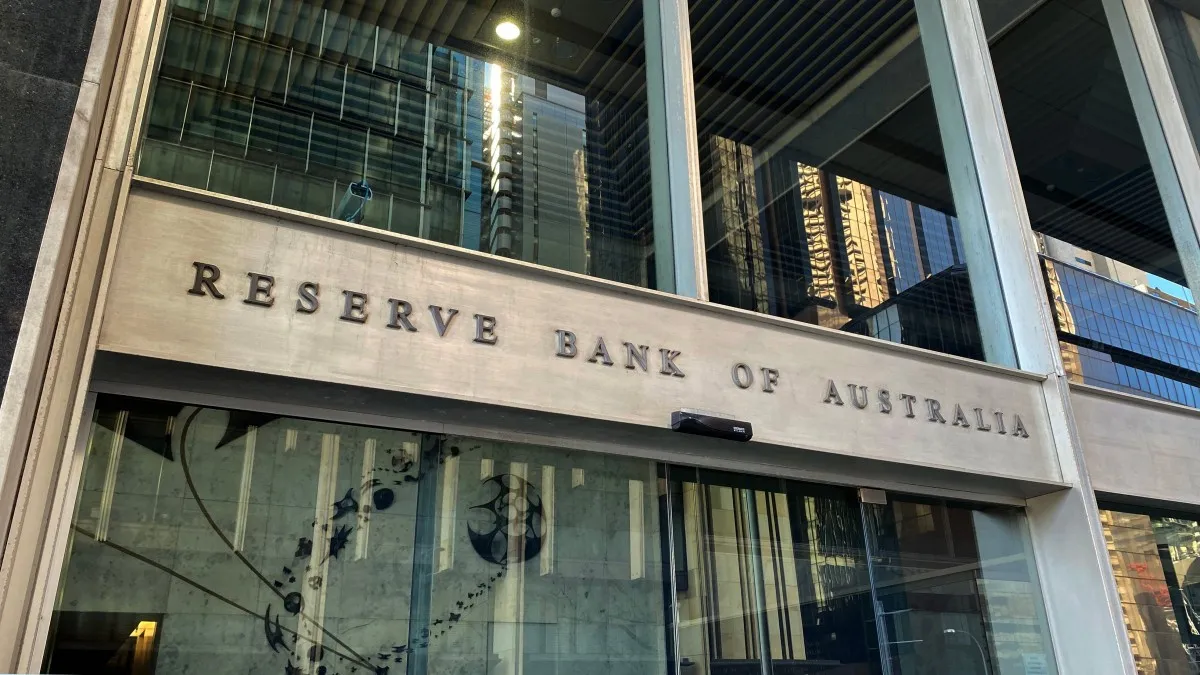
Reserve Bank of Australia Adopts Dovish Stance, Shocking Markets

In its final meeting of 2024, the Reserve Bank of Australia (RBA) decided to leave interest rates unchanged, signaling a shift towards a more dovish approach. The central bank noted that it was gaining “some confidence” that inflation was gradually moving back toward its target, easing previous concerns about the need for further tightening.

Following the announcement, the Australian dollar dropped 0.8%, falling to $0.6380, while three-year bond futures surged, reaching their highest point since October. Market expectations now indicate a potential rate cut in February, with a full rate easing priced in by April.

The RBA maintained its cash rate at 4.35%, the level it has held throughout 2024. The statement issued by the central bank notably omitted previous language about keeping policy restrictive, further suggesting a shift in tone. Governor Michele Bullock had previously stated that inflation remained too high for a near-term rate cut, but the latest statement highlighted confidence that inflation was trending back toward the target band of 2-3%.

While the RBA’s policy stance has remained unchanged for over a year, with the current rate being significantly higher than the pandemic-era 0.1%, there are signs of economic slowdowns. Weak third-quarter growth data, a lack of expected consumer spending rebound, and soft business conditions — as reflected in a National Australia Bank survey — suggest the economy is not picking up pace as anticipated.

Markets had anticipated a potential dovish pivot after these economic indicators, raising questions about future rate cuts in the first quarter of 2025.

China’s Bond Market Hits Historic Low as 10-Year Yield Falls Below 2%

China’s 10-year government bond yield fell below 2% on Monday, reaching a historic low of 1.975%. This milestone highlights the impact of a sluggish economy, sustained investor demand for bonds, and expectations of further rate cuts by the People’s Bank of China (PBOC). The decline in yield reflects the growing appeal of safer assets amid China’s economic uncertainties.

Key Drivers of the Rally

The decade-long rally in China’s bond market accelerated over the past two years due to several factors:

  1. Economic Slowdown: Weak growth, particularly in the property sector, has dampened risk appetite.
  2. Low Deposit Rates: The recent ban on offering preferential deposit rates underscores the low-rate environment.
  3. Investor Appetite: Funds and institutions remain under-allocated to bonds, prompting increased purchases, especially by insurance companies anticipating allocations ahead of the new year.

Morgan Stanley analysts predict continued bond market strength, citing expectations of a 40 basis point (bps) cut in China’s policy rate by the end of Q1 2024.

Comparative Yield Dynamics

China’s bond yields now significantly trail those of U.S. Treasuries. The 10-year Chinese bond offers 222 bps less than its U.S. counterpart, marking the largest gap since the early 2000s. This inversion reflects China’s weaker economic performance compared to the U.S. post-pandemic.

Additionally, China’s 30-year bond yield fell 4 bps to 2.16%, while 10-year treasury futures, which move inversely to yields, rose 0.4% to a record closing high.

PBOC Measures and Policy Impact

The PBOC has implemented policies aimed at reducing rates, including:

  • Aligning deposit rates for non-bank institutions with the 7-day reverse repo rate of 1.5%.
  • Injecting liquidity into the market, such as 800 billion yuan in 3-month reverse repos in November.

These measures lower short-term rates and contribute to the downward trend in long-term yields. For instance, one-year AAA-rated negotiable certificates of deposit (NCDs) fell 10 bps on Monday to below 1.7%.

Outlook for 2024

Analysts expect China’s 10-year yield to decline further, potentially reaching the 1.7%-1.9% range next year. Loose monetary policy and supportive funding conditions will likely sustain the bond rally.

Implications

While the bond market’s performance signals robust investor confidence in fixed-income securities, it also reflects deeper concerns about China’s economic trajectory. Policies aimed at preventing a hard landing may keep yields low, but the challenges of spurring growth remain.


Indian Central Bank Likely to Delay Rate Cuts to 2025 Amid Inflation Concerns

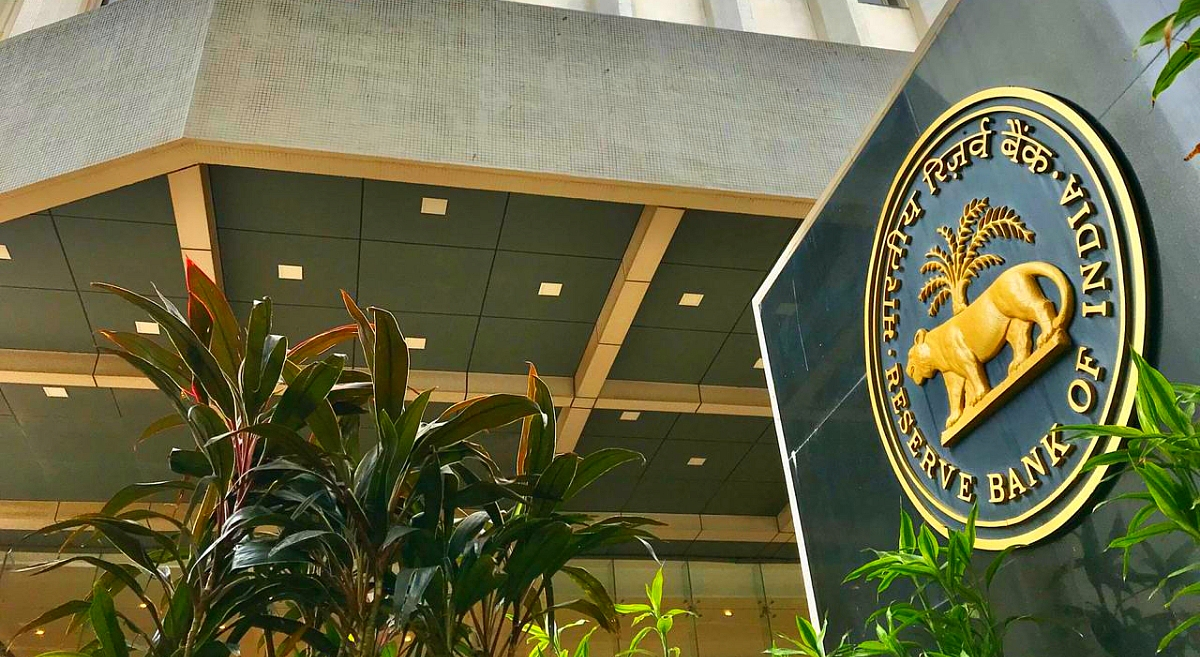
The Reserve Bank of India (RBI) is expected to keep its key repo rate at 6.50% during its December 4-6 meeting, according to a Reuters poll conducted from November 18-27. The move comes as surging inflation, fueled by rising food prices, has delayed forecasts for the central bank’s first rate cut in this cycle to February 2025, rather than December 2024 as previously anticipated.

Inflationary Pressures and RBI Stance

Annual retail inflation exceeded the RBI’s 6% tolerance threshold in October, driven by escalating food prices. Despite shifting its monetary policy stance to ‘neutral’ in October, the central bank remains cautious. Governor Shaktikanta Das has emphasized the risks of prematurely lowering rates, signaling a more conservative approach.

Of the 67 economists surveyed, 62 predicted no change in rates in December, while five expected a 25-basis-point (bp) cut. This marks a shift from last month’s poll, where a slight majority anticipated a cut to 6.25%.

“Governor Das has been one of the more hawkish voices on the Monetary Policy Committee. His extension could mean continued caution on rate cuts,” noted Shilan Shah, deputy chief emerging markets economist at Capital Economics.

Easing Cycle Delayed

The survey indicated a growing consensus that the RBI would initiate its easing cycle later, with 21 of 48 economists revising their forecasts from December to February or later. Median projections show the repo rate falling to 6.00% by June 2025, with no further cuts expected until early 2026.

Pranjul Bhandari, HSBC’s chief India economist, remarked, “RBI officials appear less inclined to dismiss spikes in vegetable price inflation and may opt to wait until February or April to ease rates.”

Global and Domestic Economic Impacts

The RBI’s cautious approach contrasts with other major central banks like the U.S. Federal Reserve, which is expected to continue cutting rates in 2025. Factors such as expansionary U.S. fiscal policies and potential tariff increases under President-elect Donald Trump’s administration could influence global monetary trends and limit rate cuts for emerging markets like India.

Domestically, India’s economic growth is projected to slow to 6.8% in the current fiscal year and 6.6% in the next, a decline from over 8% in FY 2023/24. Some economists warn that weaker-than-expected growth could pose downside risks to terminal rate forecasts.

“The interplay between global and domestic conditions will shape the pace and extent of rate cuts in the coming years,” said Gaura Sengupta, chief economist at IDFC Bank.