
Yazılar

At US Request, India Arrests Crypto Administrator Accused of Money Laundering

Indian authorities arrested Aleksej Besciokov, a cryptocurrency exchange administrator, at the request of U.S. authorities. Besciokov, who is accused of being involved in a money laundering conspiracy and violating sanctions, was arrested in Kerala, India, by the Central Bureau of Investigation (CBI). The arrest comes after the U.S. Justice Department charged him with money laundering and operating an unlicensed money-transmitting business, among other violations.

Besciokov is linked to the Russian cryptocurrency exchange Garantex, which was dismantled by the U.S., Germany, and Finland. The U.S. Justice Department revealed that Garantex had facilitated over $96 billion in cryptocurrency transactions since April 2019. The U.S. had sanctioned the exchange in April 2022 due to its involvement in illicit financial activities.

The CBI confirmed that Besciokov had planned to flee India, though it remains unclear why he was in the country. A provisional arrest warrant was issued by India’s foreign ministry at the U.S. request, and Washington is now expected to pursue Besciokov’s extradition.

The takedown of Garantex is seen as a significant move in the fight against illicit finance, according to TRM Labs, a blockchain research company. However, they warned that sanctioned exchanges may create new entities to evade restrictions, suggesting that the battle against illegal financial activity is far from over.

Brazil May Revise Fintech Reporting Rules Over Money Laundering Risks

Brazil’s tax revenue agency is expected to revisit discussions on requiring financial technology companies to report transaction values amid concerns over money laundering, agency head Robinson Barreirinhas said on Tuesday.

Speaking at a Senate hearing, Barreirinhas highlighted strong evidence that lesser-known payment institutions are being exploited for illicit financial activities. The government had initially planned to extend transaction-tracking requirements to fintechs but suspended the measure last year following public backlash.

“I don’t want to demonize fintechs … but the truth is that many end up being used (for illicit transactions) due to the ease of opening accounts,” Barreirinhas stated, emphasizing the need for stricter regulations on account openings.

In September, Brazil’s tax agency issued a rule mandating fintechs to report transactions—including those made via the widely used Pix instant payment system—aligning their reporting obligations with traditional banks. However, opposition to President Luiz Inácio Lula da Silva framed the measure as an effort to impose new taxes on workers, leading the administration to suspend the rule in January after a sharp decline in Lula’s approval ratings.

Barreirinhas also voiced concerns about organized crime financing in Brazil, citing illicit trade in smuggled cigarettes, e-cigarettes, cryptocurrencies, and online betting as key issues requiring regulatory attention.

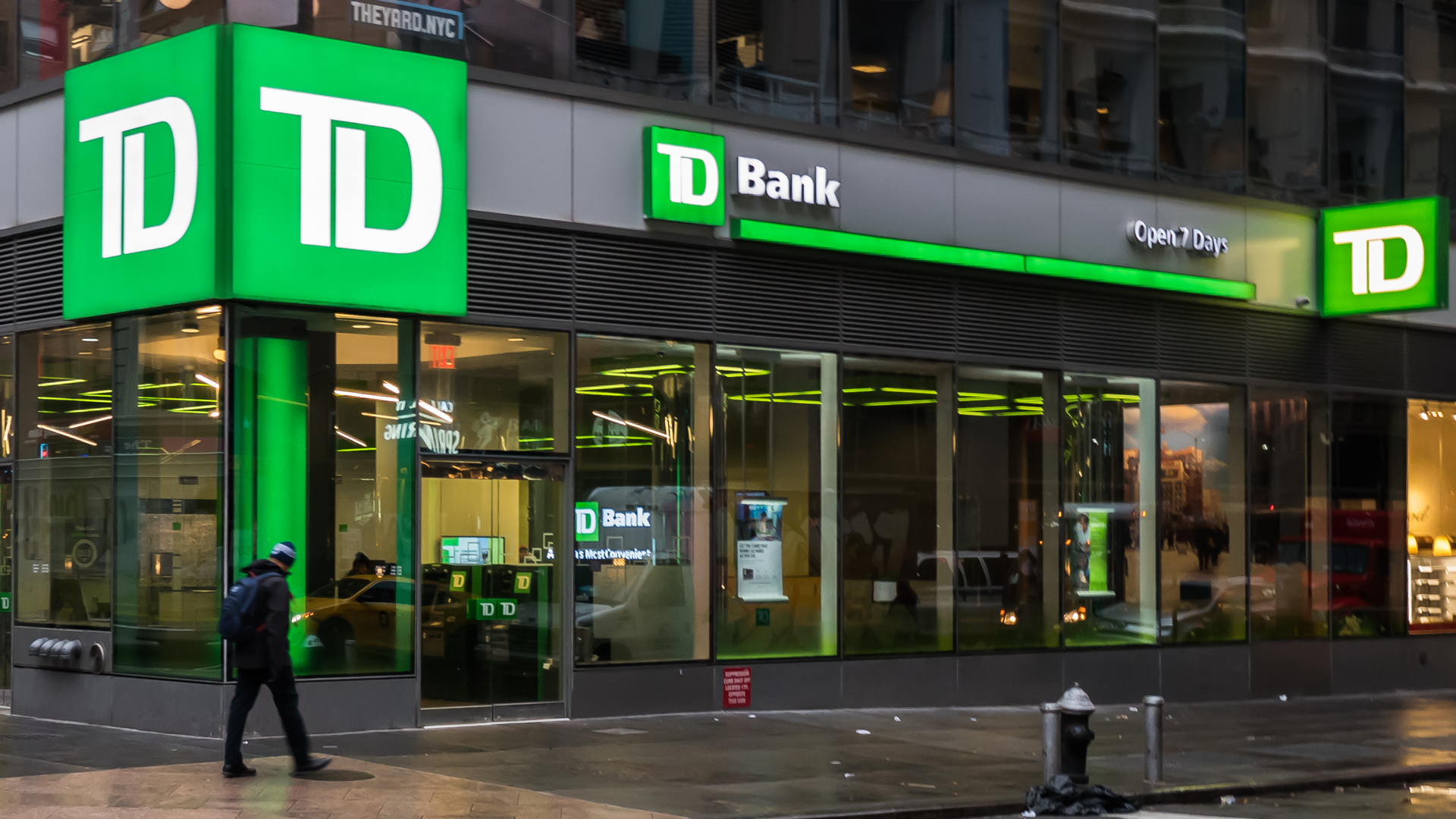
TD Bank Appoints Georgia Stavridis to Strengthen Financial Crimes Oversight

TD Bank has appointed Georgia Stavridis as vice president of financial crimes risk management, a newly created role aimed at bolstering the institution’s compliance measures, according to three sources familiar with the matter. Stavridis, who previously served as HSBC Bank Canada’s chief compliance officer in 2020, joined Royal Bank of Canada (RBC) earlier this year after its $10 billion acquisition of HSBC’s Canadian operations.

In her new position, Stavridis will oversee strategy, performance, and results for TD’s Canadian financial intelligence unit, reflecting the bank’s commitment to enhancing its compliance and risk management programs.

This appointment follows TD Bank’s recent legal challenges. In October, TD became the largest U.S. bank in history to plead guilty to violating anti-money laundering laws, resulting in over $3 billion in penalties. As part of its remedial measures, TD has aggressively recruited top talent for its compliance and risk teams. These include Herb Mazariegos, previously with BMO, as its chief global anti-money-laundering officer, and several former officials from the FBI, U.S. Department of Homeland Security, and Citi.

Stavridis’ prior experience will be critical in navigating TD’s ongoing compliance transformation. HSBC Bank Canada, where she was previously chief compliance officer, faced its own regulatory challenges in 2013 when its parent company, HSBC Holdings Plc, paid $1.92 billion in fines for breaching anti-money-laundering and sanctions regulations in the U.S.

RBC has seen multiple departures from HSBC executives following the expiration of a six-month retention guarantee post-acquisition. This trend reflects a broader reshuffling of talent in the Canadian banking sector as institutions focus on strengthening regulatory compliance and financial crime prevention.