Musk’s Victory in India’s Satellite Spectrum Raises Possibility of Price War with Ambani
Elon Musk has gained an important victory in India’s satellite spectrum debate, potentially setting the stage for a pricing war with Mukesh Ambani, Asia’s wealthiest man. Following a decision by the Indian government, the country will allocate spectrum for satellite broadband through administrative means rather than the auction process Ambani’s Reliance Jio had been pushing for. Musk, who had publicly criticized the auction route as “unprecedented,” now has a clearer path to launching Starlink’s satellite internet services in India.
Musk’s SpaceX unit, Starlink, has a vast network of 6,400 active satellites providing low-latency broadband to 4 million customers globally. While Starlink has long expressed interest in entering India’s market, regulatory barriers have slowed progress. On the other hand, Ambani’s Reliance Jio, the largest telecom provider in India, had lobbied for spectrum auctions, seeking a “balanced competitive landscape” that would have demanded heavy investments from foreign players like Starlink.
The Indian government’s recent decision removes one of the hurdles for Starlink, allowing it to apply for necessary permits and potentially launch services soon. This marks the beginning of what could be a new battleground between Musk and Ambani, especially over pricing. Starlink’s entry could disrupt India’s broadband market, which has been dominated by Reliance Jio. After spending $19 billion in airwave auctions, Reliance now faces the risk of losing broadband customers to Starlink, and perhaps even data and voice customers as technology advances, according to sources familiar with the situation.
Globally, spectrum allocation through administrative processes has become the norm, with India following this trend. Starlink has already submitted its application for necessary permits, and industry experts foresee Starlink’s aggressive pricing tactics becoming a key factor in this competition. Tim Farrar, a satellite industry analyst, pointed out that Starlink can offer more competitive prices since it doesn’t need to launch new satellites, while Reliance Jio relies on its partnership with Luxembourg-based SES Astra, which operates just 38 satellites.
This isn’t the first time Musk has aggressively undercut prices in new markets. In Kenya, Starlink priced its services at just $10 per month, compared to the $120 per month it charges in the United States. This move sparked complaints from local provider Safaricom, which argued that satellite operators like Starlink should be required to partner with mobile networks. Similar concerns may arise in India as Starlink enters the broadband market.
In India, Reliance Jio currently offers fiber-based broadband at $10 per month, with free routers for long-term plans. Starlink’s strategy, according to industry insiders, involves initially targeting corporate clients with unlimited internet data plans. Starlink’s technology is also poised to reach remote areas, including the 25,000 Indian villages that still lack internet connectivity, making it an appealing option for underserved regions.
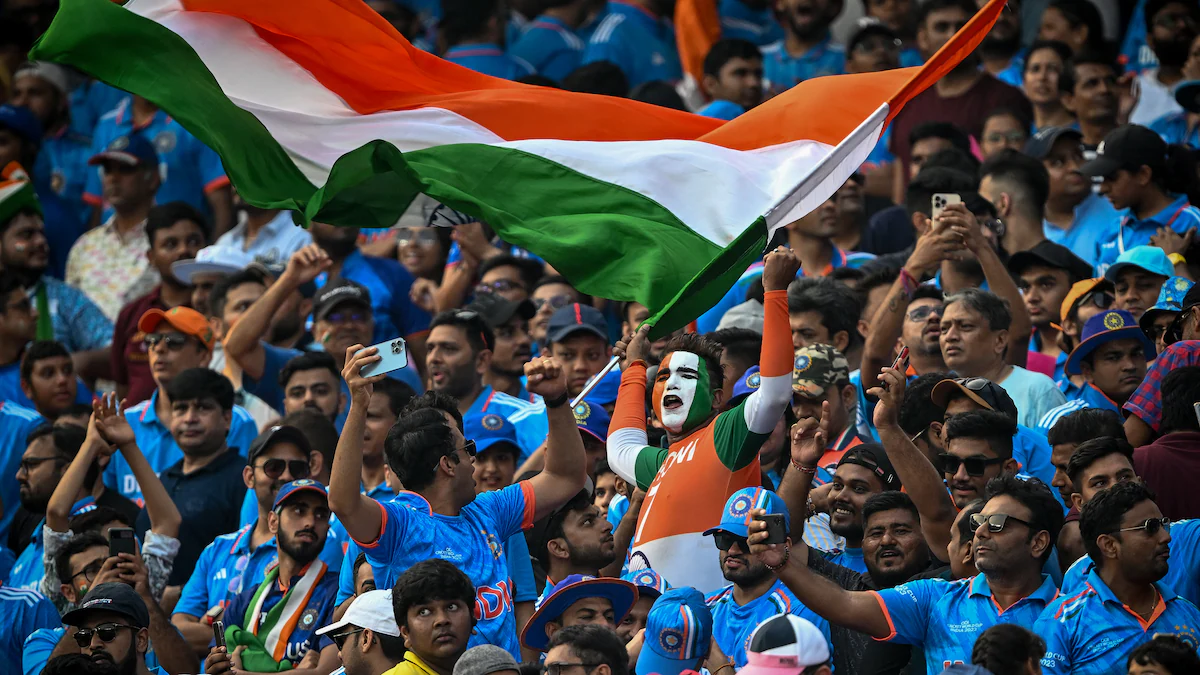
India, with 42 million wired broadband users and 904 million telecom users, is the world’s second-largest telecom market. Internet penetration, though growing, still stands at just over 52% as of early 2024, highlighting the potential for further expansion in both rural and urban areas. Starlink’s ability to deliver high-speed internet to remote areas could prove to be a game-changer, particularly in regions where fiber-optic infrastructure is lacking.
Musk has publicly stated that Starlink could be instrumental in providing internet to underserved parts of India. With plans to launch hundreds of additional satellites to enable “direct to cell” voice and data services in the coming years, Starlink’s ambitions extend beyond traditional broadband.
While some industry experts, like Gareth Owen from Counterpoint, believe the fears surrounding Starlink may be overblown—arguing that terrestrial networks will always be cheaper—the rivalry between Musk and Ambani is intensifying. Musk has even taken to social media to joke about the situation, suggesting he would call Ambani to ask if Starlink could compete fairly in India’s internet market.