Should There Be a Ban on Teenage Popstars? A Discussion on Industry Responsibility Following Liam Payne’s Death
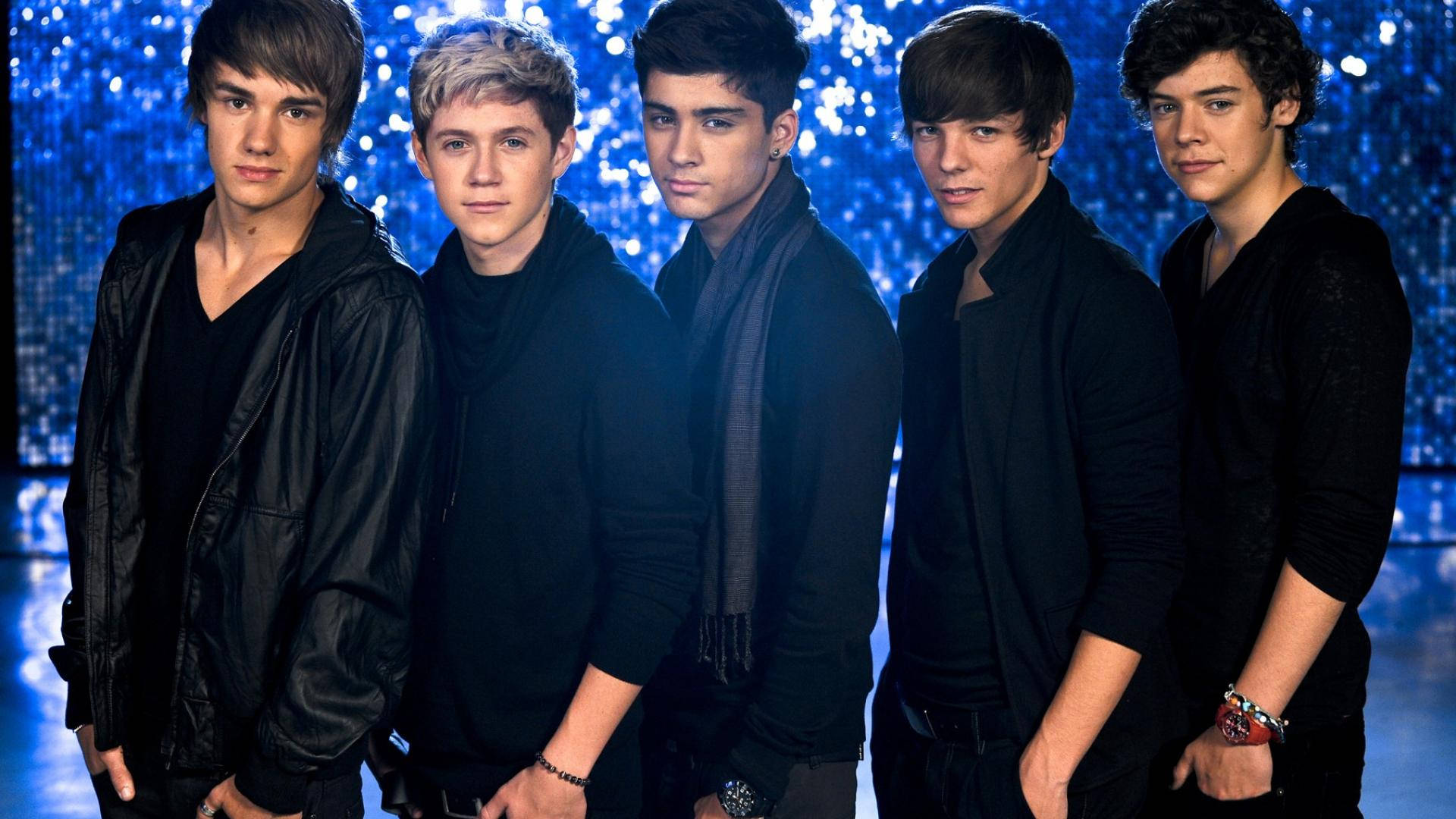
As the music world mourns the death of Liam Payne, former One Direction member, discussions surrounding the duty of care for young artists have intensified. Payne’s tragic story, marked by fame at 16 and struggles with addiction, underscores a pressing issue: should there be a ban on teenage popstars to protect their mental health?
On October 16, the news of Payne’s passing at 31 sparked conversations about the challenges faced by young musicians thrust into the spotlight. Payne had openly shared his experiences of anxiety and substance abuse, revealing how the relentless public scrutiny affected his mental well-being. “It’s mainly mentally where you struggle with it,” he expressed in a 2019 interview, highlighting the toll of constant visibility.
The parallels drawn between Payne’s experiences and those of other artists, such as Robbie Williams and Amy Winehouse, illustrate a troubling pattern. Williams, who joined Take That at 16, faced panic attacks and addiction issues, while Winehouse struggled with intense media scrutiny and addiction, ultimately leading to her untimely death at 27. These stories raise the question: is the music industry equipped to protect its youngest talents?
In the wake of Payne’s death, songwriter Guy Chambers suggested an outright ban on under-18s in pop music. He argued that placing minors in an adult environment can be detrimental to their development. Chambers reflected on his observations of the industry’s lack of protective measures for young stars, stating, “I don’t see much sign of change… putting a 16-year-old in an adult world like that is potentially really damaging.”
While the proposal for a ban raises significant concerns, it also invites skepticism about feasibility. Chris Herbert, a former pop manager, pointed out the challenges of implementing such a restriction in an industry that thrives on youth appeal. “There will always be a young market who want artists who are relatable,” he noted, advocating instead for enhanced education and support for young performers.
Psychologist Dr. Adi Jaffe emphasized the vulnerability of young artists, stating, “We run them through a heavily incentivised capitalistic system… Many artists struggle and are caught in that same machine.” The demanding schedules and pressures to perform can lead to unhealthy coping mechanisms, as seen with numerous artists who have succumbed to addiction and mental health issues.
Existing child performance laws in the UK protect children up to 16, but once they reach school-leaving age, they are left without safeguards. This gap leaves 16- and 17-year-olds at risk, as the onus falls on their management teams and families to ensure their well-being. Ed Magee from the National Network for Children in Employment and Entertainment emphasized the need for proper support structures around young artists.
Advocates like Jaffe call for a re-evaluation of how the industry operates, suggesting that young artists be empowered to establish their own boundaries and access aftercare as they transition back to normalcy after fame. Lily Allen echoed this sentiment in her podcast, highlighting the profit-driven nature of the industry, where artists often lack the protections afforded to employees.
Ultimately, the debate over banning teenage popstars raises important questions about the music industry’s responsibility to its youngest members. While some argue that a ban might protect vulnerable youth, others stress the need for systemic changes that prioritize mental health support and education. As Herbert poignantly stated, “The music industry is littered with casualties,” and it remains to be seen if meaningful reforms will be enacted to safeguard future generations of artists.