Yazılar

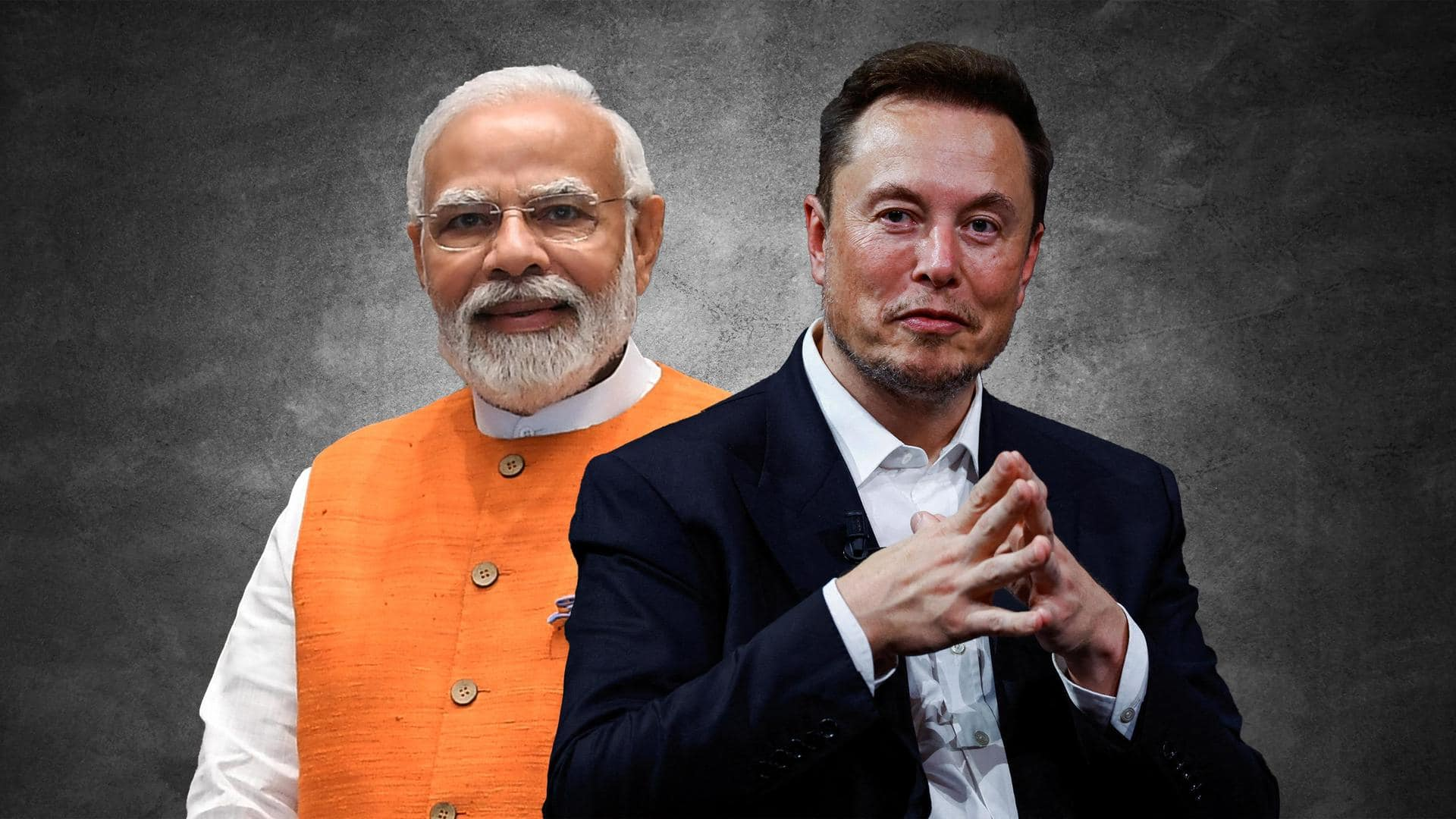
Musk vs. Modi: Inside the Battle Over India’s Expanding Internet Censorship

Since 2023, India under Prime Minister Narendra Modi has significantly tightened its internet censorship, empowering hundreds of officials and thousands of police officers to submit direct takedown orders to social media platforms via a government portal called Sahyog. This has sparked a high-stakes legal battle between Elon Musk’s social media platform X (formerly Twitter) and the Indian government, challenging the constitutionality of these sweeping censorship measures.

X alleges the crackdown suppresses free speech by enabling arbitrary removal of posts critical of public officials, satire, or politically sensitive content, while Indian authorities argue the moves are necessary to combat unlawful content and maintain public order. The government points out that major tech firms like Meta and Google support its approach, though both declined to comment on this specific dispute.

Court documents and police interviews reviewed by Reuters reveal a system where thousands of takedown requests have targeted a broad range of content, from misinformation and communal tensions to political cartoons mocking Modi and regional leaders, and even news coverage of a deadly stampede at New Delhi’s largest railway station. Many posts remain online, highlighting friction over what content crosses the line.

The case has also spotlighted the controversial Sahyog website, which X calls a “censorship portal,” refusing to participate and filing suit against the government. The platform’s challenge in the Karnataka High Court centers on whether the government can delegate broad censorship powers to multiple agencies without transparent, judicial oversight.

Despite the legal conflict, Musk and Modi maintain a publicly amicable relationship, with Musk praising India’s potential and planning to expand Tesla and Starlink operations there. However, behind the scenes, Indian police officers have criticized X for failing to act on cultural sensitivities and takedown requests, with some content considered offensive or taboo in the Indian context.

This clash highlights the global tension between free speech ideals and governments’ desire to control online content, intensified in India—the world’s largest internet market—where digital censorship has grown rapidly under Modi’s administration.
India Approves $435 Million HCL-Foxconn Semiconductor Plant Near Jewar Airport

India’s federal cabinet has approved a new 37.06 billion ($435 million) semiconductor plant — a joint venture between HCL Group and Taiwan’s Foxconnas part of the India Semiconductor Mission, Information Minister Ashwini Vaishnaw announced on Wednesday.

The plant will be built near Jewar airport in Uttar Pradesh, and is expected to have a monthly capacity of 20,000 wafers, enabling the production of 36 million display driver chips annually. The facility will begin commercial production in 2027, becoming the sixth project approved under India’s national semiconductor initiative.

This marks another significant step in our journey to build a robust semiconductor ecosystem in India,” Vaishnaw said at the cabinet briefing in New Delhi.

A Strategic Push Toward Chip Self-Sufficiency

Prime Minister Narendra Modi has made semiconductor manufacturing a key pillar of India’s economic growth strategy, aiming to turn the country into a global electronics manufacturing hub. Despite heavy investments and multiple proposals, India currently has no operational chip fabrication facility.

Mixed Results in India’s Semiconductor Drive

The HCL-Foxconn announcement comes amid a series of starts and stalls in India’s semiconductor ambitions:

  • Adani Group recently paused talks with Israel’s Tower Semiconductor on a $10 billion chip project, after internal concerns about commercial demand.

  • A $19.5 billion joint venture between Foxconn and Vedanta collapsed in 2023 due to cost overruns and delays in receiving government incentives.

  • Still, progress continues with other ventures:

    • Tata Group is moving ahead with an $11 billion chip fabrication and testing facility.

    • Micron Technology (U.S.) is developing a $2.7 billion chip packaging plant in India.

Industry Implications

The HCL-Foxconn facility’s focus on display driver chipscritical components for screens in smartphones, tablets, and TVs—comes at a time when global supply chains are realigning away from dependence on China and Taiwan.

By 2027, the new plant could help fill both domestic and export demand for mid-range semiconductor components, while adding momentum to India’s long-term goal of building a self-reliant semiconductor ecosystem.

LG and Samsung Take Legal Action Against Indian Government Over E-Waste Pricing Rules

LG and Samsung Challenge India’s E-Waste Policy in Court Over Pricing Dispute

South Korean electronics giants LG and Samsung have filed legal petitions against the Indian government, seeking to overturn a policy that mandates higher payouts to electronic-waste recyclers. The companies argue that the pricing regulation poses a threat to their business operations in the country. The lawsuits are part of a broader wave of legal challenges from major players in the industry who say the new rules, though environmentally motivated, could create an undue financial burden.

The cases are scheduled to be heard on Tuesday, along with other petitions filed by corporations facing similar concerns. This legal action signals a growing conflict between global manufacturers and the administration of Prime Minister Narendra Modi over India’s tightening environmental standards. While the government aims to bring structure and accountability to its waste management systems, companies fear rising compliance costs and supply chain disruptions.

India is currently the world’s third-largest generator of e-waste, following China and the United States. However, only about 43 percent of the country’s e-waste was formally recycled last year, according to government data. The sector remains largely unregulated, with informal scrap dealers handling roughly 80 percent of the processing. In response, the government introduced a policy to establish a minimum floor price to encourage formalization and investment in the recycling industry.

Despite earlier lobbying efforts, LG and Samsung now join other firms such as Daikin, Havells, and Voltas in taking legal action. The government maintains that the pricing mandate is essential for building a sustainable and efficient e-waste ecosystem, but the companies remain firm in their stance that the regulation is impractical and damaging to business. As the legal battle unfolds, the outcome could shape the future of India’s e-waste policy and its relationship with foreign manufacturers.