Yazılar

SpaceX Set to Launch Two Private Lunar Landers in January 2025

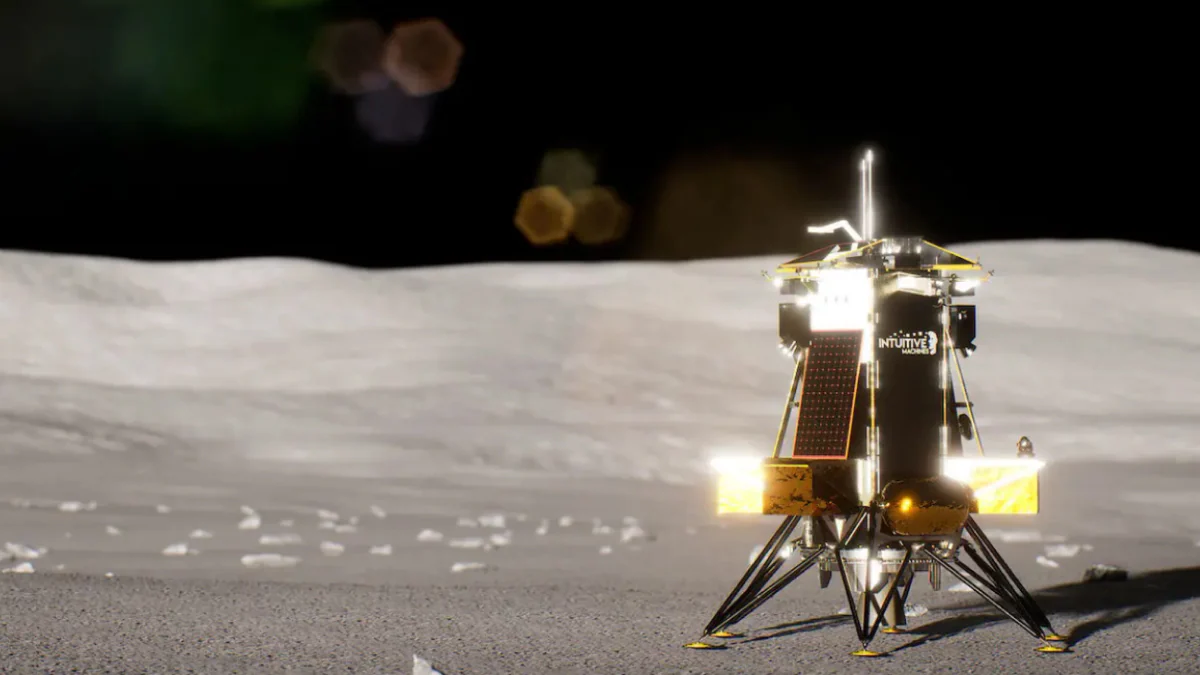
SpaceX is preparing for an exciting mission in January 2025 that will see the launch of two private lunar landers aboard the same Falcon 9 rocket. Firefly Aerospace, an American space company, and ispace, a Japanese aerospace firm, have teamed up for this groundbreaking lunar exploration mission. The rocket, slated for liftoff from Florida’s Space Coast, will carry the two landers on separate trajectories to the Moon. This collaboration between companies from different countries reflects the growing global interest in lunar exploration and the utilization of private companies to advance space research.

The first lander, named ‘Resilience,’ is being deployed by ispace as part of its Mission 2. It is set to land on Mare Frigoris, a region of the Moon known as the “Sea of Cold,” located at 60.5 degrees north of the lunar equator. This mission is particularly significant following the failure of ispace’s previous attempt with the Hakuto-R lander in April 2023, which was halted due to a sensor malfunction. The Resilience lander will carry several experimental payloads, including a water electrolyser, a food-production module, and a microrover named ‘Tenacious.’ Tenacious is expected to collect lunar soil as part of a NASA contract. Resilience will follow a low-energy trajectory to the Moon, with the expected landing occurring four to five months after the January launch.

Firefly Aerospace’s contribution to the mission comes in the form of its ‘Blue Ghost’ lander, which will target Mare Crisium, located 17 degrees north of the lunar equator. The Blue Ghost lander will operate for a full lunar day, which lasts about 14 Earth days, before conducting imaging tasks as the Sun sets over the lunar horizon. This mission is part of NASA’s Commercial Lunar Payload Services (CLPS) program, designed to bring innovative technologies and scientific tools to the Moon. Firefly’s Blue Ghost will deliver a suite of science instruments and tech demonstrations, furthering the reach of private space exploration.

Together, these missions represent a significant leap in lunar exploration, with the combined efforts of Firefly Aerospace and ispace marking a new era of international cooperation and technological advancement. With NASA backing both missions through its CLPS program, the dual launch aims to pave the way for future lunar endeavors, providing valuable data that will be instrumental for humanity’s return to the Moon and beyond.
NASA Discovers Black Hole Spinning at Surprising Angle in NGC 5084 Galaxy

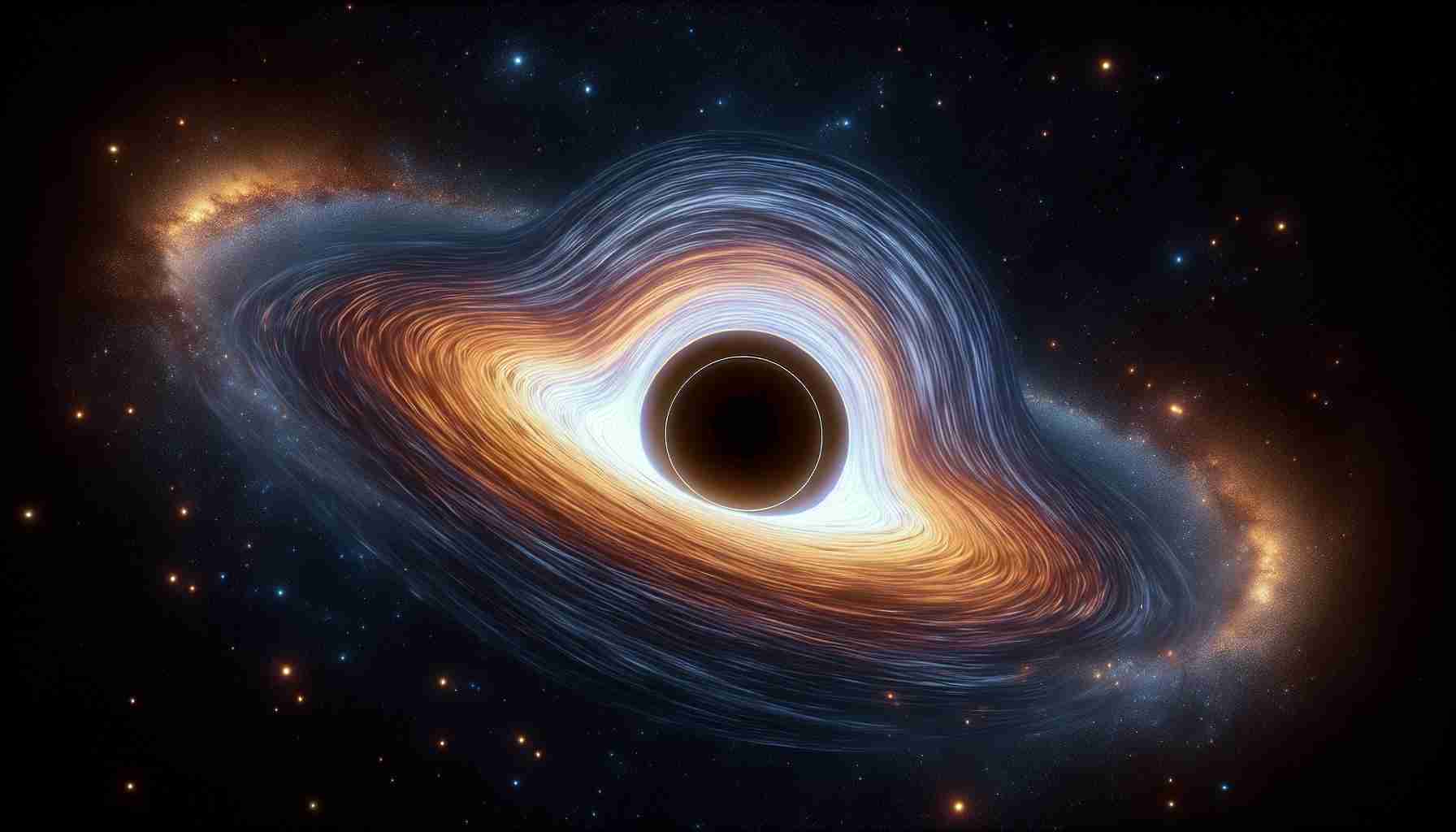
NASA researchers have made a groundbreaking discovery involving a black hole located at the heart of the galaxy NGC 5084. Using advanced analysis techniques, scientists revisited legacy data from NASA’s Chandra X-ray Observatory and uncovered an unexpected phenomenon—the black hole in this galaxy appears to be rotating at an angle that contradicts previous expectations. The new findings reveal the presence of an unusual X-shaped pattern created by four plumes of plasma emanating from the galaxy’s core. This discovery challenges long-standing assumptions about the orientation of black holes relative to their host galaxies.

The X-ray data from Chandra revealed two distinct pairs of plasma plumes, each behaving differently from typical black hole jets. One pair is oriented perpendicularly, extending above and below the galaxy’s plane, while the other pair is aligned within the plane itself. This configuration forms a striking cross-like shape, an anomaly that is rarely seen in other galaxies. The presence of these plumes suggests that something significant may have disrupted the normal formation or behavior of the galaxy, providing new insights into the dynamic processes at play in this distant system.

To gain a deeper understanding of the galaxy’s structure, researchers turned to archival data from the Hubble Space Telescope and the Atacama Large Millimeter Array (ALMA) in Chile. These additional observations revealed a small dusty disk at the center of NGC 5084, adding further complexity to the black hole’s unusual orientation. The inner disk, aligned at a 90-degree angle to the galaxy’s overall rotation, suggests that the supermassive black hole is positioned “sideways” relative to the galaxy’s core.

This discovery is a significant step forward in our understanding of black holes and their interaction with the galaxies they inhabit. The unusual orientation and the presence of the X-shaped plasma pattern raise new questions about how black holes form and evolve, and how they influence the surrounding galactic environment. As further research is conducted, these findings could reshape our understanding of galactic dynamics and the role black holes play in shaping the universe.

NASA’s InSight Mars Lander Captured Beneath Dust Layers by Mars Reconnaissance Orbiter

Mars Reconnaissance Orbiter Captures Retired InSight Lander Beneath Dust Layers

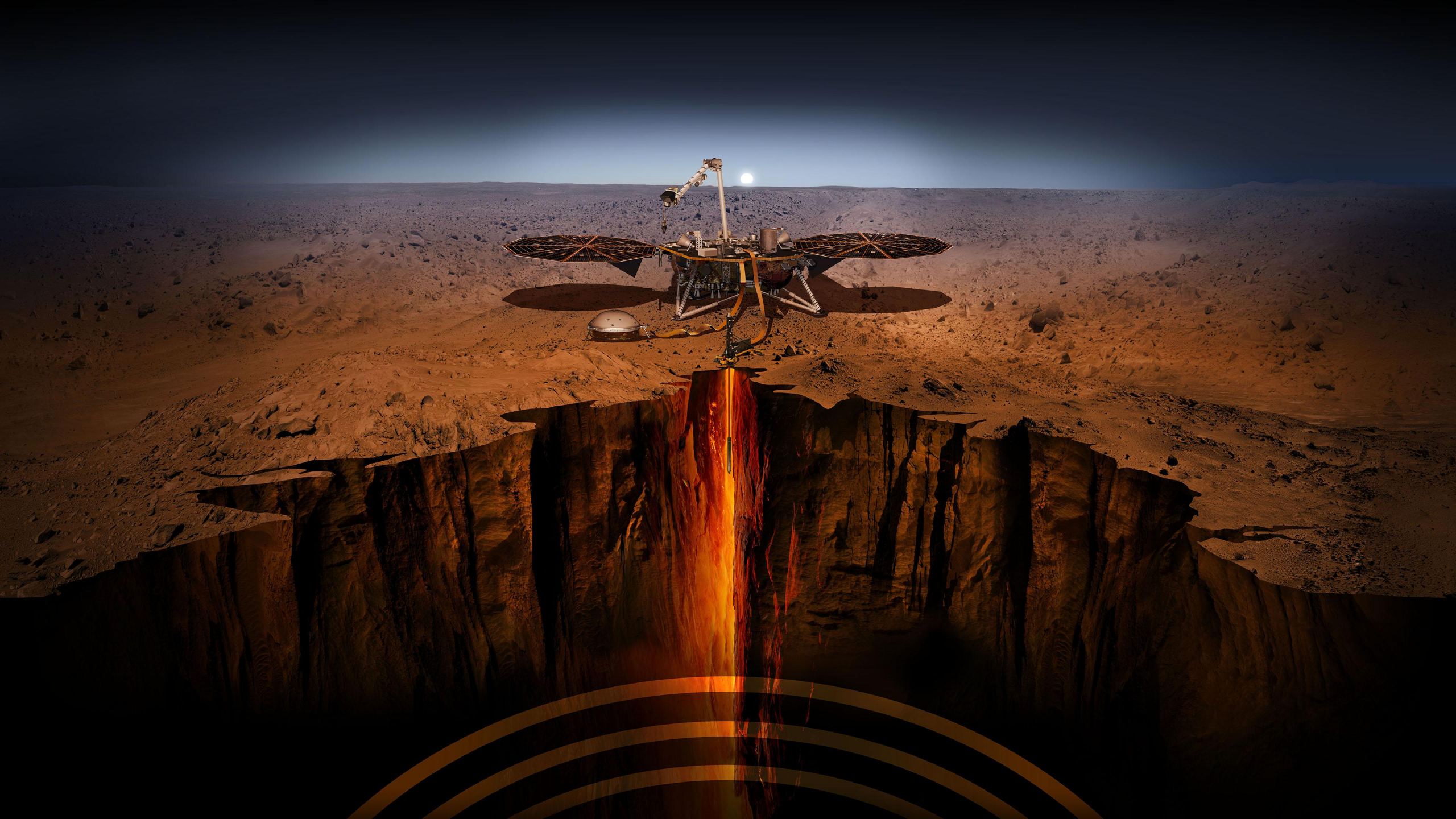
NASA’s retired InSight Mars lander has recently been photographed by the Mars Reconnaissance Orbiter (MRO) in an image taken on October 23, 2024, using its High-Resolution Imaging Science Experiment (HiRISE) camera. The image reveals the lander nearly camouflaged beneath layers of dust that have accumulated on its solar panels, which now match the reddish-brown hue of the Martian surface. This observation continues to provide valuable insights into Mars’ dynamic dust and wind patterns, helping scientists better understand the planet’s environmental processes.

InSight’s Historic Mission and Its Retirement

The InSight lander, which landed on Mars in November 2018, was instrumental in detecting Marsquakes and studying the planet’s crust, mantle, and core. Its primary mission was to monitor seismic activity and gain deeper insights into Mars’ internal structure. However, in December 2022, NASA officially declared the mission over after the lander stopped communicating due to severe dust accumulation on its solar panels. Engineers from NASA’s Jet Propulsion Laboratory (JPL) in California continued to monitor the lander, hoping that Martian winds would clear the dust and restore power. Despite their efforts, no signals were received, and the lander’s listening operations are set to conclude by the end of this year.

Tracking Dust and Wind Dynamics on Mars

The new HiRISE images were captured as part of an ongoing effort to monitor the effects of dust and wind on Mars’ surface. By tracking how dust accumulates and shifts over time, scientists are gaining a better understanding of the planet’s dust cycle and wind dynamics. Ingrid Daubar, a member of the science team at Brown University, emphasized the significance of these observations, stating that they provide crucial data for future missions to Mars. Understanding how dust interacts with the Martian environment is key for planning future landings, as dust accumulation remains a major challenge for solar-powered missions.

Impact on Future Mars Missions

The information gathered from the HiRISE images of InSight’s location will continue to shape how future missions approach the Martian surface. Dust remains one of the most significant obstacles for equipment on Mars, and understanding how it moves and settles will inform strategies to mitigate its effects on upcoming missions. As NASA prepares for future explorations of Mars, including the Artemis missions and potential human landings, the insights gained from monitoring InSight’s dust-covered panels will be critical in developing new technologies to protect spacecraft and rovers.