Yazılar

Concerns Over Environmental Effects of ISS Deorbit in 2031 on Oceans and Atmosphere

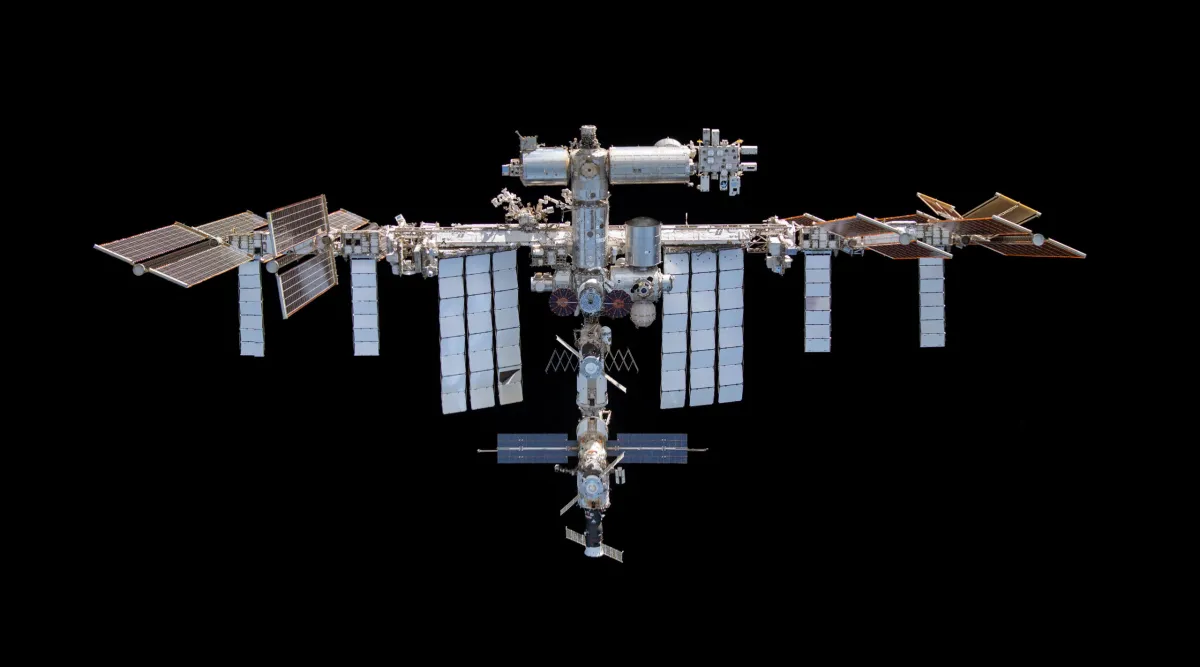
The planned deorbit of the International Space Station (ISS) in 2031 has sparked discussions on its potential environmental impact. The ISS, weighing around 450 tons and facing various operational issues like coolant leaks and structural damage, is set to undergo a controlled re-entry into Earth’s atmosphere. The spacecraft will be directed toward Point Nemo, a remote area in the South Pacific Ocean often used for deorbiting space hardware, which is dubbed the “spacecraft cemetery” due to its distance from human settlements. However, environmental experts have raised concerns regarding the potential consequences for both the ocean and atmosphere as the ISS burns up during re-entry.

One of the main areas of concern involves the potential impact on Earth’s oceans. While the re-entry is expected to occur over a sparsely populated part of the ocean, environmentalists are wary of the long-term effects of large space objects re-entering the atmosphere. According to experts, although oceanic pollution from such events is minimal when compared to other forms of human activity, it still raises valid concerns about the accumulation of space debris in remote areas like Point Nemo. As space exploration increases, these unregulated disposal practices may become an increasingly significant issue for the global environment.

In addition to the oceans, there are also concerns about the ISS’s controlled re-entry’s impact on Earth’s atmosphere. Physicist Luciano Anselmo from the Space Flight Dynamics Laboratory in Pisa, Italy, pointed out that while the risk of oceanic pollution from space debris is low, the potential effects on the upper atmosphere are still not fully understood. The materials that disintegrate during re-entry may contribute to atmospheric changes or unknown chemical reactions. Further studies are required to assess the full range of atmospheric risks posed by large spacecraft falling back to Earth, particularly when considering the global effects of such high-altitude debris.

Advocacy groups, including Greenpeace International and the Ocean Conservancy, have also voiced concerns about the lack of international regulations
Robotic Innovations by NASA to Enable Autonomous Ocean World Exploration

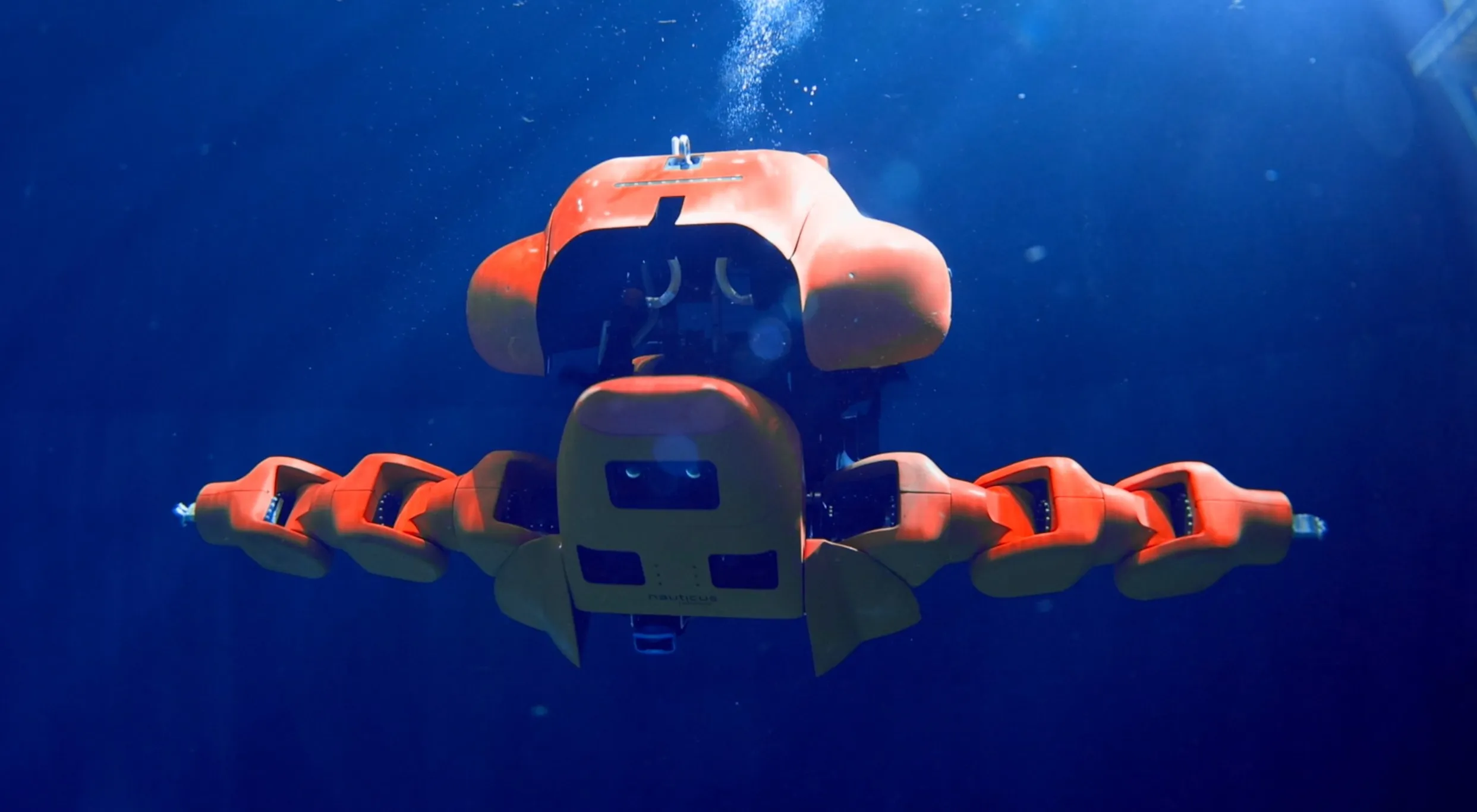
NASA is making significant strides in developing autonomous spacecraft technologies aimed at exploring “ocean worlds,” such as Europa and Enceladus, which are among the most promising locations for discovering extraterrestrial life. These celestial bodies, characterized by subsurface oceans beneath icy crusts, present unique challenges for robotic exploration. To tackle these hurdles, NASA has introduced advanced testing platforms, including the Ocean Worlds Lander Autonomy Testbed (OWLAT) and the Ocean Worlds Autonomy Testbed for Exploration, Research, and Simulation (OceanWATERS). These initiatives are pivotal in preparing spacecraft for missions to these distant and inhospitable environments.

OWLAT, developed by NASA’s Jet Propulsion Laboratory (JPL), provides a physical testbed for simulating lander operations in conditions similar to those on Europa. It includes a robotic arm equipped with specialized tools for sampling and analyzing icy surfaces. The testbed also features a Stewart platform, which mimics the low-gravity dynamics of ocean worlds. This setup allows researchers to evaluate how robotic systems will interact with rough, uneven terrain while ensuring they can operate safely and effectively under extreme conditions.

On the other hand, OceanWATERS, created at NASA’s Ames Research Center, offers a complementary virtual testing environment. This software-based platform replicates Europa’s icy landscape and subsurface ocean conditions, enabling mission teams to design and refine autonomous operations without the need for physical prototypes. By simulating long communication delays and limited energy resources, OceanWATERS prepares robotic systems to perform critical tasks such as drilling, sampling, and transmitting data back to Earth with minimal human intervention.

Together, OWLAT and OceanWATERS represent a comprehensive approach to overcoming the obstacles associated with exploring ocean worlds. These technologies focus on enhancing spacecraft autonomy, a critical requirement for missions operating billions of miles away from Earth. By advancing these systems, NASA aims to pave the way for groundbreaking discoveries that could reveal whether life exists beyond our planet, making these efforts a cornerstone of future extraterrestrial exploration.

Asteroid Spotted Just Hours Before Earth Impact, Creates Massive Fireball Over Siberia

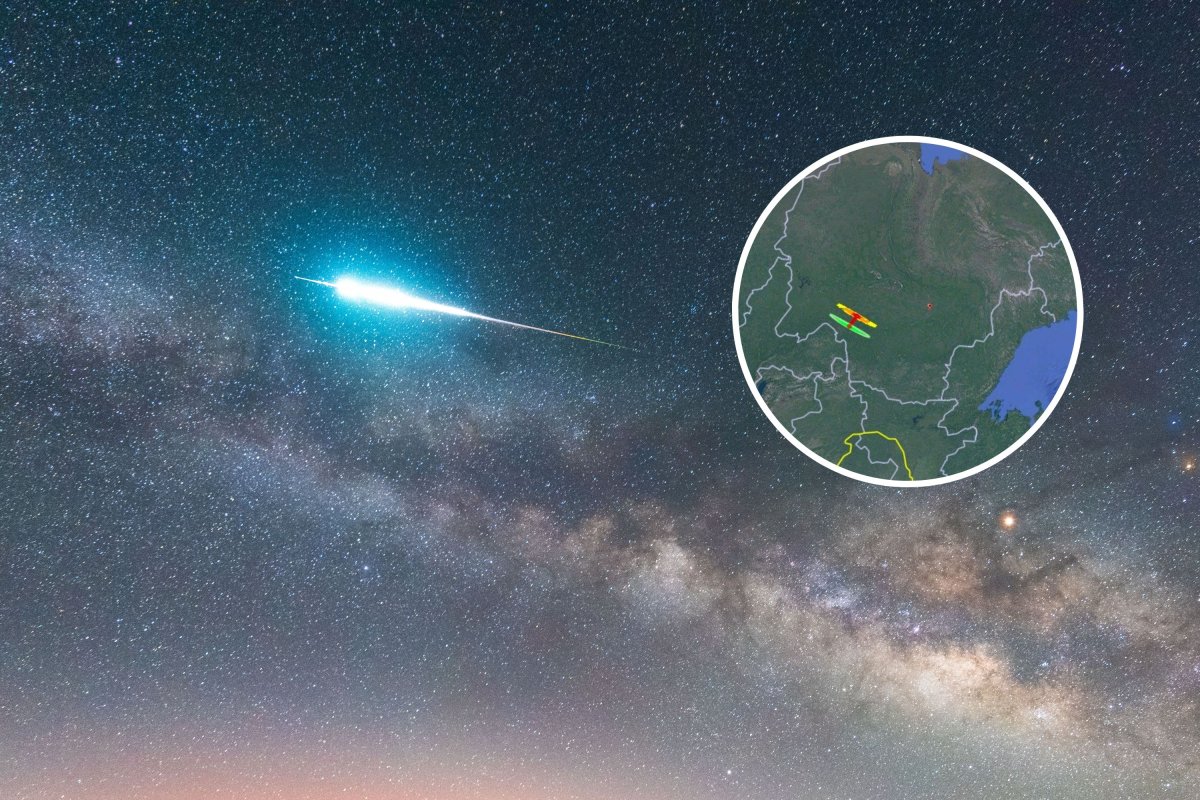
Astronomers at the Kitt Peak National Observatory in Arizona detected a small asteroid, roughly 27 inches in diameter, on a collision course with Earth. This asteroid, temporarily named C0WEPC5, entered Earth’s atmosphere around 11:15 a.m. ET, producing a harmless fireball over northern Siberia. The European Space Agency (ESA) confirmed the event, stating that the asteroid disintegrated entirely in the atmosphere, posing no threat to the planet. The bright fireball was visible to observers, but it caused no damage or danger to the region.

C0WEPC5’s close call with Earth marked the fourth asteroid of 2024 to be classified as an “imminent impactor,” a term used for objects that are detected only hours before their predicted entry into Earth’s atmosphere. This marks an unusual frequency of near-Earth encounters, with C0WEPC5 bringing the total number of imminent impactors for 2024 to 11. While most of these objects are small and burn up upon entry, their detection emphasizes the importance of continuous monitoring of the skies. Physicist Richard Moissl confirmed that another potential impactor remains unverified but is still under observation.

This year has seen several similar events, including asteroid 2024 BX1, which entered the atmosphere over Berlin in January and asteroid 2024 RW1, which exploded in a brilliant fireball over the Philippines in September. In October, asteroid 2024 UQ was detected just two hours before it lit up the skies over Hawaii in an awe-inspiring display. These incidents highlight the dynamic and sometimes unpredictable nature of small celestial bodies near our planet.

The frequent detection of these objects has prompted scientists to refine their monitoring techniques and improve early warning systems. While most of these asteroids are too small to pose a significant threat, their sudden appearance reinforces the need for ongoing surveillance of Earth’s near space environment. With each new event, astronomers continue to refine their models and enhance our understanding of potential hazards from space.