
Yazılar

Italy’s Talks with Musk’s Starlink Stalled Over Geopolitical Tensions

Negotiations between the Italian government and Elon Musk’s satellite internet company, Starlink, have stalled, according to Italy’s Defense Minister Guido Crosetto. The potential contract, which could have seen Starlink provide secure communications for Italy’s government and defense officials, has been delayed due to shifting discussions from technical issues to political concerns surrounding Musk’s statements and associations.

Prime Minister Giorgia Meloni’s government had been exploring a deal with Starlink to guarantee encrypted communications for diplomats and defense officials in high-risk areas. The proposed deal, valued at 1.5 billion euros ($1.62 billion) over five years, would have seen Starlink’s satellite services expand in Italy, where the company has been operating since 2021 with around 7,000 low-orbit satellites in use globally. However, tensions have arisen due to opposition from Italian politicians questioning the appropriateness of granting a national security contract to a foreign businessman with strong ties to U.S. President Donald Trump.

Crosetto emphasized that discussions should return to a technical level once the political tensions subside, stating that the ultimate goal is to determine what is safest and most useful for Italy’s national security. He referred to Musk as a “visionary genius” but acknowledged the complex political context surrounding the deal.

The situation also reflects the broader geopolitical balancing act that Meloni’s government faces as it navigates Italy’s alliance with the United States. Meloni’s coalition partner, the far-right League, has continued to support both Musk and Trump, putting additional pressure on the government.

Meanwhile, Andrea Stroppa, a representative for Musk in Italy, suggested that while Italy and its European partners should consider developing their own satellite infrastructure, Starlink could offer the most viable solution in the short term to meet urgent operational needs.
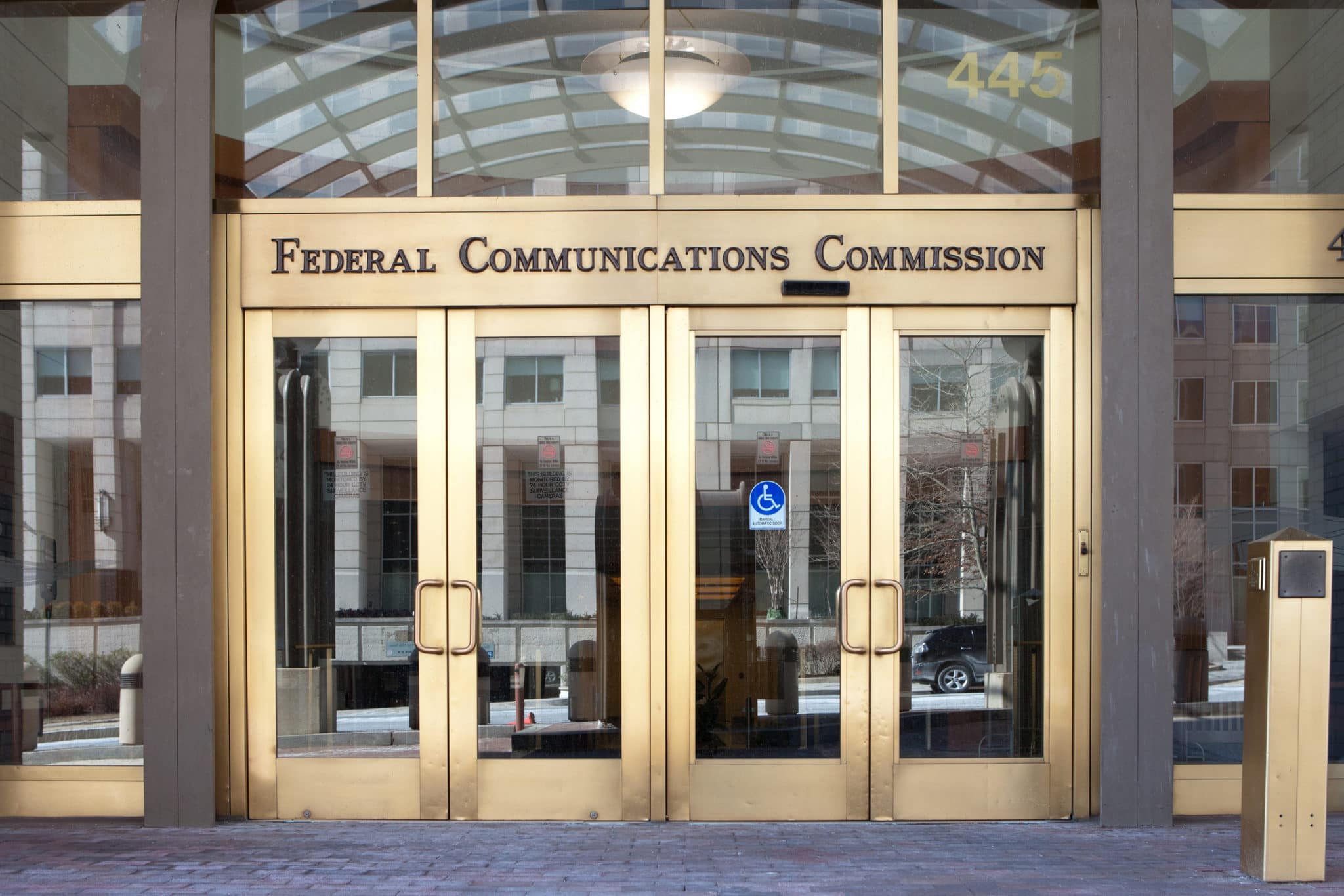
FCC Investigates Chinese Tech and Telecom Firms for Potential Evasion of US Restrictions

The Federal Communications Commission (FCC) has launched an investigation into nine Chinese companies, including Huawei Technologies, ZTE, Hangzhou Hikvision, China Mobile, China Telecom, and others, to determine whether they are attempting to circumvent U.S. restrictions. These companies are currently listed on the FCC’s “Covered List,” which designates certain communications equipment and services as national security threats.

FCC Chair Brendan Carr stated that the companies may still be operating in the U.S. due to their belief that the FCC’s restrictions do not prohibit certain types of operations. Other companies under scrutiny include Hytera Communications, Dahua Technology, Pacifica Networks/ComNet, and China Unicom (Americas). This investigation is the latest move in a broader U.S. effort to combat perceived national security risks posed by Chinese telecom and technology firms.

The FCC has already barred these companies from providing telecommunications services in the U.S. due to national security concerns. However, Carr expressed concerns that some of the firms may be continuing business in America through private or “unregulated” channels. The FCC is investigating whether these companies are evading the restrictions and is taking steps to close any potential loopholes.

The agency has sent Letters of Inquiry and at least one subpoena to the companies, seeking detailed information about their ongoing activities in the U.S. and any potential assistance from other companies aiding their operations. Last year, the FCC also took steps to enhance the security of the Border Gateway Protocol (BGP) after U.S. agencies accused China Telecom of exploiting BGP vulnerabilities to misroute U.S. internet traffic.

Italy Tests Starlink Antennas in Embassies, No National Security Deal Yet

Italy has begun testing Starlink antennas in four of its embassies globally, marking an early experiment in securing communications for government officials, but has not yet entered into any formal national security contract with Elon Musk’s Starlink. According to Luca Ciriani, the country’s Minister for Parliamentary Relations, the antennas are part of trials to test their functionality but are not currently active for official communication.

The right-wing government of Italy is exploring solutions to guarantee encrypted communications between diplomats and defense officials, particularly in high-risk regions. Starlink has emerged as one of the potential providers, but the government’s discussions with Musk’s company have raised concerns. Critics, particularly opposition politicians, have voiced strong opposition, questioning the prudence of allowing a foreign businessman with ties to U.S. President Donald Trump to handle a sensitive aspect of the nation’s security.

As of now, the antennas have been installed in embassies in Burkina Faso, Bangladesh, Lebanon, and Iran, but none have been used for active communication. The government confirmed that the antennas were only activated for testing purposes, with plans to suspend and potentially reactivate them when needed.

Ciriani emphasized that the antennas would not be used to transmit classified information and that Italy has not entrusted any critical infrastructure to Starlink. The trials have been conducted through third-party contracts, not a direct agreement between Italy and SpaceX, the parent company of Starlink.

Starlink, with a constellation of 6,700 satellites, is the leading player in the satellite communications industry. However, Eutelsat, a Franco-British competitor managing around 650 low Earth orbit satellites, is also in discussions with the Italian government. Reports suggest that Italy is considering a potential five-year contract worth 1.5 billion euros ($1.63 billion) for satellite communication services.