Yazılar

Venezuelan Opposition Leader Edmundo González Vows to ‘Continue to Fight’ for Democracy After Asylum in Spain

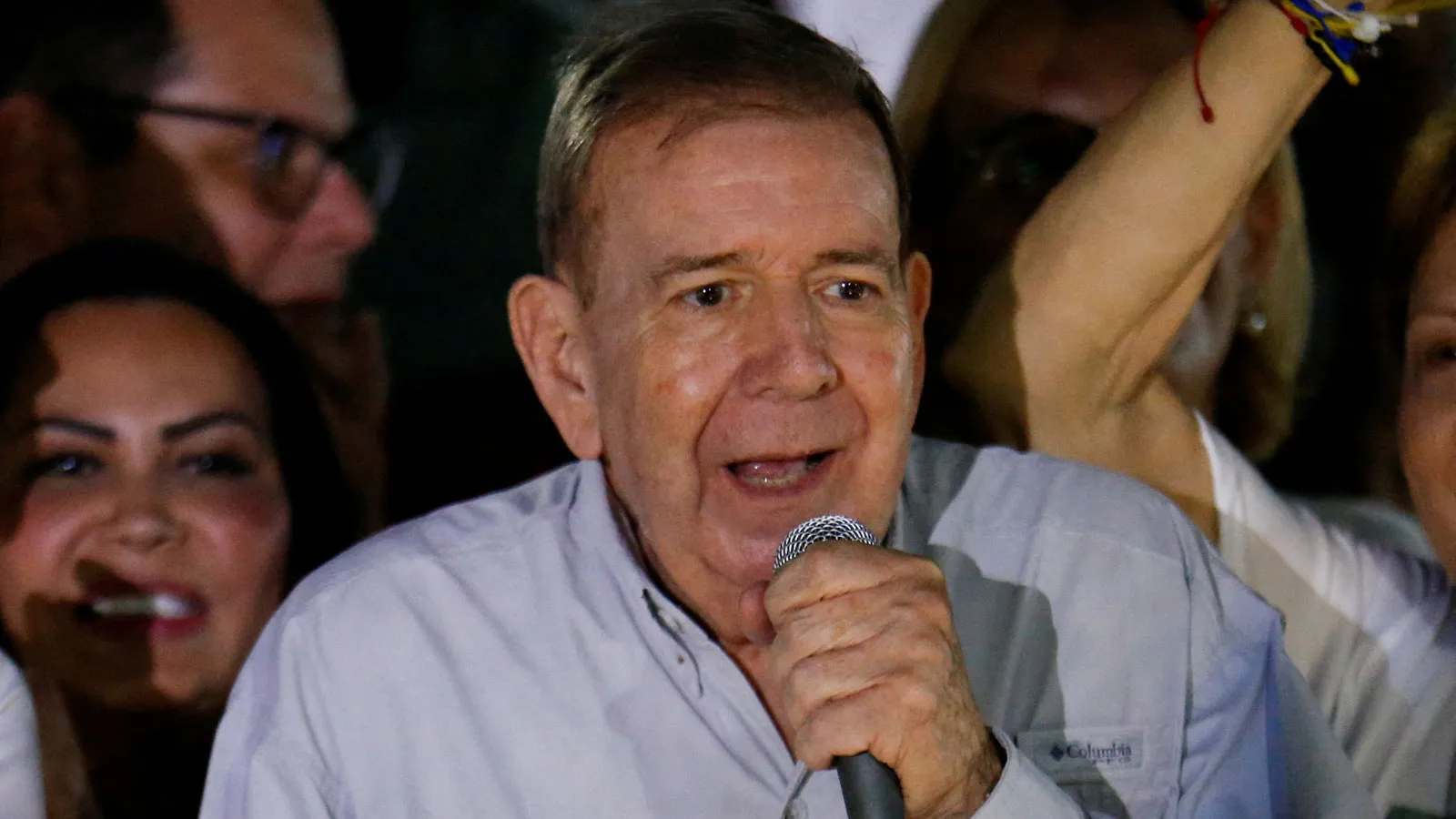
Venezuelan opposition candidate Edmundo González has pledged to “continue to fight” for democracy in Venezuela following his arrival in Spain, where he has been granted asylum. González, who fled Venezuela on Saturday, had been hiding at the Spanish embassy in Caracas for weeks. He arrived at the Torrejón de Ardoz military air base in Madrid with his wife around 16:00 local time (14:00 GMT).

González’s departure follows the controversial 28 July elections, where President Nicolás Maduro claimed victory, a result disputed by González and various international observers. An arrest warrant had been issued against González in Venezuela, accusing him of conspiracy and document forgery.

In a statement, González expressed confidence in the eventual return of freedom and democracy to Venezuela, despite his challenging departure under pressure and threats. Opposition leader María Corina Machado, who was barred from running against Maduro, cited a “brutal wave of repression” as a key reason for González’s decision to leave.

The opposition claims evidence that González won the election by a substantial margin, contradicting Maduro’s reported victory. The US, EU, and other foreign governments have not recognized Maduro’s win without detailed voting data.

US Secretary of State Antony Blinken criticized Maduro’s anti-democratic actions and reiterated support for González’s efforts to restore democracy. EU Vice-President Josep Borrell also condemned the situation, highlighting the troubling aspect of political leaders being forced into exile.

Spanish Prime Minister Pedro Sánchez hailed González as “a hero,” and Foreign Minister José Manuel Albares affirmed Spain’s commitment to the political rights of Venezuelans by granting him asylum. González’s departure coincided with security forces surrounding the Argentine embassy in Caracas, where six opposition figures were seeking refuge amid allegations of plotting terrorist acts.
 

Venezuelan Opposition Leader Edmundo González Seeks Asylum in Spain

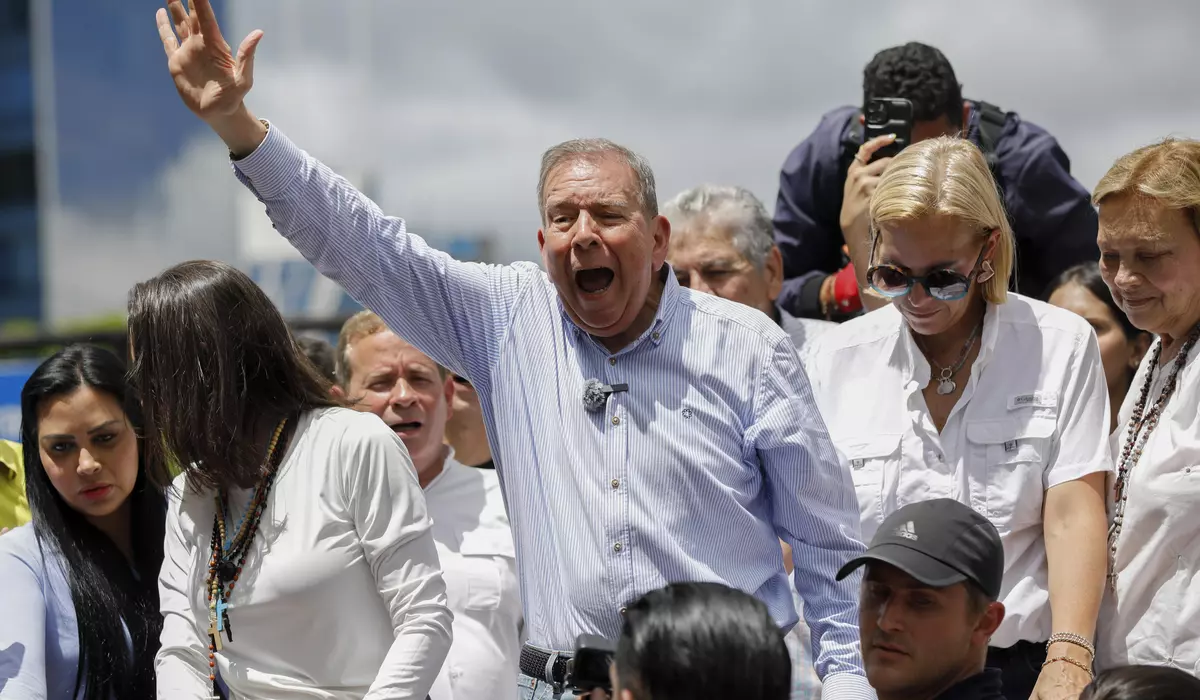
In a dramatic development, Venezuelan opposition leader Edmundo González has left Venezuela and sought asylum in Spain. The Venezuelan government confirmed that González, who had been in hiding following a warrant for his arrest, sought refuge at the Spanish embassy in Caracas before requesting asylum.

Political Context

González’s departure comes amid ongoing political turmoil in Venezuela. The crisis began after the National Electoral Council (CNE), controlled by the government, declared Nicolás Maduro the winner of the presidential election held on July 28. The opposition has disputed the results, claiming that González won by a significant margin. They have provided detailed voting tallies online that purportedly show González as the victor.

Government Response

Venezuelan Vice-President Delcy Rodríguez announced on social media that Caracas had granted González safe passage out of the country. Spain’s Minister of Foreign Affairs, José Manuel Albares, confirmed that González left Venezuela on a Spanish Air Force plane at his own request. Albares reiterated Spain’s commitment to the political rights of Venezuelans.

Ongoing Crisis

Since the election, Venezuela has experienced significant unrest. The government’s response to opposition protests and claims has resulted in violence, with at least 27 lives lost and 192 people injured. The government has also detained approximately 2,400 individuals. The post-election violence and the government’s handling of the situation have led to widespread condemnation from international communities, including the United States, the European Union, and several Latin American countries.

Venezuelan Opposition Protests Intensify Amid Disputed Election Results

In Venezuela, the political opposition and its supporters have taken to the streets across the country, demanding recognition of their candidate Edmundo Gonzalez’s alleged victory in the presidential election held nearly three weeks ago. Despite the electoral authority’s declaration that President Nicolas Maduro secured a third term with just under 52% of the vote, the opposition, led by former lawmaker Maria Corina Machado, claims to have evidence showing Gonzalez won with 67% of the votes, based on tallies from 83% of voting machines.

The disputed election has plunged the economically struggling nation into a deep political crisis, exacerbated by a government crackdown on protests that has resulted in at least 2,400 arrests and 23 deaths. The international community has proposed various solutions, including a new election, but both the ruling party and the opposition have largely rejected these suggestions.

In Caracas, thousands of opposition supporters gathered in the eastern part of the city, where Machado called for international verification of the election results and urged her followers to continue their protests. Similar demonstrations took place in cities across Venezuela, including Maracaibo, Valencia, San Cristobal, and Barquisimeto, with many protesters carrying Venezuelan flags and copies of voting tallies as symbols of their demand for electoral transparency.

The protests have also resonated with the Venezuelan diaspora, with gatherings reported in cities like Mexico City, where nearly 1,000 people rallied in support of a free Venezuela. Many of these expatriates, driven out by the country’s severe economic and political turmoil, expressed hope for an end to Maduro’s rule and the possibility of returning to their homeland.

Maduro, in response, addressed his supporters at Miraflores Palace, dismissing international criticism and asserting Venezuela’s sovereignty. He promised economic growth despite the country’s severe downturn, which has seen a loss of over 73% of its GDP since 2013. While some countries like Russia and China have congratulated Maduro on his victory, others, including many Western nations, have called for the full publication of election results.

As the opposition continues to press for recognition of its candidate’s victory, their options appear to be narrowing, with international focus gradually shifting away from the crisis. However, Latin American leaders are expected to discuss the situation during a gathering in the Dominican Republic, where the crisis in Venezuela will likely be a key topic of conversation.