Yazılar

North Carolina Launches Massive Rescue Operation After Tropical Storm Helene’s Devastation

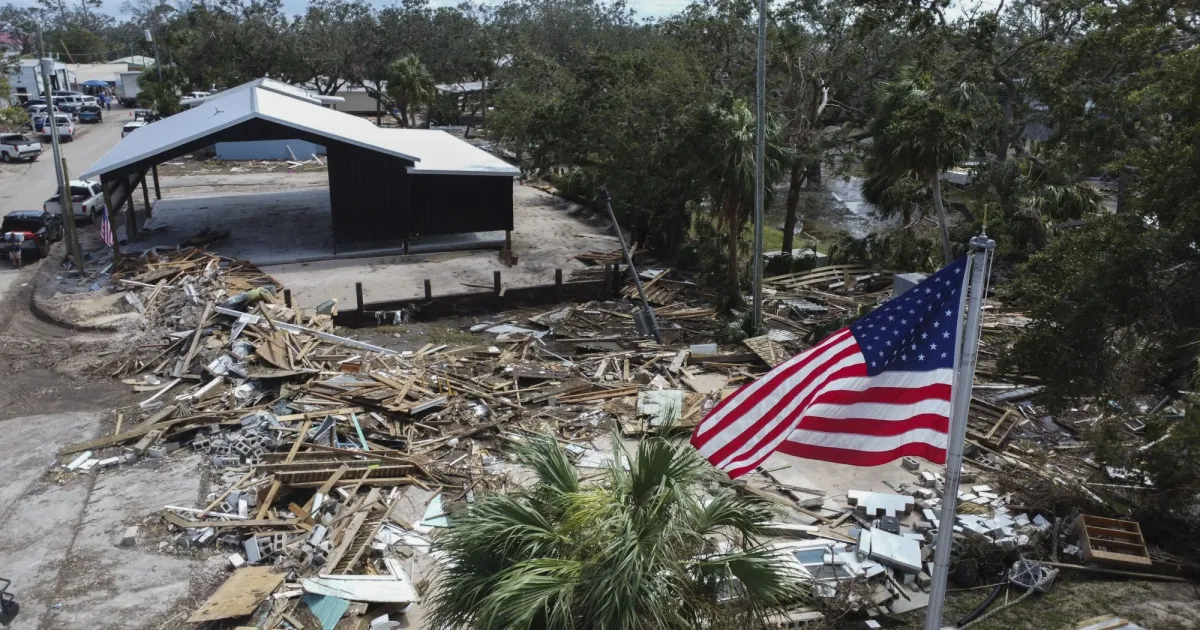
In the aftermath of tropical storm Helene, North Carolina has initiated a large-scale search and rescue effort, delivering emergency supplies to isolated communities left devastated by the storm. What began as a hurricane battering Florida’s Gulf coast evolved into a destructive force across the southeastern U.S., cutting off remote areas and leaving hundreds of people unaccounted for, with many feared dead.

The storm has claimed more than 100 lives across six states—North Carolina, South Carolina, Georgia, Florida, Tennessee, and Virginia. Rescue teams are working to access cut-off towns, with the death toll expected to rise once isolated areas are reached. Roads remain blocked, and nearly 7,000 people have registered for federal aid. The U.S. National Guard is airlifting 1,000 tons of food and water to affected areas.

One of the worst-hit regions is the small town of Bat Cave in western North Carolina, where the Broad River overflowed, destroying homes and severing infrastructure. Residents described the area as “post-apocalyptic,” with one local, Aaron Smith, recounting how his home was reduced to rubble. Private helicopters were initially waved off from landing due to the unstable condition of the town’s bridge.

Nearby, the village of Chimney Rock was also destroyed by the storm, with debris and wreckage filling Lake Lure downstream. In Charlotte, City Councilman Tariq Bokhari shared footage of the devastation at Lake Lure, describing the scene as overwhelming and “beyond belief.”

State and federal recovery efforts are in full swing, with 1.8 million homes still without power. Georgia Governor Brian Kemp confirmed the loss of 25 lives in his state, while South Carolina reported at least 29 fatalities. North Carolina Governor Roy Cooper, after an aerial tour of the damage, said that significant resources would be needed for recovery and praised the ongoing work of search and rescue teams.

FEMA Administrator Deanne Criswell noted that 3,000 federal personnel are deployed across the region to assist in relief efforts. President Joe Biden, attributing the scale of destruction to climate change, vowed that the federal government would not leave until recovery is complete and may call a special session of Congress to pass additional aid funding.

Hurricane Helene Leaves Over 90 Dead, Widespread Destruction Across Southeastern U.S.

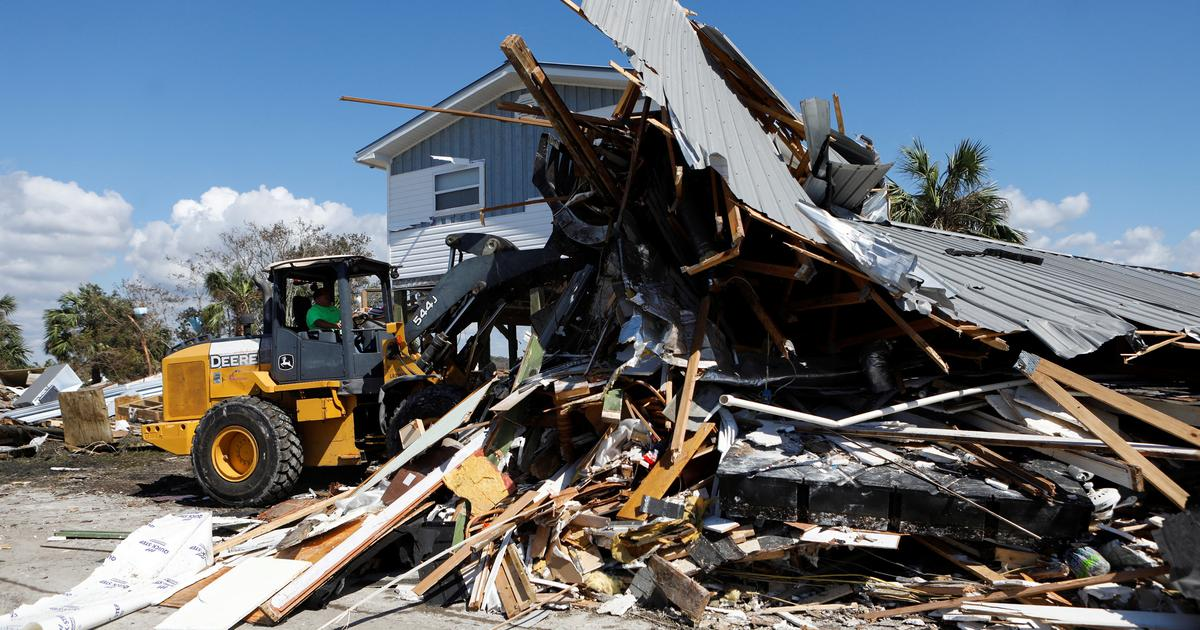
The Southeastern United States is facing a massive cleanup and recovery operation after Hurricane Helene ravaged the region, leaving at least 90 people dead and causing widespread damage. The storm, which brought powerful winds, torrential rain, and destructive storm surges, impacted states from Florida to Virginia, knocking out power for millions, washing away roads and bridges, and causing severe flooding.

As of Sunday, officials in North Carolina, South Carolina, Georgia, Florida, Tennessee, and Virginia confirmed 90 fatalities, with fears that more bodies could be discovered as search and rescue efforts continue. Buncombe County in North Carolina was hit particularly hard, with 30 confirmed deaths. County Manager Avril Pinder has requested emergency food and water, as parts of Asheville remain submerged. North Carolina Governor Roy Cooper described the event as a catastrophe of “historic proportions,” with many in western North Carolina claiming they’ve never experienced such destruction.

Across the region, around 2.7 million people were left without power, though that number had decreased by 40% from Friday’s peak. Major infrastructure damage has delayed recovery efforts, and in Flat Rock, North Carolina, residents queued for hours for gas amidst widespread blackouts.

In South Carolina, 25 deaths were reported, Georgia had 17, and Florida confirmed 11 fatalities. President Joe Biden plans to visit the devastated areas later in the week to offer federal recovery assistance after declaring major disasters in several states. He referred to the damage as “stunning,” pledging long-term support.

Hurricane Helene first made landfall on Florida’s Gulf Coast late Thursday, causing extensive damage. Coastal areas, including Horseshoe Beach, saw entire homes destroyed. Charlene Huggins, a resident of Horseshoe Beach, returned to the remains of her family’s home, which had housed five generations. “It just breaks your heart,” she said, holding a treasured family heirloom.

Further along the coast in Steinhatchee, an eight to 10-foot storm surge pushed mobile homes from their foundations, with some areas experiencing surges up to 15 feet. Residents of the small fishing community Spring Warrior Fish Camp were still waiting for emergency aid as they began to sift through the wreckage. David Hall, a local hotel owner, expressed the isolation many feel, saying, “No one thinks of us back here.”

In neighboring Keaton Beach, Kristin Macqueen helped friends salvage what they could after their home was destroyed. “It’s complete devastation,” she said. “Houses have just been ripped off their slabs.”

Republican presidential candidate Donald Trump plans to visit Valdosta, Georgia, to assess the damage and assist with relief efforts.

Misinformation on Facebook Alarms Officials as 2024 Elections Near

Election officials across the U.S. are increasingly concerned about the spread of misinformation on Facebook as the country heads into the critical 2024 presidential election. In Durham County, North Carolina, Derek Bowens, the director of elections, faced a crisis when viral posts falsely claimed that voters should request new ballots if a poll worker writes on them, rendering the ballots invalid. This misinformation, which also spread during the 2020 election, has resurfaced without fact-checking labels on Facebook.

Despite previous efforts to flag such content, Bowens and other officials have seen a lack of timely intervention from Meta, Facebook’s parent company. The North Carolina State Board of Elections had to issue a press release to counter the misinformation. However, many false posts continue to circulate in North Carolina and other states like Mississippi and New Jersey without warnings or corrections. Meta stated that it has sent flagged content to third-party fact-checkers, but election officials are still frustrated by the platform’s insufficient efforts to prevent the spread of false information.

Across the nation, with just 40 days until the November 5 elections, election officials are worried about how misinformation might disrupt the voting process. While Facebook scaled back the promotion of political content on its platform after the 2020 election, misleading posts still spread quickly, often outpacing official responses. Bowens and his colleagues, as well as officials in swing states like Arizona and Wisconsin, are finding it increasingly difficult to use social media effectively to provide accurate information.

In Maricopa County, Arizona, communication director Taylor Kinnerup noted that false claims about voter fraud from 2020 still plague the county’s social media feeds. Despite efforts to increase transparency and communication, Kinnerup’s team struggles with Meta’s limited engagement and unresponsive support systems. Many local election offices are also dealing with technical issues when using Meta’s apps, such as unlinked Facebook and Instagram accounts that prevent simultaneous posts.

Meta, which has cut back its trust and safety teams during multiple rounds of layoffs since 2021, continues to promote its integrity efforts and partnerships with fact-checking groups worldwide. However, state and local officials like Bowens and Kinnerup report little direct communication or assistance from Meta in addressing election misinformation.

Officials warn that the risks go beyond the presidential race, with down-ballot races also vulnerable to interference, as regional and local election systems often have less protection. Congressional representatives, including Sen. Susan Collins, have expressed concerns about foreign actors targeting these races with disinformation.

As the November elections approach, election officials across the country are working overtime to combat the spread of misinformation, but many feel under-supported by tech companies like Meta. With election integrity at stake, they urge greater collaboration and proactive measures to prevent further disruptions.