Apple Becomes World’s Most Valuable Company as AI Investment Focus Evolves
Apple has regained the title of the world’s most valuable publicly traded company, overtaking Nvidia as investors broaden their view of which businesses are best positioned to benefit from the artificial intelligence era.
Apple’s market capitalization reached approximately $4.88 trillion, edging past Nvidia’s $4.86 trillion after shares of the AI chipmaker declined. The milestone marks Apple’s return to the top for the first time since last year.
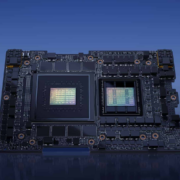
The shift reflects a changing investment narrative. While Nvidia remains the dominant supplier of AI processors powering data centers worldwide, investors are increasingly looking beyond infrastructure providers toward companies expected to monetize artificial intelligence through consumer products, software, and digital services.
For Apple, confidence has improved despite earlier criticism that it lagged competitors in generative AI. Investors are increasingly focusing on the company’s unique advantages: a massive installed base of iPhone users, deep ecosystem integration, recurring services revenue, and the potential to embed AI features across billions of devices.
Apple’s recent rollout of an upgraded Siri and its broader AI strategy have also contributed to improving market sentiment. Analysts believe one of the company’s greatest long-term assets is the vast amount of personal data stored securely on users’ devices, which could enable more personalized AI experiences while maintaining Apple’s privacy-focused approach.
Leadership transition also adds significance to the milestone. CEO Tim Cook is expected to hand leadership to John Ternus later this year, making Apple’s renewed position at the top of global equity markets an important moment in the company’s strategic evolution.
Meanwhile, Nvidia remains one of the largest beneficiaries of global AI infrastructure spending. Demand for its GPUs continues to be driven by hyperscale cloud providers and enterprise AI deployments, and many analysts believe the company could reclaim the top position if investor sentiment shifts again.
The broader AI investment landscape is also becoming more diversified. Companies such as Micron and SK Hynix have attracted substantial investor interest as memory chips emerge as another critical component of AI infrastructure, while capital increasingly flows across multiple segments of the semiconductor ecosystem.
Rather than signaling the end of Nvidia’s dominance, Apple’s return to the top suggests investors are expanding their AI thesis beyond chip manufacturing to include companies capable of generating sustainable long-term earnings through AI-powered products and services.