Yazılar

Hedge Funds Double Down on Big Tech Amid AI Boom

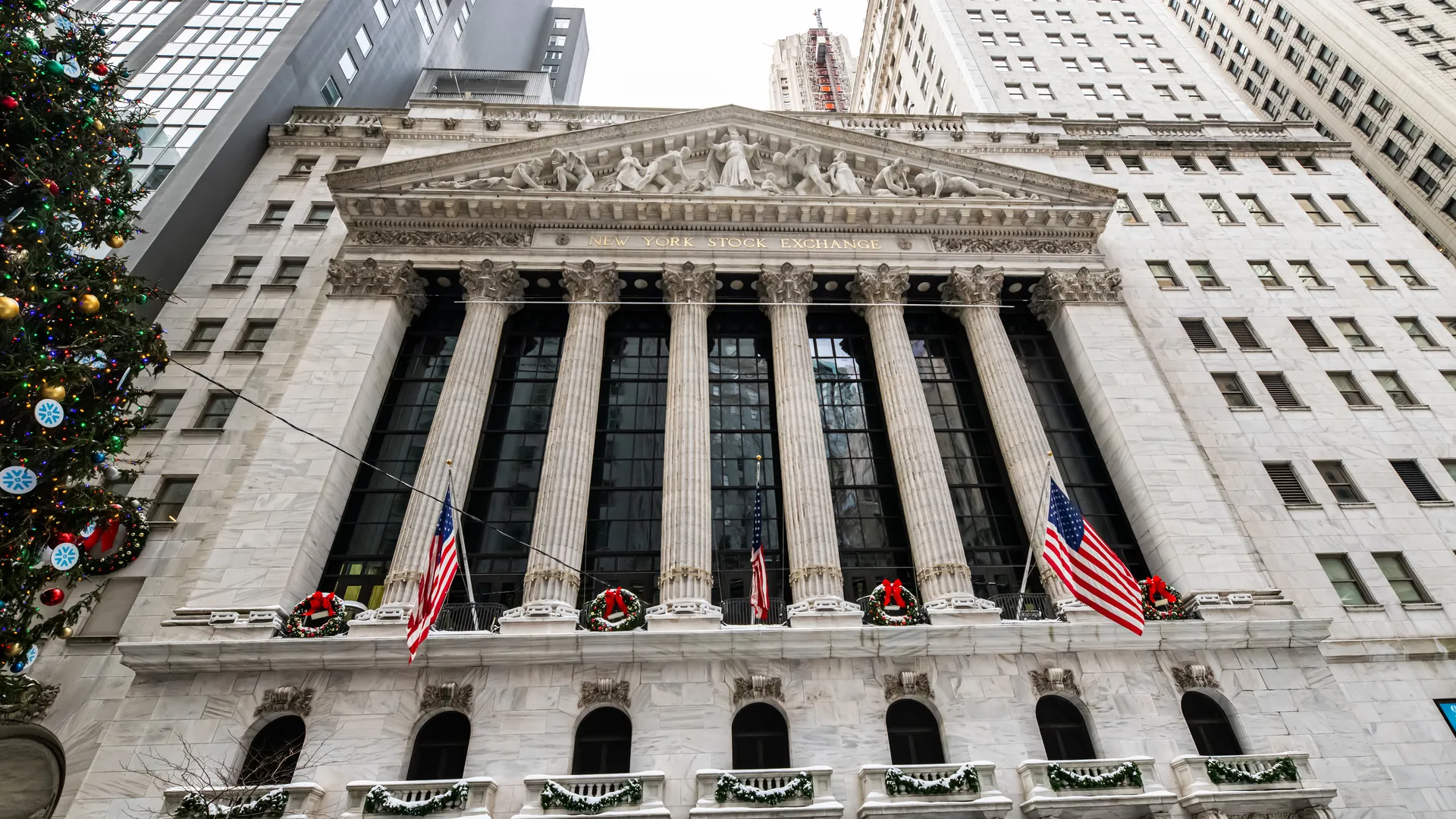
Top Wall Street hedge funds, including Bridgewater Associates, Tiger Global Management, and Discovery Capital, increased their exposure to Big Tech stocks in the second quarter, capitalizing on a generational surge in artificial intelligence.

Funds reduced their holdings in lagging sectors such as aerospace, defense, consumer, and retail, returning to momentum investing as tech stocks staged a strong comeback. The S&P 500 (.SPX) is up 10% this year, largely driven by the largest technology companies, which make up nearly a third of the index’s market capitalization.

Outside tech, hedge funds like Lone Pine, Discovery, and Soros Fund Management also added positions in UnitedHealth Group (UNH.N), while Berkshire Hathaway unveiled new stakes. UnitedHealth shares are down 46% this year amid rising costs, a DOJ probe, a cyberattack, and the shooting of a former executive.

Quarterly 13F filings revealed these key hedge fund moves:

BRIDGEWATER ASSOCIATES:

  • Added significantly to Nvidia (NVDA.O), Alphabet (GOOGL.O), and Microsoft (MSFT.O).

  • Nvidia stake more than doubled to 7.23 million shares ($1.14B).

  • Alphabet and Microsoft increased by 84.1% and 111.9%, respectively.

  • Added Broadcom (+102.7%) and Palo Alto Networks (+117%).

DISCOVERY CAPITAL:

  • Doubled stake in America Movil (AMXB.MX) to 2.65 million shares ($95M).

  • More than doubled Meta Platforms (META.O) holdings and took a new position in Nvidia-backed CoreWeave (CRWV.O).

  • Increased UnitedHealth stake by 13%.

TIGER GLOBAL MANAGEMENT:

  • Bought more shares in the “Magnificent Seven”: Amazon (AMZN.O), Alphabet, Nvidia, Microsoft, and Meta.

  • Added ~4M Amazon shares, ending June with 10M shares ($2.34B).

  • Increased stakes in smaller AI-related companies such as Lam Research (LRCX.O).

COATUE MANAGEMENT:

  • Added new positions in Arm Holdings and Oracle (ORCL.N), worth ~$750M and $843M.

  • Increased holdings in Nvidia-backed CoreWeave to 3.39M shares ($2.9B).

LONE PINE CAPITAL:

  • Took a new position in UnitedHealth, buying 1.69M shares worth ~$528M.

These moves illustrate a clear pivot toward technology and AI-driven growth opportunities by major hedge funds in the wake of market volatility and tariff concerns earlier this year.

Foxconn Sees AI Driving Growth as Q2 Profit Exceeds Forecast

Foxconn (2317.TW), the world’s largest iPhone assembler, reported second-quarter net profit of T$44.4 billion ($1.48 billion), surpassing the consensus estimate of T$38.8 billion, as strong demand for AI servers helped offset slower growth in smart electronics. The company on Thursday forecast a significant rise in third-quarter revenue, with AI server sales expected to jump more than 170% year-on-year.

Cloud and networking products, including servers, accounted for 41% of Q2 revenue, while smart consumer electronics contributed 35%. CEO Kathy Yang said, “AI has been the primary growth driver so far this year,” but cautioned that “close attention is needed due to the impact of changes in tariffs and exchange rates.”

Foxconn is increasing capital spending by more than 20% in 2025 to expand server production capacity at its facilities in Texas and Wisconsin. The company’s AI business benefits from rising demand as cloud computing giants such as Amazon (AMZN.O), Microsoft (MSFT.O), and Google (GOOGL.O) expand AI infrastructure.

Geopolitical uncertainty remains a risk, particularly from U.S.-China trade tensions, although a 90-day tariff truce has been extended. While most iPhones for Apple (AAPL.O) are assembled in China, production for the U.S. market has shifted mainly to India. Foxconn is also building factories in Mexico and Texas to manufacture AI servers for Nvidia (NVDA.O).

In its electric vehicle (EV) operations, Foxconn sold its former Lordstown, Ohio, factory for $375 million but will continue to occupy the site to produce cloud-related products. Initial production of its Model C EV for the U.S. market will take place in Taiwan.

Foxconn shares have risen 8.4% year-to-date, outperforming the broader Taiwan index (.TWII), which gained 5.2%, and closed up 0.5% on Thursday ahead of the earnings release.

Lenovo Views U.S.-China Tariff Pause as Positive Amid AI Growth

Chinese PC maker Lenovo (0992.HK) said Thursday that the recent tariff pause between the U.S. and China is a positive development and highlighted strong growth in China’s AI infrastructure despite ongoing tech tensions.

“The truce is a positive situation,” Lenovo CEO Yang Yuanqing told Reuters following the release of the company’s fiscal first-quarter results. “We feel better than the previous quarter — it brings more certainty rather than uncertainty.”

The U.S. and China have extended a tariff pause for another 90 days until November, avoiding triple-digit duties on each other’s goods and providing temporary relief to businesses.

Lenovo reported total revenue of $18.8 billion for the three months ending June 30, up 22% year-on-year and surpassing analysts’ forecast of $17.4 billion, according to LSEG data. Yang attributed the growth to strong AI demand across the company’s three main business segments, each of which achieved double-digit growth.

Despite a 30% U.S. levy on Chinese exports, including PCs, Lenovo’s CEO noted that the U.S. represents less than 20% of the company’s total revenue, and tariffs have so far had minimal impact thanks to Lenovo’s global manufacturing network. Net profit attributable to shareholders more than doubled year-on-year to $505 million, exceeding the consensus estimate of $307.7 million.

AI PCs represented over 30% of Lenovo’s PC shipments in the first quarter, while the AI server business surged 150% amid strong domestic demand. “We see a strong pipeline in AI servers,” Yang said.

China has recently advised major internet firms to be cautious when purchasing Nvidia H20 chips and to consider domestic alternatives, following the U.S. approval to resume H20 chip sales to China. Yang highlighted Lenovo’s investment in diversifying its supply chain and developing local component products to meet varied customer needs.

Lenovo shares dropped more than 3% in early trading Thursday, underperforming the Hang Seng Index, which rose 0.4%. However, the stock has gained 15% over the past three months, outpacing the benchmark.