Yazılar

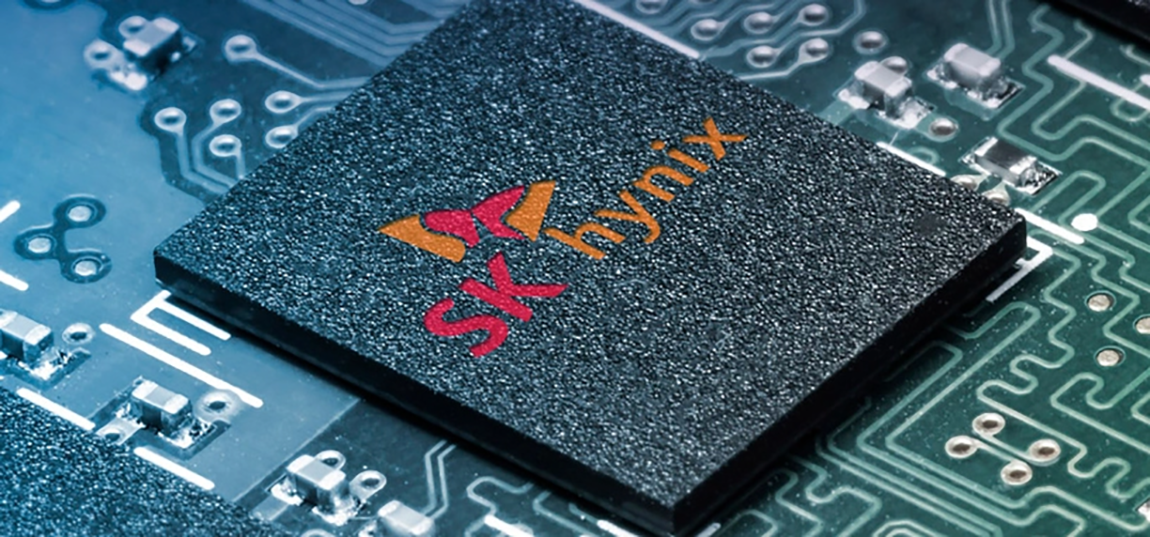
SK Hynix Reports Early Orders Ahead of Potential US Tariffs

South Korean memory chipmaker SK Hynix announced on Thursday that some customers have accelerated their orders in anticipation of potential US tariffs on semiconductors. Speaking at the company’s annual shareholder meeting, Lee Sang-rak, Head of Global Sales and Marketing, attributed recent favorable market conditions to this “pull-in” effect and reduced customer inventory levels. However, he cautioned that it remains uncertain whether this trend will continue.

In January, SK Hynix projected a 10%-20% drop in DRAM and NAND flash memory shipments for Q1 2024. However, demand from the AI sector has contributed to price increases by competitors such as Micron, SanDisk, and China’s YMTC. Reports suggest that fears of impending US semiconductor tariffs, potentially reaching 25%, have led to increased inventory transfers to the US.

Despite concerns about AI hardware spending, SK Hynix remains optimistic about explosive growth in high bandwidth memory (HBM) chip demand, especially as a key supplier to Nvidia. CEO Kwak Noh-Jung confirmed that HBM sales for 2025 have already been fully booked, with negotiations for 2026 volume expected to conclude in the first half of this year.

RBC Bets on AI for Growth Amid Trade Uncertainty

Royal Bank of Canada (RBC, RY.TO) is set to generate C$700 million to C$1 billion from its AI investments by 2027, CEO Dave McKay revealed at the bank’s first investor day since 2018. The revenue will come from business growth and technology cost savings, underscoring AI’s crucial role in RBC’s expansion strategy.

AI-Driven Innovation

McKay highlighted how generative AI can enhance employee capabilities, improve customer service, and automate key processes. RBC is utilizing Nvidia (NVDA.O) chips to create AI-powered avatars capable of engaging personal banking clients and offering product insights.

Growth Targets & Market Expansion

Despite trade uncertainties and potential tariff disruptions, RBC remains committed to achieving a 16% return on equity by 2027. The bank aims to:

  • Expand globally in capital markets and wealth management

  • Increase its U.S. market share, competing with Wall Street giants like JP Morgan

  • Strengthen personal banking and wealth segments in Canada

Challenges Ahead

RBC executives acknowledged that tariff-related uncertainties may slow corporate investment. However, they emphasized that long-term growth strategies remain unchanged.

RBC’s stock was down 0.9% in Toronto during afternoon trading.

European Investors Demand AI Results by 2025 or Risk Losing Patience

European investors, while optimistic about the potential of generative AI to boost productivity and profits, are growing impatient with companies that have yet to show tangible returns on their significant investments in the technology. Many are becoming more selective, shifting focus from hardware suppliers to firms that are adopting AI solutions, such as RELX and SAP. However, the pressure is mounting for these adopters to demonstrate clear financial gains from their AI investments by next year.

The AI Boom and Shifting Investor Preferences

AI-exposed stocks, which had enjoyed a surge of interest, have been under pressure recently, particularly due to fears of a recession and the rise of low-cost Chinese AI models, such as DeepSeek. Despite the broader market challenges, Nvidia, a key player in the AI space, has seen a 29% increase in its stock price year-over-year, even amid the rollout of DeepSeek, which reduces reliance on expensive chips like Nvidia’s.

In Europe, the trend is evident as investors move away from hardware makers, with stocks like ASM International and BE Semiconductor down 25% and 20%, respectively, since the January sell-off. On the other hand, companies adopting AI, such as LSEG and SAP, have shown more resilience, with only modest declines in their stock prices.

Investor Patience Running Thin

Despite the growing interest in AI, an internal survey by Fidelity in January revealed that 72% of analysts did not expect AI to significantly impact the profitability of the companies they cover by 2025. Many European portfolio managers are adopting a shorter timeframe, warning that companies need to start delivering visible results by 2026 to justify their AI investments.

Steve Wreford, lead portfolio manager at Lazard Asset Management, emphasized that investors will be more forgiving of AI adopters in 2025, when many companies are still in the beta testing phase. However, by 2026, these companies must show a significant impact on their revenues, or investors will begin to lose patience.

The Risk of Overhyped Expectations

The current high valuations of AI-exposed stocks, including SAP and LSEG, which trade at significantly higher price-to-earnings multiples compared to the broader market, only add to the pressure. Analysts like Bernie Ahkong of UBS O’Connor warn that investors will begin questioning these premiums if substantial returns are not seen by the end of 2025.

One of the key concerns in AI investments, as noted by Paddy Flood of Schroders, is whether viable, profitable use cases for AI will emerge. To sustain investment in the sector, concrete applications of AI must be developed—whether in the form of a single “killer” use case or multiple impactful ones. Fabio di Giansante of Amundi, Europe’s largest asset manager, echoed this sentiment, stressing that AI companies need to demonstrate real benefits in terms of top-line growth and margin improvement.

Looking Ahead

With AI stocks trading at premium valuations, 2025 could be a pivotal year. If companies fail to show a tangible impact from their AI investments, it could prompt a reassessment of their valuations. As the market waits for concrete results, the pressure is on AI adopters to deliver on the high expectations that have been set.