Yazılar

Libya’s Power Struggles Threaten Oil Production and Market Stability

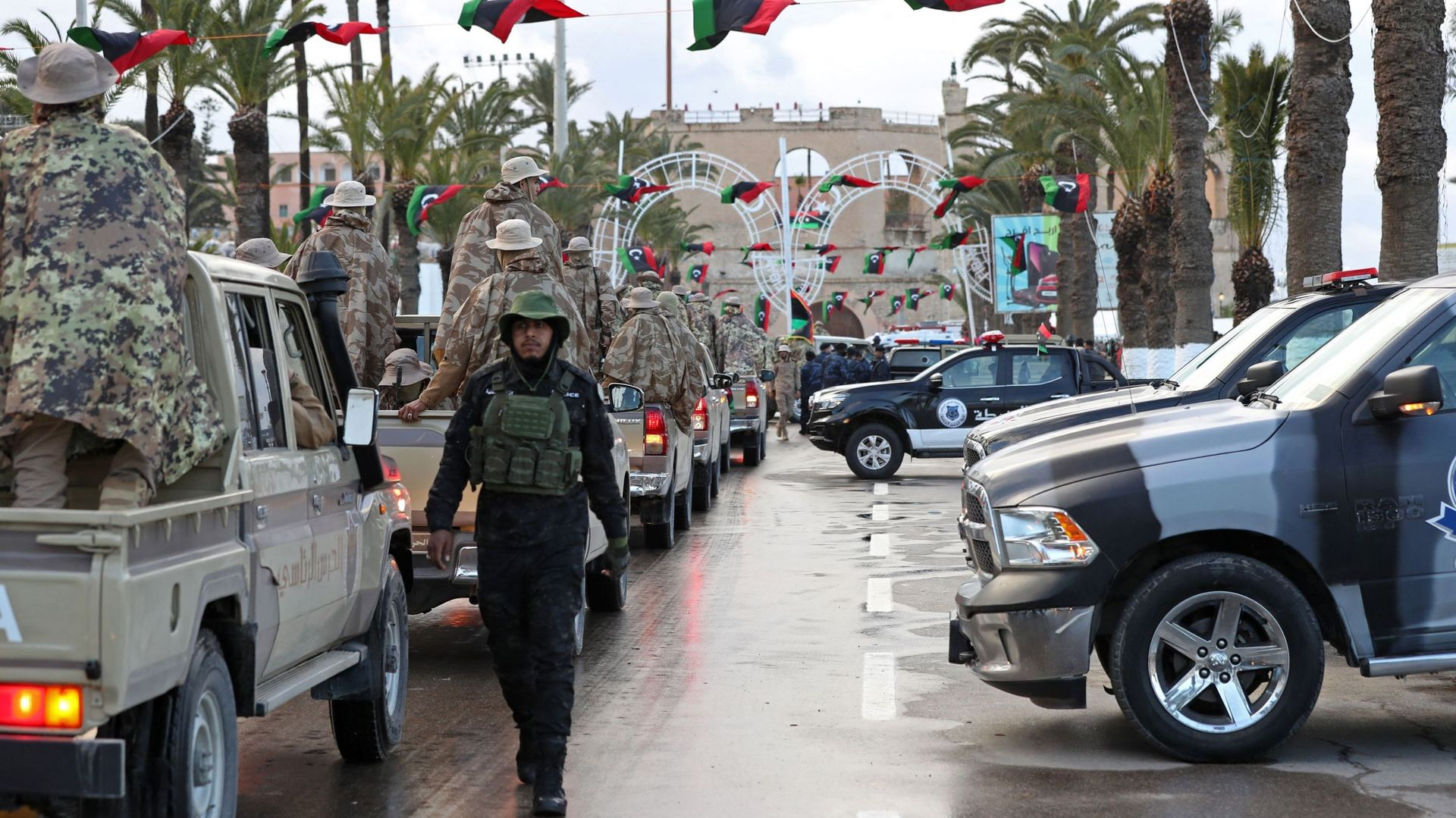
Libya’s ongoing political divisions are threatening to once again disrupt its crucial oil sector, raising questions about the sustainability of its oil price support. The North African country is grappling with internal conflicts between the internationally recognized Tripoli government led by Abdul Hamid Dbeibah and the rival eastern Benghazi-based administration, supported by the House of Representatives. Additionally, eastern warlord Khalifa Haftar controls much of Libya’s oil infrastructure.

Recent tensions have escalated over oil revenue disputes. Dbeibeh’s attempt to remove Central Bank Governor Sadiq al-Kabir led the Benghazi administration to order the shutdown of oilfields. Libya’s National Oil Corporation (NOC) has yet to officially address these closures, but its subsidiary Waha Oil has indicated that protests and pressures may lead to production halts. Similarly, Sirte Oil has reported reduced production and called for intervention to maintain output.

Libya’s largest oil field, El Sharara, which produces 300,000 barrels per day, was shut down in early August due to protests. The NOC declared force majeure on El Sharara’s exports, and since then, production of the major crude grade Es Sider has declined, with several other fields also facing reductions or closures.

Libya, a member of OPEC, saw its crude production at 1.18 million barrels per day in July, but analysts forecast that up to 900,000 barrels per day could be offline soon. Disruptions are expected to last several weeks, with significant impacts on the Oil Crescent region.

Despite initial oil price gains on the news, market responses have been mixed. Prices for Brent crude and WTI have fluctuated, with Brent trading at $78.42 per barrel and WTI at $74.31 per barrel as of Wednesday. Analysts, including those from Rystad Energy and Goldman Sachs, believe that the disruptions may be short-lived due to the incentives for both Libyan parties to resolve the conflict quickly.
 

Abu Dhabi Aims to Become a Climate Tech Hub

Abu Dhabi is leveraging its oil wealth to support startups focused on climate solutions, despite not reducing its oil dependency. In April, Abu Dhabi’s Hub71 launched its first decarbonization technology program, supporting five startups in sectors like energy and aquaculture. Hub71 CEO Ahmad Ali Alwan highlighted the UAE’s commitment to the climate agenda, aiming to enable and commercialize innovative solutions.

The UAE, committed to net zero carbon emissions by 2050, has invested heavily in renewable energy and carbon reduction technologies, restoring 6,400 hectares of carbon-absorbing mangroves. Hub71 now hosts around 20 climate tech startups, with applications for its programs doubling. A new cohort will be announced later this year.

Despite oil production comprising 46% of Abu Dhabi’s economy, the UAE is pushing for higher production quotas within OPEC. State-owned Adnoc aims to increase oil output to five million barrels per day by 2027, investing $150 billion to meet this goal.

Critics question Abu Dhabi’s commitment to decarbonization due to its oil dependence. However, experts like Patricia Keating from PwC Middle East believe the city is planning for a sustainable, diversified economy, positioning itself as a leading climate tech cluster in the region. Abu Dhabi’s ecosystem includes venture capitalists, investment funds, and corporates needing to decarbonize, providing an edge in the climate tech space.

The latest Hub71 cohort includes startups focusing on reducing emissions in oil and gas plants and mitigating gas flaring. Swedish spin-off Graphmatech, using graphene technology to enhance hydrogen sustainability, has been attracted by Abu Dhabi’s financial support. Green hydrogen, produced using renewable energy, is seen as crucial for decarbonizing sectors like heavy industry and transport.

The UAE aims to be a top hydrogen producer by 2031, using renewable, nuclear, and fossil fuel sources with carbon capture. Projects like Masdar and Emirates Steel Arkan’s green hydrogen steel production pilot are underway. Graphmatech’s technology, reducing hydrogen leakage by up to 85%, is being discussed with key stakeholders in Abu Dhabi.

Companies like Adnoc, Siemens Energy, and TAQA are backing the Hub71 program, offering funding and pilot program commitments, making Abu Dhabi a test bed for climate technologies.