Yazılar

Oracle Shares Hit Record High as AI Cloud Demand Boosts Revenue Outlook

Oracle shares surged 14% on Thursday, crossing the $200 mark for the first time, after the company raised its annual revenue forecast fueled by strong demand for its AI-related cloud services.

Despite ongoing geopolitical tensions and warnings from analysts about potential impacts of U.S. President Donald Trump’s tariffs on Big Tech’s AI investments, confidence in the software sector remains robust.

Oracle recently announced a joint venture called Stargate aimed at providing large-scale computing power to OpenAI, positioning itself as a key player in AI infrastructure.

Michael Ashley Schulman, partner at Running Point Capital Advisors, described Oracle’s transformation as moving from a “stodgy” image to a “cloud-native mage” competing in a fiercely contested market.

For fiscal 2026, Oracle expects total revenue to reach at least $67 billion, according to CEO Safra Catz during a post-earnings call.

The company reported cloud services quarterly revenue growth of 14% to $11.7 billion, with overall revenue of $15.9 billion surpassing estimates of $15.59 billion. Following these results, at least nine brokerages have raised their price targets.

Oracle’s forward price-to-earnings ratio stands at 25.86, lower than rivals Microsoft’s 31.34 and Amazon’s 31.80. Year-to-date, Microsoft’s stock has risen 12.16%, while Amazon’s has fallen 2.8%.

Analysts at Piper Sandler noted that Oracle is experiencing a wave of enterprise popularity unseen since the internet boom of the late 1990s.

At the close, Oracle shares were trading at $201.38.

Adobe Raises Annual Forecasts on Strong Demand for AI-Powered Creative Tools

Adobe has raised its full-year revenue and profit forecasts, driven by steady demand for its AI-powered software tools that assist in generating images and video content. The company, known for flagship products like Photoshop and Premiere Pro, continues to innovate in the creative software market.

Despite a sluggish first quarter affected by budget constraints and project delays amid broader economic uncertainties, analysts at Jefferies noted signs of recovery in the second quarter as clients resumed delayed projects. This momentum supports Adobe’s confidence in reaching its growth targets.

For fiscal 2025, Adobe now expects revenue between $23.50 billion and $23.60 billion, up from a previous forecast of $23.30 billion to $23.55 billion. Adjusted earnings per share are projected between $20.50 and $20.70, an increase from the earlier range of $20.20 to $20.50.

Finance Chief Dan Durn highlighted ongoing investments in AI innovation to enhance customer value and expand Adobe’s user base.

Adobe’s AI-driven tools, notably the Firefly app launched in 2023, enable users to create and edit visual content from simple text prompts. Firefly uses ethically sourced training data to ensure brand safety and copyright compliance.

The company is also integrating AI image-generation models from OpenAI and Google into Firefly, further enhancing its creative capabilities.

Adobe reported second-quarter revenue of $5.87 billion, surpassing analyst expectations of $5.79 billion, and also provided a third-quarter outlook that exceeded estimates.

Mattel Partners with OpenAI to Launch First AI-Powered Toy This Year

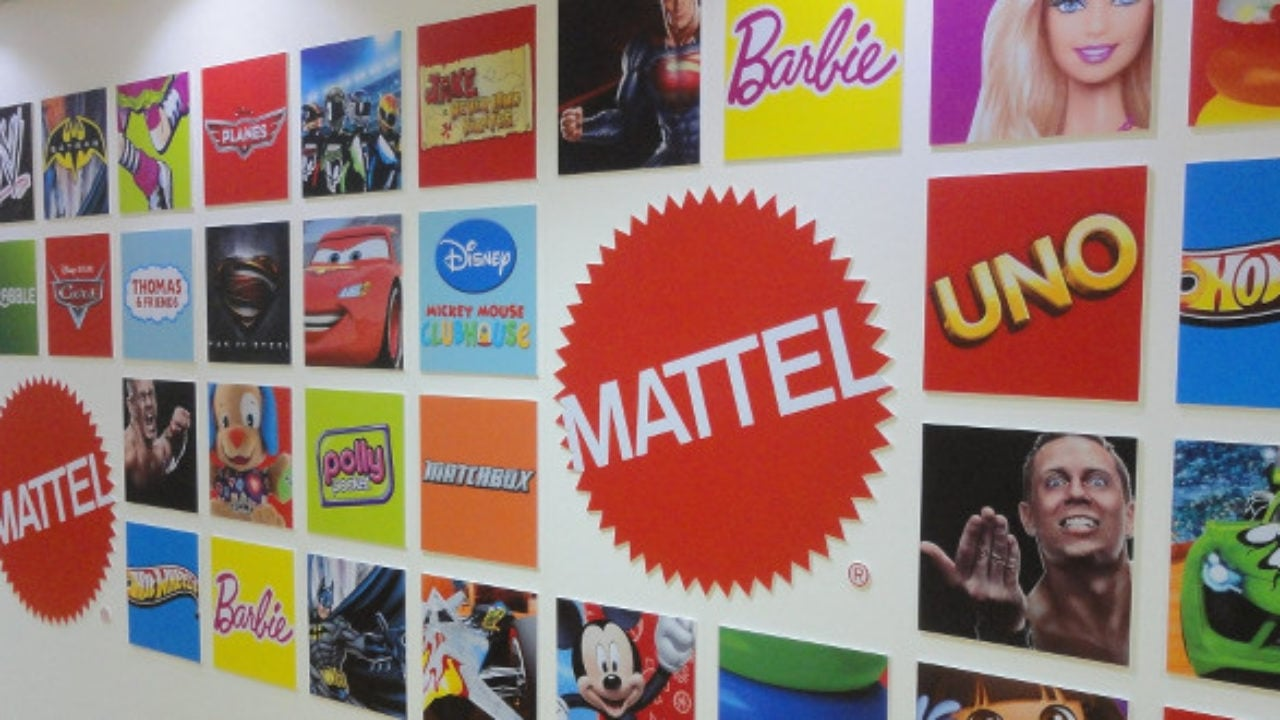
Mattel, the maker of Barbie, Hot Wheels, and Uno, announced on Thursday a partnership with OpenAI to develop toys and games powered by artificial intelligence. The company aims to launch its first AI-enhanced product before the end of 2025.

The collaboration seeks to “bring the magic of AI to age-appropriate play experiences,” focusing on innovation while maintaining strong privacy and safety standards. In addition to consumer products, Mattel plans to integrate OpenAI’s advanced AI tools, including ChatGPT Enterprise, into its business operations to boost creativity, productivity, and transformation across the company.

OpenAI’s Chief Operating Officer Brad Lightcap emphasized that the partnership provides Mattel with access to sophisticated AI capabilities to help drive product innovation and company-wide efficiency.

The move comes amid a period of muted demand for toys, as consumers tighten spending due to economic uncertainties linked to shifting U.S. trade policies. To counter a slowdown in its traditional toy business, Mattel has increasingly relied on films, TV shows, and mobile games based on its iconic brands.

In response to rising supply chain costs, Mattel recently withdrew its annual financial forecast and announced plans to raise prices on select products sold within the U.S.