Yazılar

AI Leaders Urge U.S. to Boost Exports and Infrastructure to Stay Ahead of China

Top executives from OpenAI, Microsoft, and AMD warned U.S. lawmakers on Thursday that the country risks losing its lead in artificial intelligence to China unless it expands infrastructure, loosens AI chip export restrictions, and strengthens workforce training. Their testimony before the U.S. Senate Commerce Committee, chaired by Senator Ted Cruz, emphasized the urgent need for pro-growth AI policies to counter China’s rapid advancements.

The call to action follows China’s DeepSeek AI breakthrough last year and Huawei’s rollout of advanced AI chips, both of which have shaken Washington’s confidence in maintaining AI dominance.

The number-one factor that will define whether the U.S. or China wins this race is whose technology is most broadly adopted in the rest of the world,” said Brad Smith, President of Microsoft. He added that Microsoft has banned internal use of DeepSeek due to data privacy and propaganda concerns.
The lesson from Huawei and 5G is that whoever gets there first will be difficult to supplant.”

Key Takeaways from the Senate Hearing:

  • OpenAI CEO Sam Altman emphasized the need for massive infrastructure investment, including data centers and power generation, to fuel AI’s growth.

  • AMD CEO Lisa Su highlighted the importance of maintaining competitiveness in AI chip design while also ensuring export flexibility.

  • Smith called for broader AI education, R&D funding, and skilled labor development, including more electricians for AI facilities.

The tech industry is pushing back against Biden-era AI export rules that aimed to limit China’s access to powerful AI chips. In response, the Trump administration is preparing to rescind those curbs and replace them with a new framework — a move praised by Cruz, Altman, and Su during the session.

The Biden administration’s misguided midnight AI diffusion rule on chips and model weights would have crippled American tech companies’ ability to sell AI to the world,” Cruz said.

China’s DeepSeek, based in Hangzhou, made waves by launching a powerful, cost-effective AI model competitive with OpenAI and Meta — a move that intensified pressure on U.S. lawmakers to act quickly.

Meanwhile, Huawei is preparing to mass-ship advanced AI chips to Chinese customers despite ongoing U.S. trade restrictions.

With national security, economic leadership, and technological supremacy at stake, AI executives stressed that global market penetrationnot just technical capability—will determine who wins the AI race.
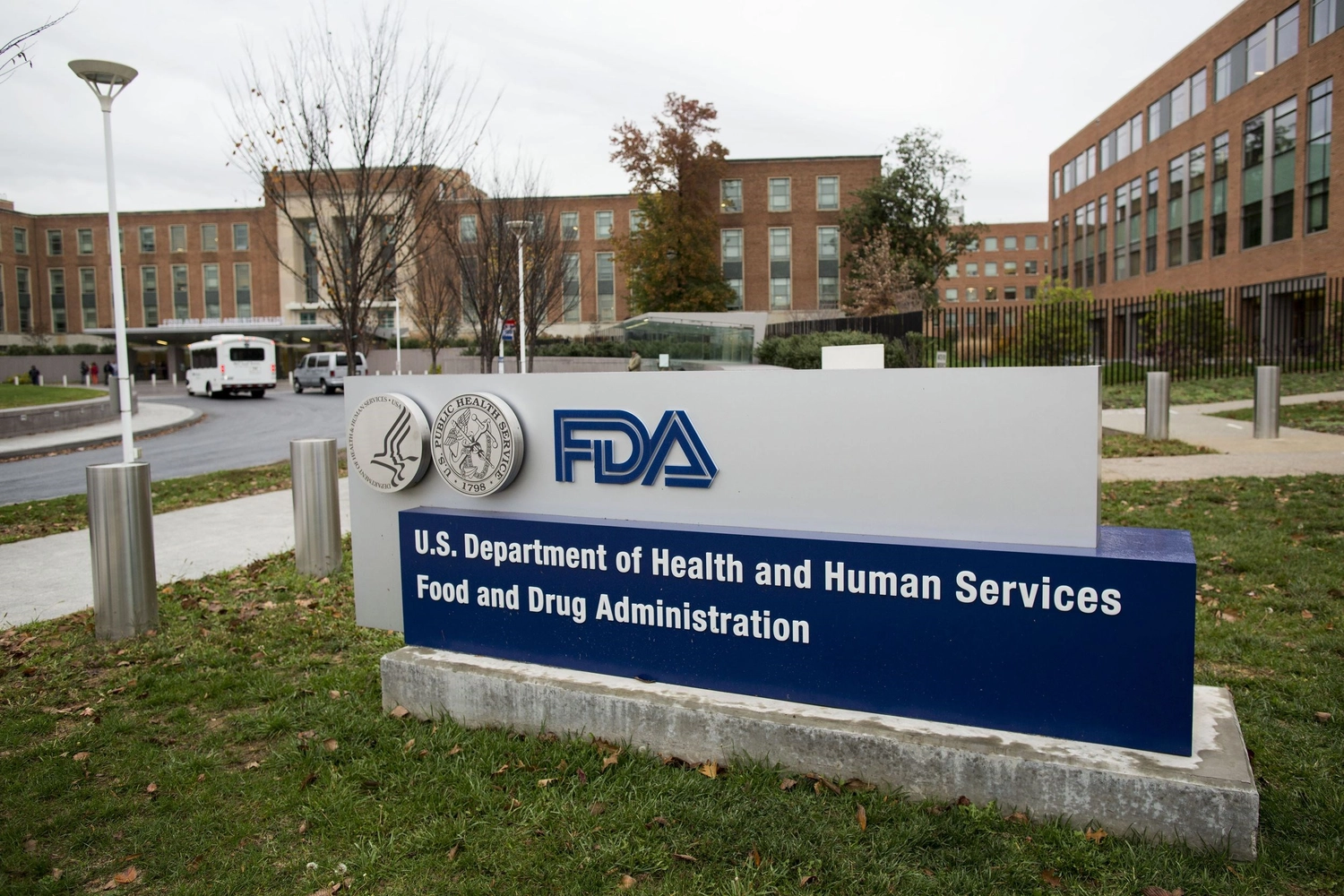
U.S. FDA to Roll Out AI Tools Across All Centers Following Successful Pilot

The U.S. Food and Drug Administration (FDA) announced it will immediately begin deploying artificial intelligence tools internally across all of its centers, with full integration expected by June 30. The move follows a successful generative AI pilot aimed at supporting scientific reviewers in accelerating the drug review process.

WHY IT MATTERS:
The FDA typically has 6 to 10 months to evaluate a drug approval application. The newly tested generative AI tools are designed to ease the burden on scientists by automating repetitive and time-consuming tasks, thereby streamlining the overall review process and potentially speeding up access to life-saving treatments.

In a statement, the agency emphasized that the focus of future AI enhancements would be on usability, better document integration, and center-specific output customization — all while upholding strict data security and FDA compliance standards.

KEY QUOTE:
Future enhancements will focus on improving usability, expanding document integration and tailoring outputs to center-specific needs, while maintaining strict information security and compliance with FDA policy,” the FDA said.

CONTEXT:
The announcement comes just a day after Wired reported that the FDA had been in discussions with OpenAI, the maker of ChatGPT, regarding potential AI collaborations. The report also mentioned that representatives from Elon Musk’s Department of Government Efficiency had attended multiple meetings with both the FDA and OpenAI in recent weeks.

WHAT’S NEXT:
The FDA plans to monitor the system’s performance closely, solicit feedback from its users, and refine the tools accordingly. The agency has committed to releasing more information about the AI implementation and its outcomes in June.

This marks one of the most significant government-level adoptions of generative AI to date and could signal a broader shift toward AI-assisted regulatory workflows in the healthcare and pharmaceutical sectors.

Instacart CEO Fidji Simo Joins OpenAI as Chief of Applications

Fidji Simo, CEO of Instacart and former head of Facebook, will join OpenAI later this year as its new Chief of Applications, according to OpenAI CEO Sam Altman. Simo will report directly to Altman, who retains his role at the top of the Microsoft-backed AI company.

Key Developments:

  • Leadership Transition: Simo will step down from her CEO role at Instacart, but will remain Chair of the Board to assist with a smooth transition. A new CEO, expected to be an internal promotion, will be announced shortly, Simo said in an email to employees.

  • New Role at OpenAI: As Chief of Applications, Simo will oversee the development of consumer-facing products, including ChatGPT, and will play a pivotal role in expanding OpenAI’s product ecosystem.

  • Board Connection: Simo joined OpenAI’s board in March 2023, shortly after Sam Altman was reinstated following a dramatic ouster and return in late 2023.

  • Instacart Performance: Simo has led Instacart since 2021, taking the company public in September 2023 and steering it to profitability. The firm recently issued an upbeat forecast, citing strong demand in online grocery delivery.

  • Tech Background: Before Instacart, Simo spent over a decade at Meta, serving as head of Facebook from 2019 to 2021, and currently sits on Shopify’s board.

OpenAI’s move to hire Simo comes just days after the company reaffirmed its nonprofit governance structure, dampening Altman’s push for more direct control while preserving investor confidence in its commercial trajectory.