Yazılar

AI Chip Startup Positron Raises $23.5 Million to Challenge Nvidia

Positron, a startup aiming to rival Nvidia in the artificial intelligence (AI) chip market, announced on Tuesday that it has raised $23.5 million in a seed funding round. Investors in the round included Valor Equity Partners, known for its support of Elon Musk’s ventures, along with Atreides Management, Flume Ventures, and Resilience Reserve.

Focus on Efficiency and Inference:

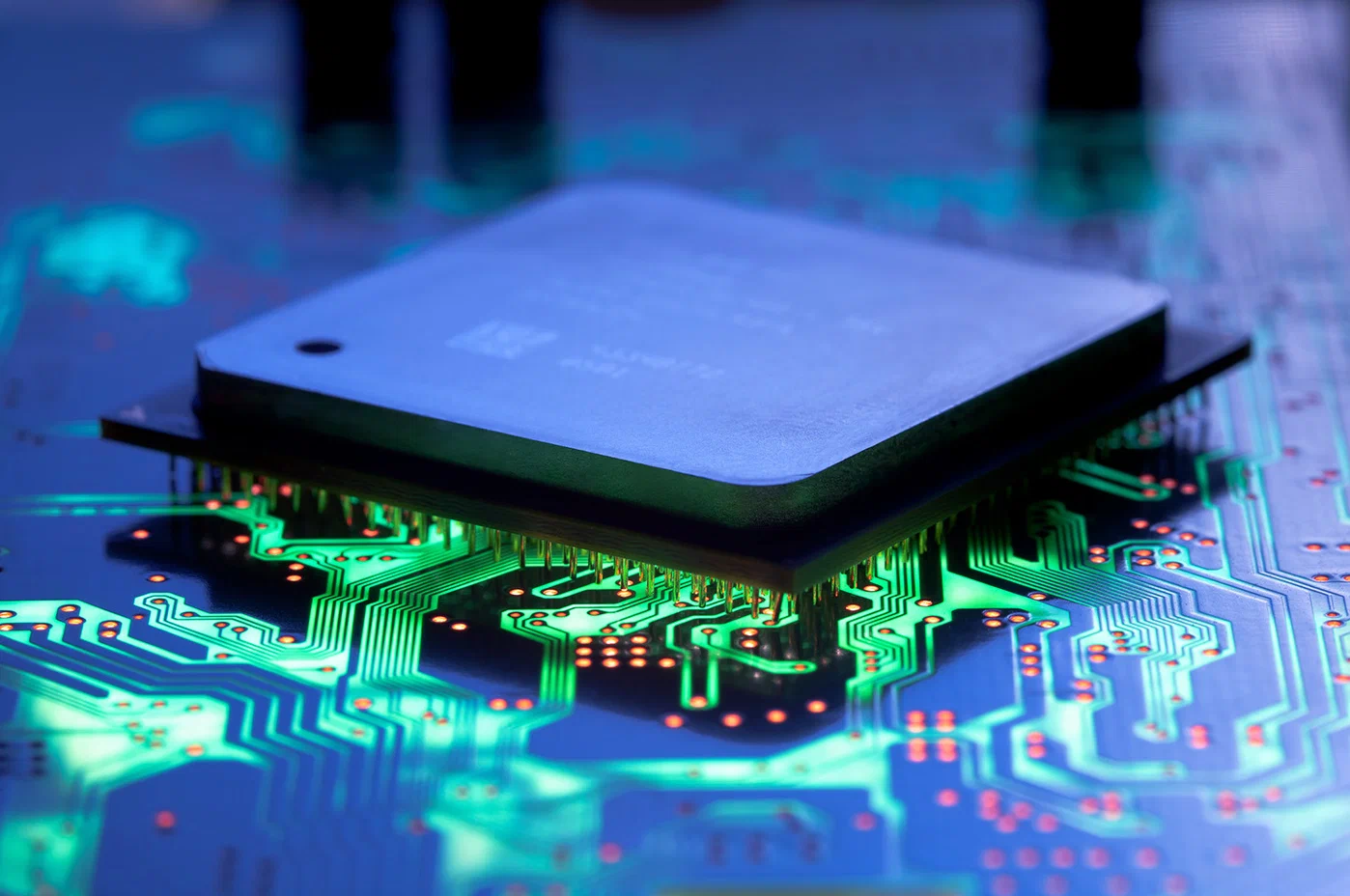
Positron’s chips are manufactured in Arizona and are designed to use less than a third of the power of Nvidia’s leading H100 graphical processing units (GPUs) while offering similar performance. The company’s chips are specifically intended for AI inference, the phase where AI models are utilized, as opposed to training the models. Although demand currently leans toward training chips, analysts forecast that the need for inference chips will rise as more AI applications are developed.

Industry Shift and Rising Costs:

With major players like OpenAI, Google, and Meta investing heavily in AI infrastructure, the demand for chips is expected to grow significantly. Meta, for example, has pledged to spend up to $65 billion this year, while Microsoft plans to invest $80 billion. OpenAI also announced a $500 billion Stargate infrastructure project. Despite Nvidia’s dominance, holding around 80% of the market, rising costs and concerns about over-reliance on a single supplier have pushed companies such as Microsoft, Meta, and OpenAI to seek alternative solutions, both in-house and externally.
Elon Musk-Led Group Makes $97 Billion Bid for Control of OpenAI

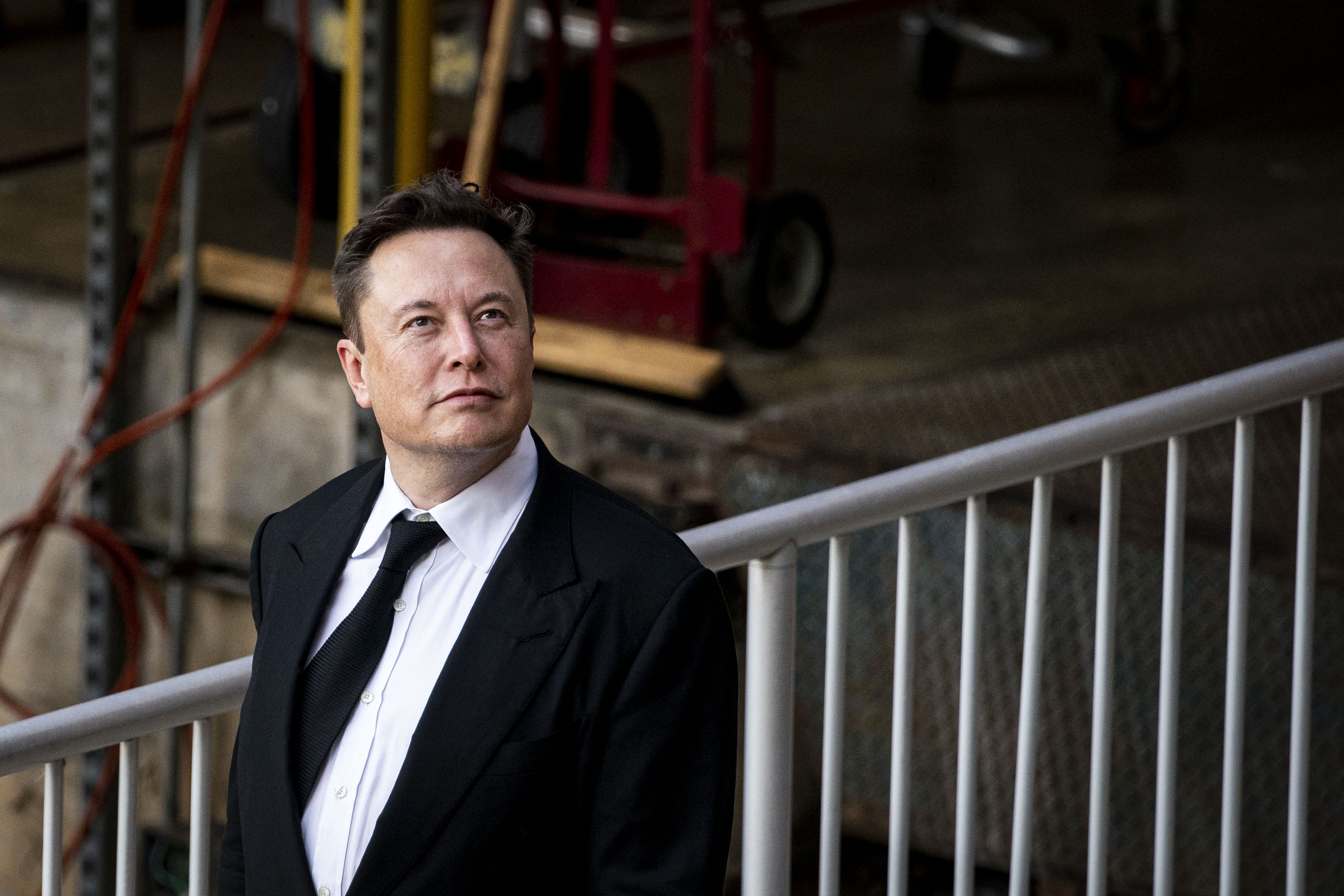
Elon Musk and a consortium of investors have presented a $97.4 billion offer to acquire OpenAI’s nonprofit parent company, escalating tensions with OpenAI CEO Sam Altman. Musk’s bid comes as part of his ongoing efforts to prevent OpenAI from transitioning into a for-profit entity, which it claims is necessary to secure sufficient funding for advanced AI model development.

Background:

Musk co-founded OpenAI in 2015 alongside Altman, initially as a nonprofit organization. However, Musk departed from the company before it gained significant traction and later established a rival AI venture, xAI, in 2023. Recently, OpenAI has been working to convert into a for-profit company to attract the capital needed to remain competitive in the AI space.

Musk, known for his leadership at Tesla and his ownership of X (formerly Twitter), has strongly opposed this shift, arguing that it prioritizes profits over the public good. In a lawsuit filed in August 2023, Musk claimed that OpenAI’s move toward a for-profit model violated its original mission to develop AI for the benefit of humanity. He has since attempted to block this transition in court.

Musk’s Offer:

Musk’s $97.4 billion bid is designed to challenge OpenAI’s current direction and potentially block its move to for-profit status. His consortium includes his own startup xAI, Baron Capital Group, Emanuel Capital, and others. A merger between xAI and OpenAI has also been suggested as part of the deal.

While the offer has made headlines, OpenAI’s board, along with CEO Sam Altman, has firmly rejected the proposal. Altman communicated to staff that OpenAI is not for sale and has no interest in Musk’s bid, emphasizing that the company intends to proceed with its transition into a for-profit entity.

Financial Implications:

OpenAI was valued at $157 billion in its last funding round, cementing its position as one of the most valuable private companies globally. SoftBank is reportedly in talks to lead a funding round that could value OpenAI at $300 billion, including new capital. However, Musk’s offer, backed by prominent investors, adds complexity to OpenAI’s fundraising efforts and the conversion process.

Musk’s wealth, primarily tied to Tesla and SpaceX, could provide the financial backing for the deal, though it may require him to liquidate part of his holdings or take out loans against his assets.

Legal and Corporate Governance Concerns:

Jonathan Macey, a corporate governance expert, expressed concern that the bid could complicate OpenAI’s nonprofit status. OpenAI’s board is tasked with ensuring the company’s mission remains intact, and they may be legally obligated to consider Musk’s bid if it’s deemed to be in the best interest of the organization.

Analysts, including Gil Luria from D.A. Davidson, suggested that Musk’s offer could disrupt OpenAI’s current fundraising strategy and call into question any existing offers, such as the potential investment from SoftBank.

OpenAI Set to Finalize First Custom Chip Design This Year

OpenAI is advancing toward its goal of reducing its reliance on Nvidia by finalizing the design of its first in-house artificial intelligence (AI) chip, sources familiar with the matter told Reuters. The company plans to send its first custom-designed chip for fabrication at Taiwan Semiconductor Manufacturing Co. (TSMC) in the coming months, marking a significant step toward mass production, which is expected to begin in 2026.

The process, referred to as “taping out,” involves sending the chip design to a factory for production. While the initial tape-out can cost tens of millions of dollars and take six months for completion, there’s no guarantee the first version of the chip will be successful. If issues arise, OpenAI would need to diagnose and repeat the tape-out process, which can delay production further.

OpenAI views this chip development as a strategic move to enhance its negotiating position with other chip suppliers. The company’s engineers plan to build upon this initial design, creating increasingly advanced processors with broader capabilities for future iterations. If the first tape-out is successful, OpenAI aims to test its custom AI chip as a potential alternative to Nvidia’s chips later this year.

OpenAI’s in-house team, led by Richard Ho, who joined from Google’s custom AI chip program, is collaborating with Broadcom to design the chip. Despite being a smaller team compared to those at tech giants like Google and Amazon, OpenAI’s chip development is progressing at a remarkable pace, outpacing the years-long efforts of other companies in the space.

Currently, Nvidia dominates the AI chip market with an 80% share, but the increasing costs and reliance on a single supplier have prompted major companies, including OpenAI, to explore alternatives. OpenAI’s custom chip is designed to train and run AI models and will initially be deployed on a limited scale. The chip will be manufactured using TSMC’s advanced 3-nanometer process technology and will feature systolic array architecture, high-bandwidth memory (HBM), and extensive networking capabilities—similar to Nvidia’s chips.

While the first chip is expected to play a limited role within OpenAI’s infrastructure, the company plans to expand its AI chip program in the future. To match the scale of Google or Amazon’s AI chip programs, OpenAI would need to expand its engineering team significantly.