Yazılar

Musk Seeks Auction of OpenAI Stake Through State Attorneys General

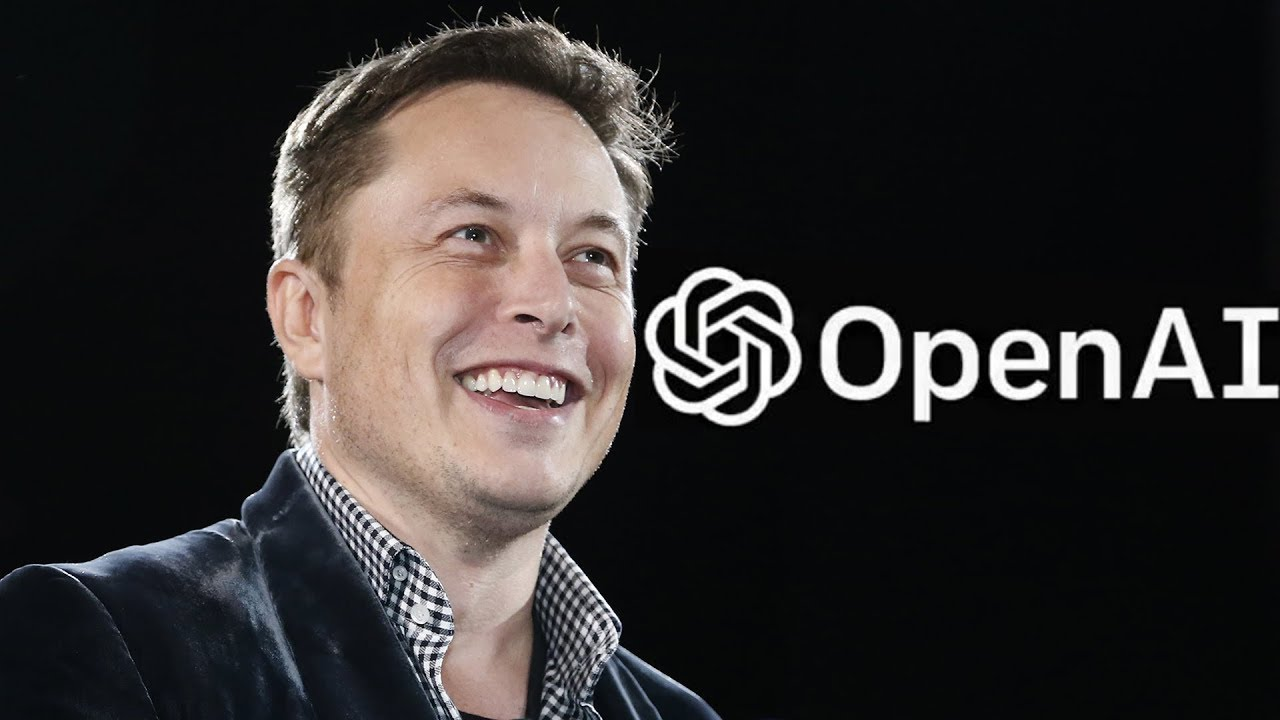
Elon Musk has asked the attorney generals of California and Delaware to facilitate an auction of OpenAI’s stake to establish the fair market value of its charitable assets during the company’s ongoing corporate restructuring. The request was made through a letter sent by Musk’s attorney, Marc Toberoff, on Tuesday, urging the states to implement a competitive bidding process to ensure the protection of public interests, as OpenAI works to distance its non-profit control.

Musk’s move comes amid OpenAI’s plans to convert into a public benefit corporation and separate its for-profit business from its charitable structure. OpenAI has stated that the valuation of its assets will be handled by independent financial advisors, despite Musk’s push for a more open bidding process.

Sam Altman, who co-founded OpenAI with Musk, helped propel the company into the limelight with the release of the ChatGPT AI tool in 2022. Backed by Microsoft, OpenAI was valued at $157 billion after raising $6.6 billion in investment. However, Musk, who owns the AI startup xAI, is challenging OpenAI’s conversion through legal means, arguing that it contradicts the original mission he had funded the company for. The court is expected to make a ruling later this month on Musk’s preliminary injunction.

In December, Delaware Attorney General Kathy Jennings filed an amicus brief, indicating her office’s scrutiny of OpenAI’s restructuring plans, while California’s Attorney General Rob Bonta has yet to make any public comments on the case. Musk’s legal efforts are supported by the AI safety group Encode, which has joined the push to block the transition, raising concerns about potential fiduciary violations.
 

US Supports Musk’s Argument in Lawsuit Against OpenAI

U.S. antitrust regulators have weighed in on Elon Musk’s lawsuit seeking to block OpenAI’s transition into a public company, reinforcing his claims that OpenAI and Microsoft engaged in anticompetitive practices. Although the Federal Trade Commission (FTC) and the Department of Justice (DOJ) did not express a direct opinion on the lawsuit, they provided legal analysis that backs Musk’s argument ahead of a crucial hearing in Oakland, California.

Musk, who co-founded OpenAI and owns AI startup xAI, alleges that OpenAI violated antitrust laws by requiring investors to avoid funding rival artificial intelligence companies and by sharing board members with Microsoft, which is also named in the lawsuit. The lawsuit asserts that these actions harmed competition in the AI market.

In response, OpenAI dismissed the lawsuit, claiming that Musk’s allegations lack evidence and are merely harassment. The company also argued that the claims regarding board member affiliations were irrelevant, as two former Microsoft-affiliated board members—Reid Hoffman and Deannah Templeton—are no longer associated with OpenAI.

However, the FTC and DOJ emphasized that even former board members could still possess sensitive competitive information, which could have implications for antitrust law violations. The authorities also stated that a group investor boycott, as Musk alleges, could be illegal even if the organizer was not a direct investor, reinforcing Musk’s claims of anticompetitive conduct.

The FTC is currently investigating partnerships in AI, including the collaboration between OpenAI and Microsoft, to determine if there have been violations of antitrust or consumer protection laws.

Nvidia Faces Setbacks as Major Customers Delay Orders of Latest AI Racks Due to Overheating Issues

Nvidia is encountering challenges with its new ‘Blackwell’ AI racks, with major customers delaying their orders due to overheating issues, as reported by The Information on Monday. Shares of the Santa Clara-based company dropped more than 4% following the news.

The overheating problems reportedly affect the initial shipments of the racks, which house Nvidia’s chips in data centers. The glitches include issues with how the chips are connecting to each other. This problem has led major customers such as Microsoft, Amazon’s cloud division, Alphabet’s Google, and Meta Platforms to reduce their orders for the new racks.

Delayed Orders and Shift to Older Models

The affected customers, often referred to as hyperscalers, had placed substantial orders for the Blackwell racks, with each company initially committing $10 billion or more. Some are opting to delay their orders until a later version of the racks is available, while others are returning to older AI chip models.

Microsoft, for instance, had planned to deploy at least 50,000 Blackwell chips in a Phoenix facility, but due to the delays, OpenAI, one of its key partners, requested that Microsoft provide older ‘Hopper’ chips instead.

Despite these delays, it remains unclear how much this will impact Nvidia’s overall sales, as the company may still find other buyers for the affected racks. In November, Nvidia’s CEO Jensen Huang had expressed confidence that the company would exceed its target of generating billions of dollars in revenue from Blackwell chips during its fourth fiscal quarter.

Nvidia and Amazon declined to comment, while Microsoft, Google, and Meta did not immediately respond to Reuters’ inquiries.