
Yazılar

Cascadia Capital Expands Into Tech M&A With New Silicon Valley Office

Cascadia Capital, a U.S.-based boutique investment bank, is making a strategic push into technology mergers and acquisitions (M&A) with the opening of a new Silicon Valley office and the appointment of veteran banker Jonathan Cantwell to lead its new technology group, company executives told Reuters.

NEW LEADERSHIP AND STRATEGIC FOCUS

Cantwell, previously partner and head of software investment banking at GP Bullhound, will oversee the firm’s technology advisory practice, focusing on enterprise Software-as-a-Service (SaaS) and artificial intelligence (AI) companies.

He will lead recruitment for the new office and aims to build a 20-member team specializing in advising growth-stage technology firms with enterprise values of up to $2 billion.
Cascadia plans to leverage Cantwell’s strong M&A track record, which includes PeakAI’s sale to UiPath (PATH.N) and Compendium’s sale to Oracle (ORCL.N).

“We’re at this inflection point where many high-growth software and AI companies will need experienced advisors,” Cantwell said. “It’s the right moment to build a new practice focused on enterprise automation, data analytics, and digital applications.”

INVESTMENT BACKING AND GROWTH PLANS

Cascadia’s expansion is supported by Atlas Merchant Group, led by former Barclays CEO Bob Diamond, which made an eight-figure investment in Cascadia in 2022 to fuel its growth.
Diamond highlighted that the move aligns with the convergence between digital assets, traditional finance, and the increasing dominance of AI-driven innovation in financial markets.

“You have the importance of software, the importance of AI, and the merging of traditional finance with digital technologies,” Diamond said. “It couldn’t be a better time to enter the tech M&A space.”

EXPANDING BEYOND CORE SECTORS

Cascadia Capital, led by CEO Michael Butler, a former Morgan Stanley executive, already operates successful M&A practices in consumer goods, food and agribusiness, industrials, and business services.
With its new Silicon Valley hub, the firm aims to position itself as a go-to advisor for mid-market software and AI companies, helping them navigate consolidation, fundraising, and acquisition opportunities amid a surge in sectoral deal activity.

As global demand for AI-driven enterprise software and automation technologies accelerates, Cascadia’s new practice underscores a broader trend of boutique advisory firms pivoting toward high-value, data-centric industries.

Samsung and SK Hynix to Supply Chips for OpenAI’s $500 Billion Stargate Project

Samsung Electronics and SK Hynix, South Korea’s top semiconductor manufacturers, have signed letters of intent to supply memory chips for OpenAI’s massive Stargate project, marking a major step in Seoul’s growing role in global artificial intelligence infrastructure.

As part of the deal, OpenAI will collaborate with both companies to build two new AI data centers in South Korea, branded as “Korean-style Stargate,” aligning with President Lee Jae Myung’s goal of turning the country into an AI innovation hub in Asia. The decision leverages South Korea’s strong industrial base and its status as the world’s second-largest ChatGPT subscription market after the United States.

The agreements were announced on Wednesday following a high-profile meeting in Seoul between OpenAI CEO Sam Altman, President Lee Jae Myung, and the chairmen of Samsung Electronics and SK Hynix.

The Stargate project, unveiled by U.S. President Donald Trump in January, aims to invest $500 billion into developing next-generation AI infrastructure with global partners such as SoftBank, Oracle, and now the South Korean chip giants. The initiative seeks to secure the computing capacity needed to sustain AI’s rapid growth and maintain U.S. leadership in the field.

South Korea’s presidential adviser Kim Yong-beom revealed that OpenAI plans to order 900,000 semiconductor wafers by 2029 and establish joint ventures with Samsung and SK Hynix to operate two 20-megawatt-capacity data centers domestically.

“The significant part of the Stargate project would be impossible without memory chips from the two companies,” said Kim.

He added that South Korea may also participate in financing the project.

Altman, in his remarks, emphasized the strategic importance of Korea:

“Korea has an industrial base like nowhere else in the world that is critical for the development of AI. We’re very excited to build Stargate Korea with Samsung and Hynix to support the sovereign AI needs of the country.”

Together, Samsung and SK Hynix control about 70% of the global DRAM market and nearly 80% of the HBM (High Bandwidth Memory) market. HBM technology, introduced in 2013, stacks chips vertically to save space, boost performance, and reduce power consumption, making it vital for AI data processing.

Analysts estimate that 900,000 wafers of advanced DRAM could be worth more than 100 trillion won ($70 billion), though prices may fluctuate depending on market conditions.

In addition to the memory supply deals:

  • Samsung SDS, an IT services affiliate, signed a partnership with OpenAI to develop and operate AI data centers under the Stargate framework.

  • Samsung Heavy Industries and Samsung C&T will collaborate on floating offshore data centers, designed to reduce cooling costs and carbon emissions.

Meanwhile, Google has also been in talks with several South Korean companies to explore potential AI collaborations. In June, SK Group announced a 7 trillion won investment, including $4 billion from Amazon Web Services, to build another major data center in the country.

Despite optimism about AI’s transformative potential, some investors remain cautious, citing the risk of a tech infrastructure bubble as companies rush to build large-scale data facilities.

The Stargate project, delayed earlier by prolonged negotiations and site selection, is now poised to gain new momentum through this South Korea partnership, reinforcing the nation’s position at the heart of the global AI supply chain.

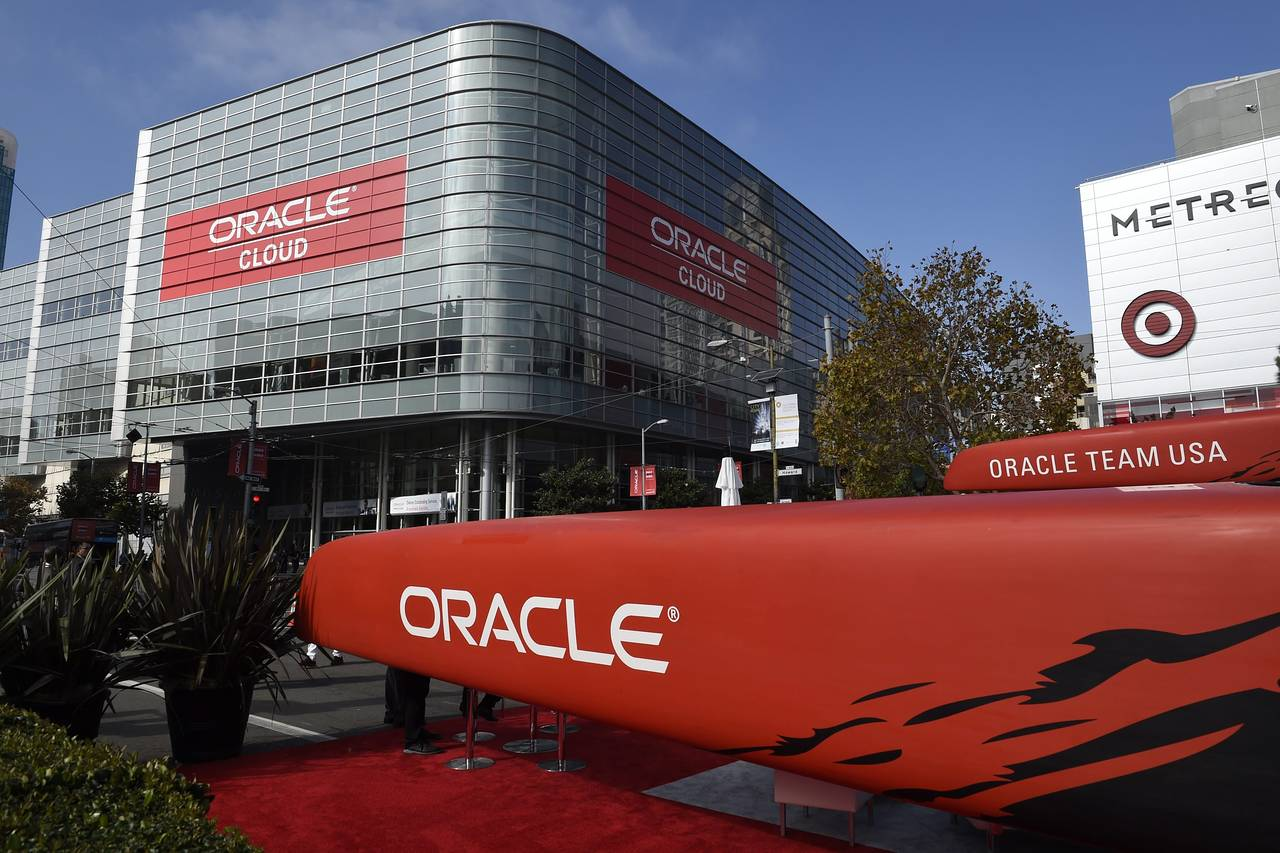
Oracle Seeks to Raise $18 Billion in Debt to Fund AI Cloud Push

Oracle is planning to raise $18 billion in debt, according to a regulatory filing on Wednesday, as it accelerates investment in cloud infrastructure to meet soaring demand from artificial intelligence clients.

The enterprise software and cloud services giant has been expanding its capital spending to deliver on major contracts, including agreements with OpenAI, which are expected to drive significant growth in its cloud business.

According to a pricing term sheet filed with the U.S. Securities and Exchange Commission, Oracle will sell the debt in six tranches.

In a separate filing, the company said proceeds could be used for general corporate purposes, including stock buybacks, debt repayment, or acquisitions, in addition to infrastructure investment.

The debt sale highlights how rising AI adoption is reshaping the priorities of major tech firms, with Oracle joining a growing list of companies tapping capital markets to finance the costly buildout of hyperscale data centers.