Yazılar

Oracle in talks for $20B AI cloud deal with Meta

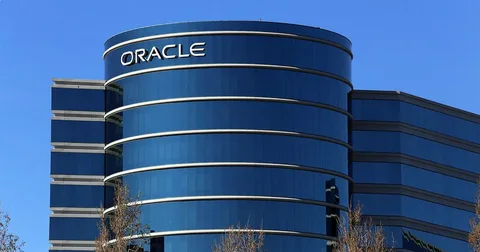
Oracle is negotiating a multi-year cloud computing contract with Meta worth about $20 billion, a source told Reuters on Friday, highlighting the social media giant’s urgent push to secure computing capacity for AI development.

Under the potential deal, Oracle would provide infrastructure for training and deploying AI models, supplementing Meta’s existing cloud partnerships. Neither company commented on the report.

The talks come just days after news that OpenAI signed a landmark agreement to buy $300 billion worth of computing power from Oracle over five years—one of the largest cloud deals ever recorded.

Oracle, once known primarily for enterprise software, has rapidly repositioned itself as a heavyweight in cloud infrastructure through Oracle Cloud Infrastructure (OCI). It has partnered with Amazon, Google, and Microsoft to allow their customers to run Oracle workloads alongside native services. Revenue from these tie-ups surged more than 16x in Q1.

In recent weeks, Oracle has announced four additional multi-billion-dollar contracts as AI firms such as OpenAI, Musk’s xAI, and now Meta aggressively lock in long-term capacity. Oracle said it expects to sign more mega-customers in the coming months, projecting over half a trillion dollars in booked OCI revenue.

If finalized, the Meta deal would further cement Oracle as a critical player in the AI infrastructure race, rivaling traditional hyperscalers and underscoring just how central cloud power has become in the battle for AI dominance.
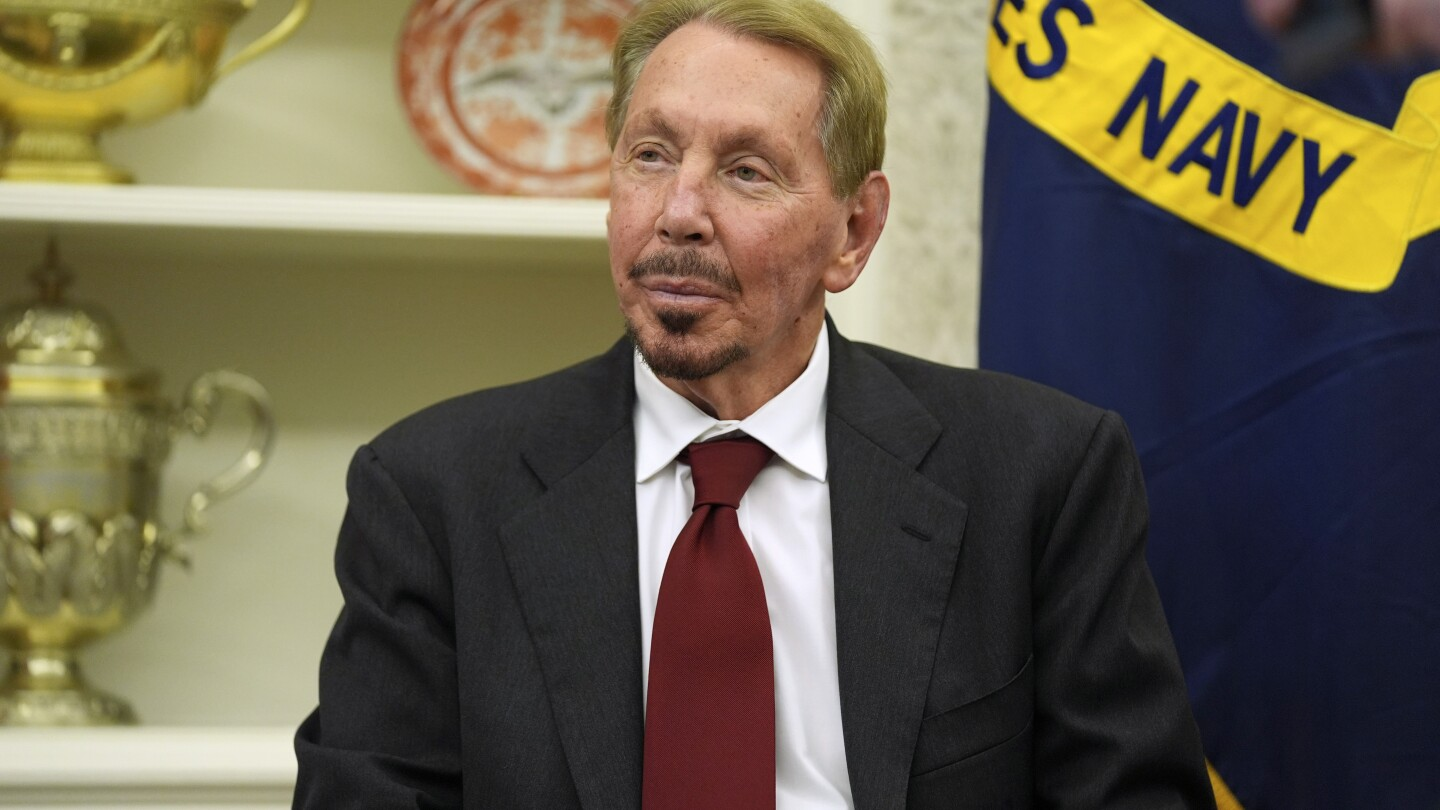
Larry Ellison reemerges as tech and media power player

Forty-eight years after co-founding Oracle, Larry Ellison is once again at the center of global business headlines. Oracle’s stock surged 35.9% on the back of blockbuster cloud computing deals tied to AI, propelling Ellison’s net worth to nearly $400 billion—second only to Elon Musk.

Adding to his influence, Ellison’s family-controlled Paramount is preparing a bid for Warner Bros Discovery, a move that could dramatically reshape Hollywood. At the same time, his son David Ellison has begun steering CBS News with a more conservative tilt, hiring former Hudson Institute CEO Kenneth Weinstein as ombudsman and reportedly courting journalist Bari Weiss for a leadership role.

Ellison has also entrenched Oracle in the TikTok saga, providing U.S. infrastructure for the Chinese-owned app since 2022 amid national security scrutiny. Behind the flash of yachts, Hawaiian islands, and movie cameos—he played himself in Iron Man 2—Ellison has steadily bet big on AI.

Oracle became a major AI landlord, securing marquee clients including Meta, Elon Musk’s xAI, and OpenAI, which committed to a $300 billion compute deal over five years. This pivot helped Oracle’s booked revenue soar more than four-fold to $455 billion.

Unlike rivals Microsoft, Amazon, and Google, Oracle chose not to build custom AI chips, instead deepening ties with Nvidia. At a 2024 dinner with Musk and Nvidia CEO Jensen Huang, Ellison reportedly said, “Please take our money”—and soon after, Oracle secured GPU supplies that fueled the Stargate project with OpenAI.

Oracle’s cloud revival—after a failed 2016 launch—has proven cheaper and more adaptable. Its rapid scaling during the Zoom pandemic traffic surge and smooth takeover of TikTok’s U.S. user data in 2022 highlighted technical strength.

Still, huge risks remain. Oracle outsources critical infrastructure like land, data centers, and power, making it reliant on partners. Analysts warn that dependence on a small group of AI clients—particularly OpenAI—could expose Oracle to shocks if those firms stumble.

Ellison’s career has long swung between hubris and vindication, but with AI reshaping the tech landscape, the Silicon Valley “bad boy” may yet have the last laugh.

Microsoft and OpenAI strike non-binding deal to enable restructuring

Microsoft and OpenAI announced on Thursday that they have signed a non-binding agreement to redefine their partnership, paving the way for OpenAI to restructure into a for-profit company. The move would allow the ChatGPT creator to adopt a more conventional governance model, raise capital more freely, and potentially pursue an eventual IPO.

While details of the new commercial terms were not disclosed, both companies said they are working toward a definitive agreement. The talks mark a major shift in one of the most closely watched partnerships in the AI sector, forged to fuel the global boom in generative AI.

Microsoft has invested $11 billion in OpenAI since 2019 and until recently enjoyed exclusive rights to market OpenAI’s tools through its Azure cloud platform. But the dynamic has shifted: OpenAI has launched its own Stargate data center project, signed $300 billion in contracts with Oracle, and struck another cloud deal with Google, signaling its desire to diversify partnerships and reduce reliance on Microsoft.

For its part, Microsoft wants to preserve access to OpenAI’s technology even if OpenAI claims to reach artificial general intelligence (AGI) — a threshold that under current terms would end the partnership.

OpenAI is targeting a $500 billion valuation, with its nonprofit arm set to receive more than $100 billion, according to chairman Bret Taylor. The conversion still requires approval from attorneys general in California and Delaware, and OpenAI risks losing billions in tied funding if it fails to finalize the transition by year-end.

The evolving relationship underscores the growing competitive tension between the two. Microsoft is developing its own AI models to reduce dependency, while both companies continue to compete in enterprise tools and consumer-facing chatbots.