Novo Nordisk Raises Alarm Over Deaths Linked to Compounded Versions of Weight-Loss Drug Wegovy
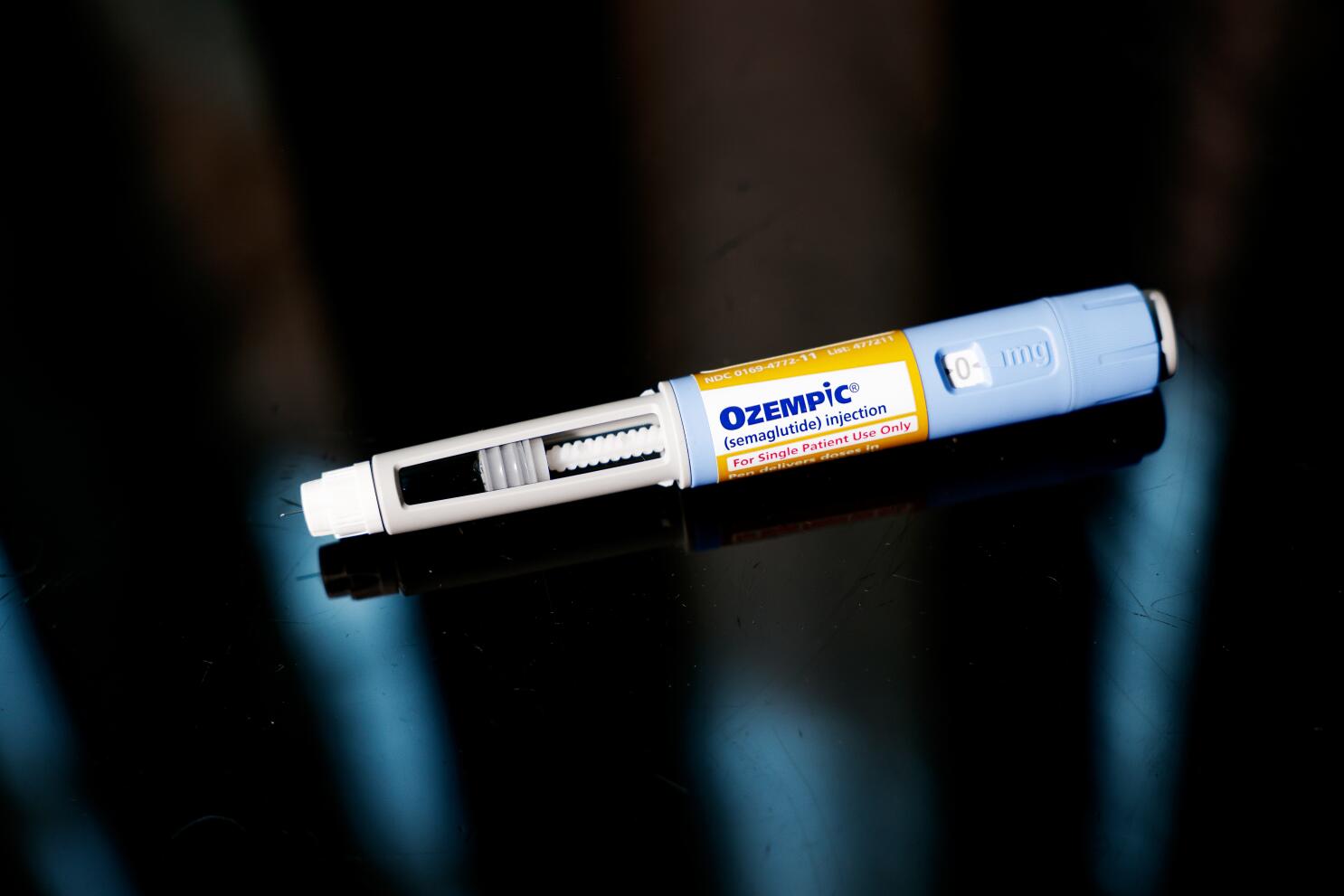
Novo Nordisk recently acknowledged reports indicating that 10 people have died and over 100 have been hospitalized after using compounded versions of its popular weight-loss and diabetes drugs, Wegovy and Ozempic, chemically known as semaglutide. The company’s CFO, Karsten Munk Knudsen, confirmed awareness of these cases, which emerged from the FDA’s adverse events database. The database does not establish direct causality between compounded semaglutide and the deaths but serves as a preliminary warning mechanism for potential health risks.
The U.S. allows compounding pharmacies to create alternatives to brand-name drugs that are temporarily in short supply, achieved by mixing or altering drug ingredients. Until recently, Novo Nordisk’s semaglutide drugs, Wegovy and Ozempic, were on the FDA’s shortage list due to high demand, especially within the United States. This shortage situation permitted compounding pharmacies to manufacture copies.
When asked to elaborate, a Novo Nordisk spokesperson directed attention to the FDA’s adverse events database, which has recorded 10 deaths linked to compounded semaglutide over the past two years, though none identified a direct cause. The adverse event reports are submitted by doctors, patients, and drug manufacturers and are intended as preliminary safety signals rather than concrete scientific evidence. Reports often lack detailed information and may include multiple entries for the same incident, making it challenging to draw definitive conclusions.
Novo Nordisk CEO Lars Fruergaard Jorgensen expressed concern about the potential lack of regulatory oversight on compounded versions of these medications, especially given the FDA’s stringent surveillance of Novo Nordisk’s official products. He criticized the sale of compounded semaglutide variants online and in “health spas,” bypassing the formal supply chain used by Novo Nordisk and its competitor Eli Lilly for distributing their FDA-approved medications. “It beats me,” Jorgensen remarked, emphasizing the potential risks posed by unregulated products.
In October, Novo Nordisk requested that the FDA restrict compounding pharmacies from producing copycat versions of Wegovy and Ozempic, arguing that the complexities involved in manufacturing these drugs might exceed the capabilities of some compounders, leading to safety concerns. Knudsen added that Novo Nordisk had observed multiple safety issues with some compounded products, reinforcing the need for stricter regulatory measures.
Despite Novo Nordisk’s efforts to meet demand, Wegovy and Ozempic remain listed on the FDA’s shortages list, though all dose strengths are currently noted as available. Knudsen highlighted the significant investments made to expand production capacity and the ongoing dialogue with the FDA, expressing optimism that these drugs may eventually be removed from the shortage list, which could limit compounding pharmacies’ ability to create alternatives.