Toxic Smog Blankets Northern India and Eastern Pakistan Just Before Diwali
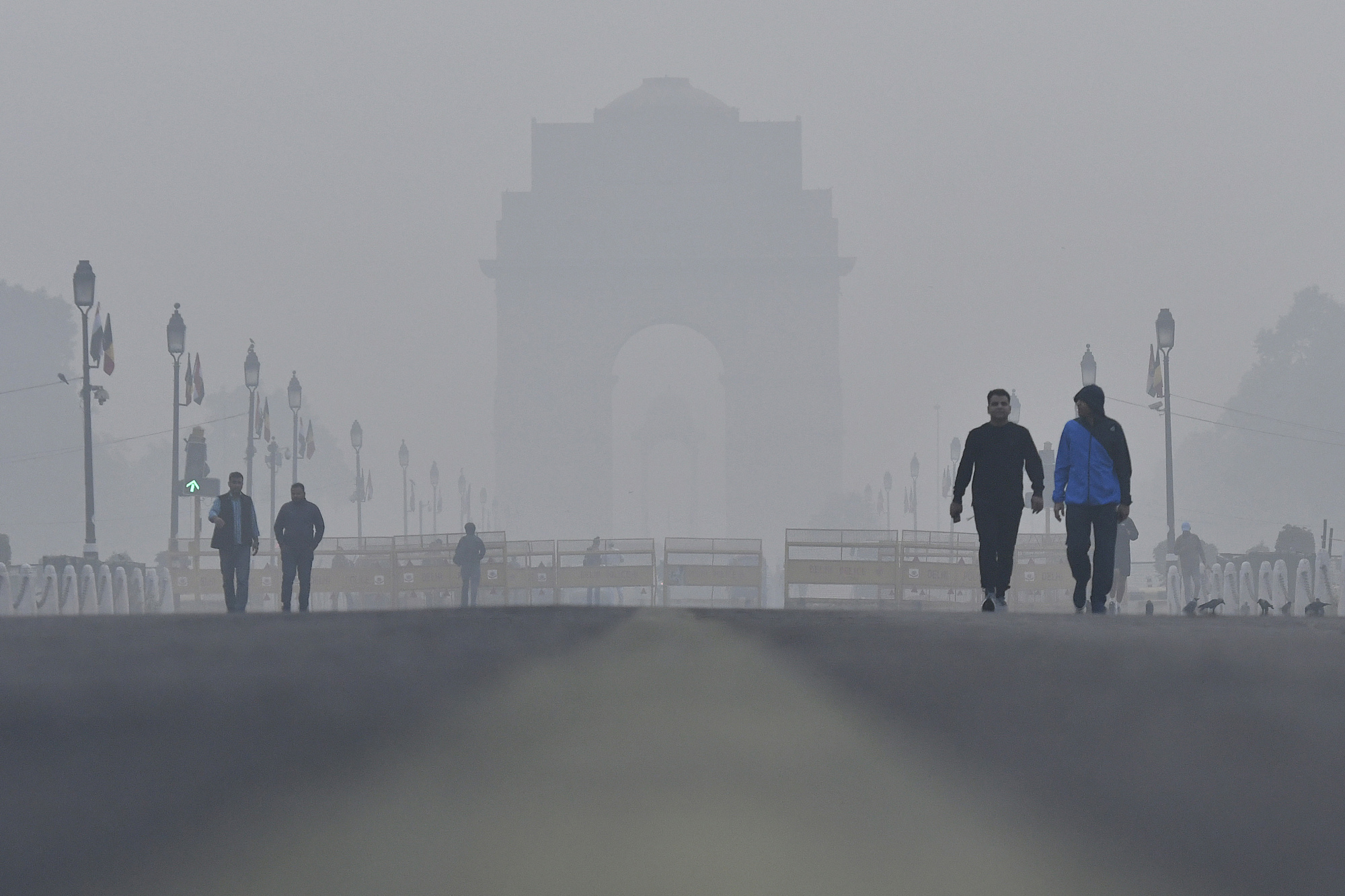
Northern India and eastern Pakistan are once again covered in a dense, toxic smog, just days before the Diwali festival, when air pollution traditionally spikes due to widespread firework celebrations. Air quality in Delhi was recorded at around 250 on Monday, placing it in the “very unhealthy” category, while Lahore, only 25 kilometers from the Indian border, registered air quality levels over 500—nearly 65 times the World Health Organization’s guidelines for healthy air, making it the world’s most polluted city, according to IQAir.
As winter approaches, the seasonal smog is expected to worsen, fed by agricultural waste burning, emissions from coal-fired power plants, heavy traffic, and stagnant air. Diwali celebrations, which begin on Thursday, typically involve firecracker use, often in violation of local bans, which exacerbates pollution levels. The thick smog not only creates eerie scenes of orange haze but also poses severe health risks, with experts warning that prolonged exposure could reduce life expectancy by years.
Delhi authorities have banned firecrackers in an attempt to curb pollution, but enforcement remains challenging. The Supreme Court of India recently criticized Punjab and Haryana officials for failing to limit illegal stubble burning, a major contributor to smog. Local authorities claim the practice has been curbed significantly, yet smog persists across the region.
India’s government initiated a nationwide Clean Air Programme in 2019, targeting a 40% reduction in particulate matter by 2026 through measures such as stricter coal plant regulations, increased air monitoring, and bans on biomass burning. Temporary measures, including sprinkling water on streets and inducing artificial rain, have been implemented to manage smog, but experts warn that these are short-term fixes that do not address the underlying pollution sources.
While some Indian cities report slight improvements in air quality, New Delhi’s pollution levels remain largely unchanged over recent years. Activists like Jyoti Pande Lavakare, founder of Care for Air, argue that stronger political commitment is necessary to combat pollution on a national scale, as the health consequences of inaction continue to mount.