Yazılar

Samsung Develops AR Headset with Head-Mounted Display, Patent Reveals

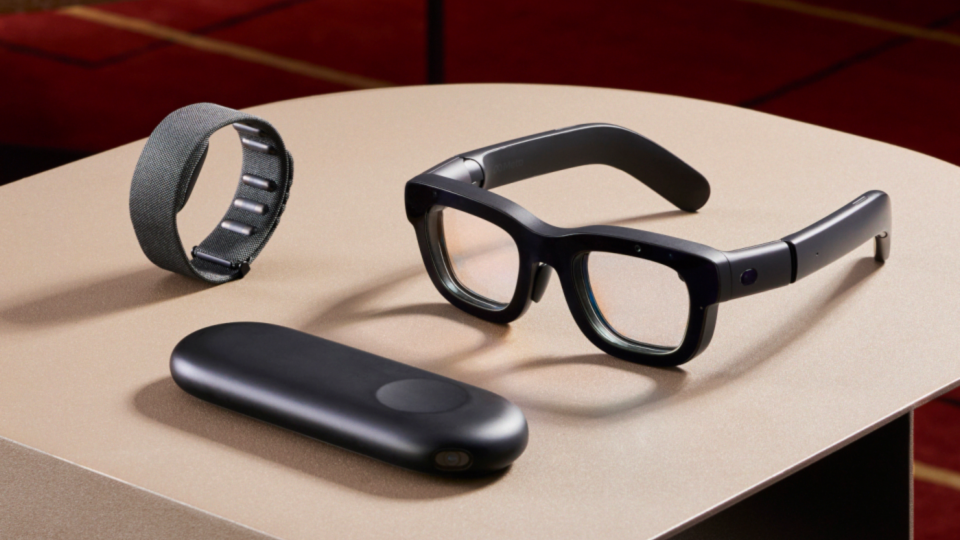
Samsung’s entry into the augmented reality (AR) space appears to be taking shape, as recent patent filings shed new light on the company’s plans for a head-mounted AR headset. The patent document, which surfaced through the World Intellectual Property Organization (WIPO) database, suggests that Samsung is developing a device that will run on its proprietary operating system. The AR headset is also expected to feature a Qualcomm chip, marking a significant collaboration between the two companies. This upcoming mixed reality headset will likely compete with established players in the AR space, such as Meta, HTC, and Magic Leap, bringing similar functionalities to the market.

Innovative Head-Mounted AR Device
The patent, titled “Wearable Device for Displaying Visual Object for Adjusting Visibility of Virtual Object,” details a head-mounted device (HMD) designed to provide immersive AR experiences. The device is expected to have a built-in display, enabling users to view both virtual and real-world objects simultaneously. Samsung’s focus on blending virtual elements with the real environment suggests that the device could offer a highly interactive experience, potentially transforming how users interact with digital content in their physical surroundings.

The Role of Qualcomm in the Project
Samsung’s collaboration with Qualcomm is a noteworthy aspect of the patent, as it points to the use of a Qualcomm chip in powering the headset’s operations. This partnership could lead to improved performance and efficiency, especially as Qualcomm’s chips are known for their strong capabilities in handling AR and mixed-reality applications. The use of a dedicated chip would help Samsung optimize the headset’s processing power, providing smoother experiences and supporting a wide range of augmented reality applications.

Samsung’s Move Into Mixed Reality
This patent filing signifies Samsung’s commitment to entering the competitive AR and mixed-reality market. As companies like Meta have already established their own AR ecosystems, Samsung’s headset could offer an exciting alternative, leveraging its expertise in display technology and mobile devices. While details are still scarce, the anticipated AR headset could be a game-changer for the industry, offering consumers a new way to engage with both virtual and real-world environments. As more information becomes available, it will be interesting to see how Samsung positions this device against its competitors and what unique features it will bring to the table.

Huawei’s New Foldable Smartphone with Integrated Case and Rectangular Design Revealed in Patent Filing

Huawei may be developing a new foldable smartphone with a unique design that features an attached protective cover. According to a patent published on the China National Intellectual Property Administration (CNIPA) website, the company is exploring the possibility of integrating a cover directly into the foldable device itself. Images provided in the patent suggest that the phone could be a tri-fold model, with the outermost panel serving as a protective cover when the device is closed. This follows Huawei’s recent release of the Mate XT Ultimate Design, the world’s first commercially available tri-fold phone, further indicating the company’s push to innovate in the foldable market.

The patent outlines a device that could function both as a smartphone and a tablet, incorporating a flexible hinge mechanism that allows the device to unfold and transform into a larger display. The protective cover is designed to wrap around the foldable sections of the device, providing added durability when the device is folded. This solution would help safeguard the fragile display without adding bulk, as the cover is described as being slim and lightweight, reducing the overall size of the phone.

This innovative concept aims to offer both practicality and style, addressing the potential downsides of foldable phones, such as screen damage or durability concerns. By integrating the cover into the design, Huawei could simplify the user experience by eliminating the need for a separate case while providing enhanced protection. The foldable’s hinge and frame design will likely be engineered to ensure smooth operation, with the cover remaining flexible to adapt to the device’s movements.

While still in the patent phase, this foldable phone concept could set the stage for Huawei’s next generation of foldable smartphones, continuing the trend of offering versatile devices with cutting-edge features. The design’s emphasis on reducing the overall footprint while still providing functionality suggests that Huawei is thinking strategically about the future of foldable technology. If the concept moves forward, it could provide a more streamlined and durable option for consumers in the growing foldable phone market.

Honor Files Patent for Multi-Directional Foldable Screen Device

Honor Patent Hints at Multi-Directional Foldable Screen Innovation

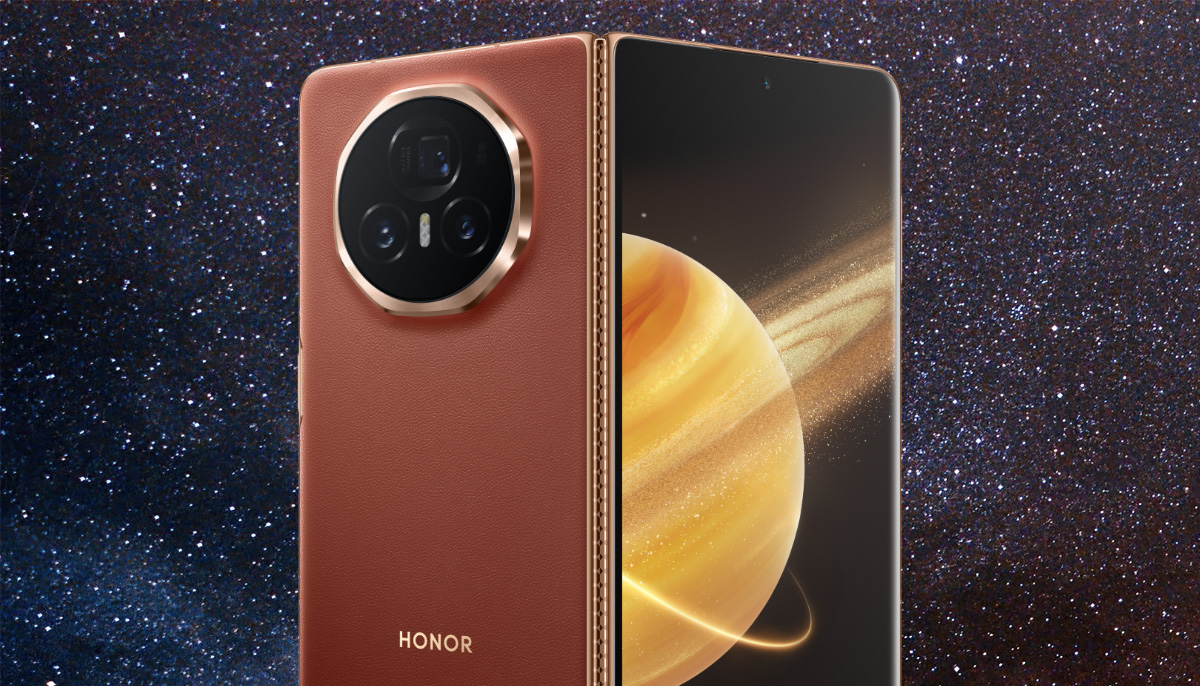
Honor is working on a cutting-edge foldable technology that could redefine the future of mobile devices. According to a newly discovered patent, the company is exploring a device with a multi-directional foldable display, offering a fresh take on the flexible screen designs seen in today’s smartphones. This technology is still in its developmental stages, and there is no confirmation from Honor about a release date or even a concrete plan to launch such a device. However, the patent provides intriguing details about how Honor envisions this next step in foldable technology.

While foldable smartphones with clamshell or book-style designs have been on the market for a few years, the concept of a multi-directional foldable display pushes the boundaries of what these devices can achieve. Honor’s patent appears to be a response to the growing demand for innovative folding technology, especially in light of recent developments by competitors. Last month, Huawei introduced the world’s first tri-fold smartphone, showcasing a more complex foldable form. If Honor moves forward with this technology, they could become a significant player in this emerging niche.

The patent document recently uncovered by 91Mobiles provides a detailed look at how the device could work. The design relies on a sophisticated hinge system that allows the screen to fold in multiple directions. Unlike current foldables, which typically fold along a single axis, Honor’s concept uses several hinges and housings, allowing more flexibility and a variety of configurations. This multi-hinge mechanism could make the device more versatile in its use cases, potentially adapting to different tasks or viewing preferences.

In addition to the hinges, the patent describes a central piece that connects the various components of the screen and the internal structure. This key element likely helps maintain the integrity of the foldable display, ensuring that the device remains functional and durable despite the complex folding mechanism. Durability has been one of the primary concerns with current foldable smartphones, so if Honor can deliver a solution that addresses this issue, it could significantly impact consumer trust in foldable technology.

It is unclear whether Honor will incorporate this technology into a smartphone, tablet, or another type of device. Given the broad possibilities offered by a multi-directional folding screen, the application could extend beyond just phones, possibly into wearables or hybrid devices. However, this patent positions Honor alongside other companies that are striving to push foldable devices into more diverse formats, suggesting that the future of mobile devices may be even more flexible and dynamic than today’s offerings.

Although no launch timeline has been set, the patent indicates that Honor is keen on competing in the foldable market, which is heating up with multiple brands releasing new designs. If Honor moves ahead with the development of a multi-directional foldable, it could set a new standard for innovation in foldable technology, offering consumers greater flexibility, usability, and versatility.