
Telegram to Share Users’ IP Addresses and Phone Numbers with Law Enforcement, Confirms CEO
Telegram Updates Terms of Service to Prevent Criminal Misuse, Durov Announces Devamını Oku

Telegram Updates Terms of Service to Prevent Criminal Misuse, Durov Announces Devamını Oku
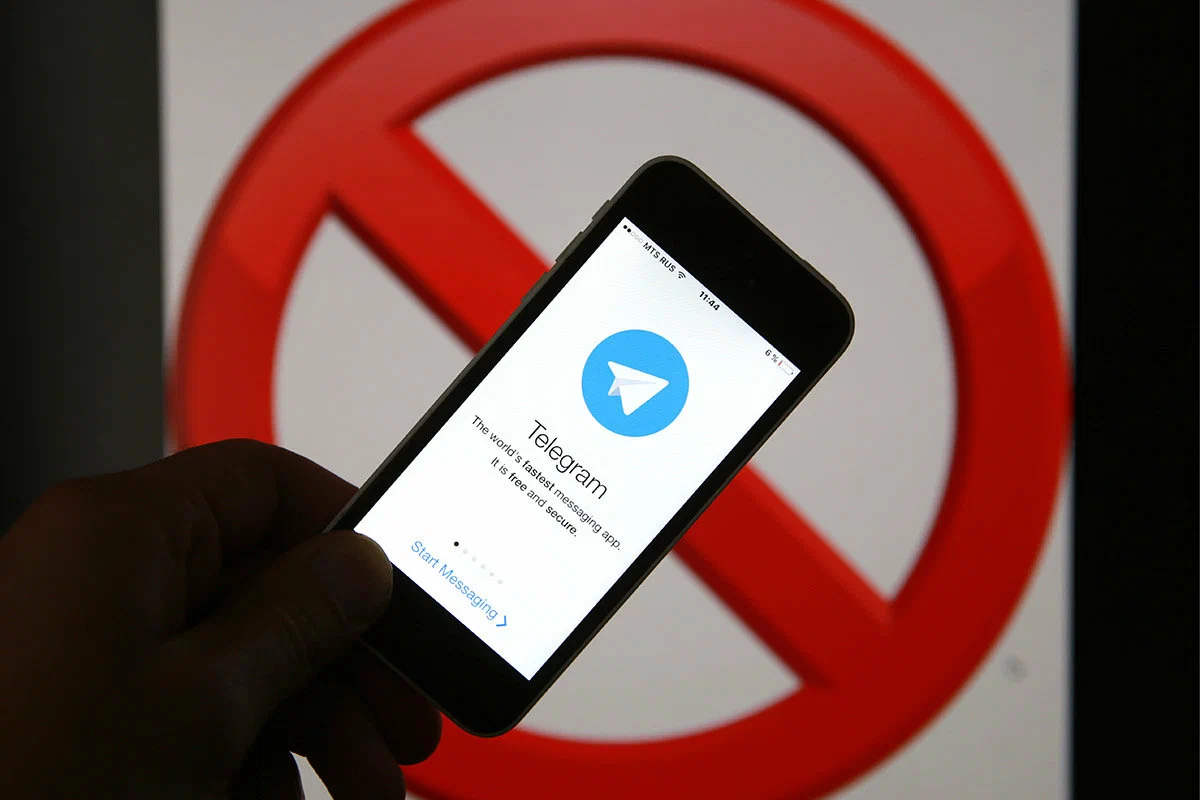
Ukraine has banned the use of the Telegram messaging app on official devices belonging to government officials, military personnel, and critical workers, citing fears that Russia could be using the platform to spy on messages and users. This decision was announced by Ukraine’s National Security and Defence Council on Friday, following a presentation by Kyrylo Budanov, head of Ukraine’s military intelligence agency, GUR, who provided evidence of Russian special services’ ability to intercept communications via the app.
Andriy Kovalenko, the head of the security council’s disinformation center, clarified that the restrictions only apply to official devices and do not extend to personal phones. Despite Telegram’s widespread use in both Ukraine and Russia, security officials have repeatedly raised concerns over its safety during the ongoing war.
Telegram, founded by Russian-born Pavel Durov, has been a significant communication tool since the start of the Russian invasion in February 2022. However, Ukraine’s security authorities believe that Russia’s special services can access Telegram messages, including deleted ones, as well as users’ personal data.
In response, Telegram issued a statement denying any cooperation with Russia or any other country, asserting that it had never provided access to any user data or messages. Telegram also reiterated that deleted messages are permanently erased and cannot be retrieved. They attributed any leaked messages to compromised devices, such as those infected with malware or seized by authorities.
While the Ukrainian government is restricting Telegram on official devices, the platform remains highly popular among Ukrainians. A survey found that 75% of Ukrainians use Telegram for communication, with 72% regarding it as a key source of information.

Telegram, a popular messaging app with over 950 million users, continues to decline membership in major child protection schemes like the National Centre for Missing and Exploited Children (NCMEC) and the Internet Watch Foundation (IWF). This stance has attracted scrutiny, particularly amid the detention of Telegram’s founder and CEO, Pavel Durov, in France on allegations related to moderation failures, including issues surrounding drug trafficking, child sexual content, and fraud.
Despite repeated requests from NCMEC and the IWF, Telegram remains outside these networks designed to identify, report, and remove child sexual abuse material (CSAM). Both organizations work with most online platforms to address such content, yet Telegram’s absence from these schemes limits its proactive capabilities in combating CSAM. While Telegram does remove confirmed CSAM, it has been criticized for its slower response times compared to platforms engaged with these protective networks.
Telegram, originally founded in Russia and now based in Dubai where Durov resides, also eschews participation in the TakeItDown program, which tackles revenge porn. Unlike other social networks, Telegram does not adhere to standard transparency practices, such as regular public reporting of content takedown requests. Its approach to transparency is described as “semiannual,” with no accessible library of previous reports, further complicating public scrutiny.
The lack of cooperation with these child protection initiatives and transparency measures highlights ongoing concerns about Telegram’s commitment to addressing online safety issues. Telegram has historically claimed that its moderation practices are aligned with industry standards and that it is not responsible for abuse on its platform. However, the absence of active engagement with key child protection organizations raises questions about the effectiveness of its measures in combating harmful content.
Telegram’s unusual media contact methods and lack of responsiveness to press inquiries add to the challenges in addressing these concerns. Despite the platform’s popularity in various regions, including Russia, Ukraine, and Iran, its approach to child safety and transparency remains a contentious issue.