Yazılar

Activist Starboard Value Takes $1 Billion Stake in Pfizer, Eyes Turnaround with Former Executives’ Help

Activist investor Starboard Value has acquired a $1 billion stake in Pfizer, aiming to initiate changes at the pharmaceutical giant amidst its financial struggles, according to sources familiar with the situation. While Starboard’s exact strategy remains unclear, they have reportedly sought the expertise of former Pfizer executives Ian Read (former CEO) and Frank D’Amelio (ex-finance chief) to assist with the company’s turnaround efforts.

Starboard, led by Jeff Smith, is reportedly concerned about Pfizer’s recent shift away from its traditionally disciplined approach to cost management and investment in novel drugs under current CEO Albert Bourla. Pfizer’s revenue and free cash flow surged during the Covid-19 pandemic due to its successful vaccine rollout, but its stock has since underperformed, with shares down approximately 30% compared to 2019 levels. This downturn is partly attributed to Pfizer’s aggressive acquisition strategy, with nearly $70 billion spent on mergers and acquisitions since 2020, some of which have been met with skepticism by analysts.

One controversial acquisition was Pfizer’s $5 billion purchase of Global Blood Therapeutics, a deal that included the sickle cell drug Oxbryta, which the company recently pulled after modest sales of $300 million last year. Pfizer has played down the financial impact of this move, but it has raised concerns about the returns from recent acquisitions.

Return to Disciplined Leadership?

Former CEO Ian Read, who led Pfizer from 2010 to 2019, is remembered for doubling the company’s share value during his tenure by instituting a cost- and core-focused culture. Read’s leadership came at a time when Pfizer faced significant challenges, and his strategy of disciplined cost management and targeted investments helped turn the company around. Starboard appears to be advocating for a return to such leadership principles, contrasting them with the current trajectory under Bourla, which has focused more on acquisitions.

In response to financial pressure, Pfizer has already initiated cost-cutting measures, launching a $4 billion cost-reduction program and later expanding these efforts. Despite these steps, more than $100 billion in shareholder value has been lost since the height of the pandemic, reflecting the company’s ongoing difficulties.

Starboard’s Broader Strategy

Starboard Value, known primarily for its focus on the technology sector, is expanding its influence into the pharmaceutical industry with this Pfizer stake. The firm has been active in recent campaigns against companies like Autodesk, Salesforce, and Match Group, as well as challenging News Corp’s dual-class share structure.

This move marks a significant shift for Starboard, as it seeks to bring its activist playbook to Pfizer, a company that has historically weathered various challenges but now faces questions about its post-pandemic future. Starboard’s involvement signals a possible push for further restructuring at Pfizer, though the exact plans are yet to unfold.

 

East and Gulf Coast Ports Strike Halts Billions in Trade

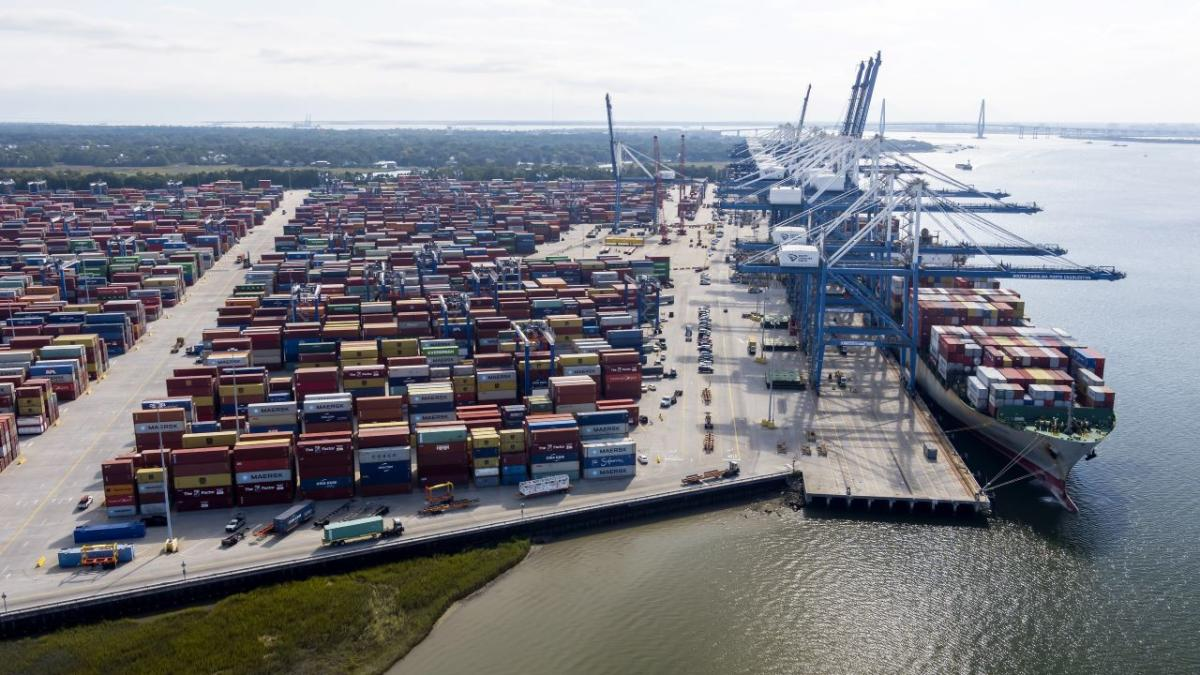
The U.S. East Coast and Gulf Coast ports were brought to a standstill on October 1 after members of the International Longshoremen’s Association (ILA) walked off the job at 14 major ports. The strike, involving around 50,000 ILA workers, follows the expiration of the union’s contract with the United States Maritime Alliance (USMX) and ongoing disputes over wage increases and automation usage. This labor action threatens to cost the U.S. economy billions, with industries relying on these ports already feeling the strain.

Despite last-minute efforts, including a nearly 50% wage increase offer from the USMX over six years, the ILA rejected the proposal, leading to widespread disruption. The affected ports include critical hubs such as New York/New Jersey, Boston, Baltimore, Savannah, and Houston. New York Governor Kathy Hochul acknowledged the severity of the situation, noting the first large-scale eastern dockworker strike in nearly five decades and the state’s preparedness to mitigate supply shortages.

ILA President Harold Daggett, who has been outspoken in his opposition to the USMX’s offers, rallied members by emphasizing the historical significance of the strike, stating, “They can’t survive too long.” The impact of the strike has already started to ripple through the U.S. economy, with experts warning of severe consequences depending on the duration of the work stoppage. Adam Kamins, an economist at Moody’s Analytics, noted that a short strike would cause backlogs, while a prolonged disruption could lead to supply shortages and increased prices, particularly affecting the food and automobile industries.

The strike has further complicated the recovery from Hurricane Helene, which recently caused port delays and power outages across Southeast and Gulf Coast regions. Supply chain experts like Shana Wray of FourKites highlighted that the strike worsens the congestion already caused by the hurricane, particularly for ports in Charleston and Savannah.

The pharmaceutical industry is among the sectors hardest hit by the strike. Noushin Shamsili, CEO of Nuco Logistics, emphasized the critical timing of the strike, which comes as pharmaceutical companies are replenishing inventories. The East Coast ports serve as vital entry points for active pharmaceutical ingredients (APIs) from India and Europe, essential for drug manufacturing in the U.S.

Retailers are also bracing for significant delays. Steve Lamar, CEO of the American Apparel and Footwear Association, expressed concern over the timing, noting that the strike could disrupt the holiday shopping season. Major importers like Walmart, Home Depot, and Ikea are scrambling to find alternative solutions, but options are limited, as the West Coast ports are unlikely to absorb the redirected cargo due to union solidarity with the ILA.

The last major ILA strike occurred in 1977, with West Coast dockworkers joining in solidarity. With the Teamsters already pledging support and refusing to cross picket lines, this strike has the potential to disrupt nearly half of all U.S. imports. The Biden administration, led by Transportation Secretary Pete Buttigieg and Acting Labor Secretary Julie Su, has been involved in attempts to bring both sides back to the negotiating table, but the ILA remains steadfast in its demands.

The Taft-Hartley Act, which grants the president power to suspend strikes for 80 days in cases of national emergency, has been brought up in discussions. However, the White House has repeatedly stated that it has no intention of invoking the act to force workers back to their jobs. With billions in trade hanging in the balance, pressure is mounting for a resolution, but both sides remain entrenched in their positions.


Viking Therapeutics Stock Surges Nearly 30% Following Weight Loss Drug Milestone

Viking Therapeutics saw its stock jump by 28% on Thursday after the company announced it would be advancing its experimental weight loss injection, VK2735, into a late-stage trial earlier than anticipated. This move positions Viking closer to entering the lucrative GLP-1 market, which analysts project could grow to $150 billion by the end of the decade.

Viking’s accelerated timeline was influenced by feedback from the Food and Drug Administration (FDA), allowing the San Diego-based biotech firm to bypass an additional mid-stage trial. The company plans to meet with the FDA in the fourth quarter to finalize the design and timing of the phase three trial, potentially shaving a year off the drug’s development timeline. Analysts now estimate the drug could launch as early as 2029.

VK2735, a weekly injection that targets GLP-1 and GIP hormones, demonstrated promising results in a phase two trial, with patients experiencing up to 14.7% body weight loss after 13 weeks. Viking also plans to test a monthly version of the injection, which could offer a more convenient alternative to Eli Lilly’s Zepbound and Novo Nordisk’s Wegovy, both of which are administered weekly.

In response to Viking’s announcement, shares of major competitors Eli Lilly and Novo Nordisk closed lower, down 4% and 3% respectively, reflecting market concerns over potential new competition in the weight loss and diabetes treatment space.

Viking Therapeutics is also exploring an oral version of VK2735, which showed a 3.3% weight loss compared to a placebo in an early-stage trial. As Viking pushes forward, its entry into the GLP-1 market could intensify competition among drugmakers vying for a share of this rapidly expanding sector.