
Yazılar

EU Regulator Approves AI Tool for Fatty Liver Disease Trials

The European Medicines Agency (EMA) has approved the use of an artificial intelligence (AI) tool, AIM-NASH, to assess the severity of metabolic dysfunction-associated steatohepatitis (MASH) in clinical trials. The condition, which affects 1.5% to 6.5% of U.S. adults, is a challenging liver disease with limited treatment options.

AIM-NASH utilizes machine learning trained on over 100,000 annotations from 59 pathologists who analyzed more than 5,000 liver biopsies across nine major clinical trials. The EMA’s human medicines committee (CHMP) found that the AI tool provides more consistent and reliable assessments than traditional methods, which rely on subjective evaluations from multiple pathologists.

With this approval, data generated using AIM-NASH will be considered scientifically valid in clinical trials, potentially accelerating the development of new MASH treatments. Currently, Madrigal Pharmaceuticals’ Rezdiffra is the only U.S.-approved drug for MASH, while companies like Novo Nordisk and Eli Lilly are conducting trials to explore additional treatment options.

Merck Signs $2 Billion Licensing Deal for Weight Loss Pill with Chinese Drugmaker Hansoh Pharma

Merck announced on Wednesday that it has secured the rights to an experimental weight loss pill from Chinese drugmaker Hansoh Pharma in a deal worth up to $2 billion. This oral drug, currently not in human trials, could position Merck to capitalize on the rapidly expanding obesity drug market, which analysts predict could exceed $100 billion annually by the early 2030s.

While Merck did not specify the diseases it plans to target first with this drug, the deal significantly boosts its potential in the obesity treatment field. The move comes as several other pharmaceutical companies, including Pfizer and Roche, are working to develop competitive oral weight loss medications that can challenge the blockbuster injectable drugs from Novo Nordisk and Eli Lilly.

Under the terms of the agreement, Merck will receive exclusive global rights to develop, manufacture, and commercialize Hansoh Pharma’s HS-10535, an oral drug targeting GLP-1, a gut hormone. GLP-1 is the same target for Novo Nordisk’s popular weight loss drug Wegovy and diabetes medication Ozempic, which work by suppressing appetite and regulating blood sugar levels.

Merck will pay Hansoh Pharma an upfront fee of $112 million for the licensing rights to the drug. Additionally, the deal includes up to $1.9 billion in milestone payments and royalties on future sales, according to a press release from the company.

Merck’s president of Research Laboratories, Dean Li, expressed confidence in the drug’s potential, noting it could offer “additional cardiometabolic benefits beyond weight reduction.” The company has been actively seeking GLP-1 treatments that provide not just weight loss but other health benefits, such as improvements in cardiovascular health, diabetes, and fatty liver disease. Merck CEO Rob Davis highlighted this strategic focus in early 2023, stating that therapies with broader health benefits would be crucial for obtaining reimbursement and establishing long-term market success.

This agreement with Hansoh Pharma adds to the growing trend of Chinese companies entering the global market for GLP-1-based treatments. In a similar deal last year, AstraZeneca licensed an experimental oral GLP-1 drug from Chinese company Eccogene, which is currently in mid-stage development.


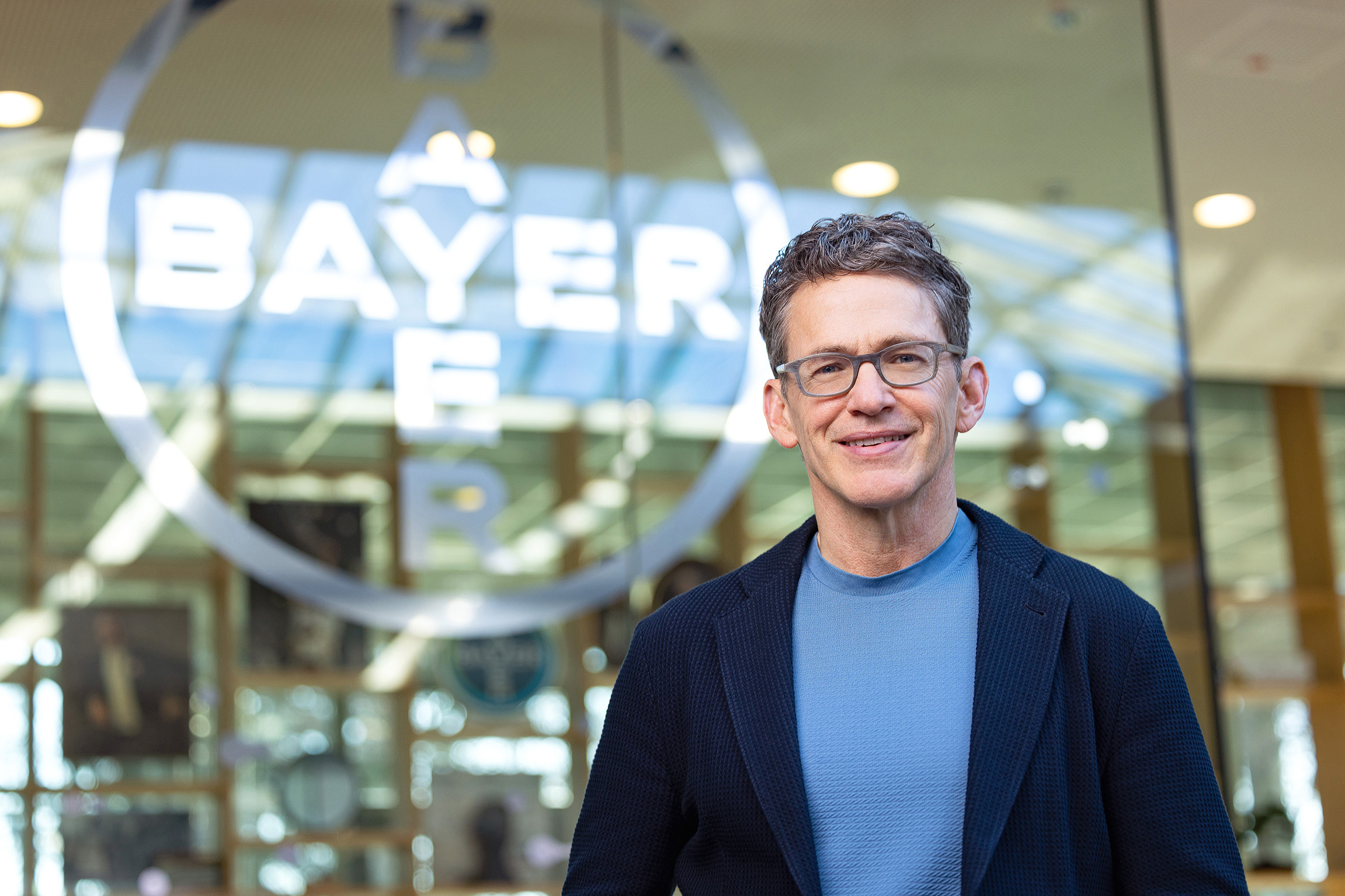
Bayer Shareholders Urge CEO to Accelerate Turnaround Amid Declining Shares

Bayer AG (BAYGn.DE) is under increasing pressure from its shareholders to quicken its turnaround efforts following a dramatic 14.5% drop in share value earlier this week. The German agriculture and pharmaceutical giant has seen its stock hit a 20-year low after warning of weaker farmer demand impacting earnings for 2025.

CEO Bill Anderson, who has been implementing restructuring measures since his appointment, is being urged to deliver tangible results to restore shareholder confidence and reverse the company’s downward trajectory.


Challenges Facing Bayer

  1. Weak Market Conditions: A slump in farmer incomes, exacerbated by broader agricultural trends, has hit Bayer and competitors like BASF and Corteva.
  2. Specific Setbacks: Bayer faces unique challenges, including delays in U.S. regulatory approval for a new generation of soy seeds, expected to dent 2025 earnings.
  3. Monsanto Aftermath: The $63 billion acquisition of Monsanto in 2018 continues to weigh on Bayer through debt and ongoing U.S. litigation over claims that Monsanto’s Roundup weedkiller causes cancer.
  4. Pharma Struggles: While new drugs like Nubeqa (prostate cancer) and Kerendia (kidney disease) show promise, bestselling blood thinner Xarelto is declining due to patent expiration.

Shareholders Demand Action

Cost Cutting and Efficiency

  • CEO Anderson’s efforts include cutting managerial roles, streamlining decision-making, and reducing bureaucracy.
  • Shareholders, including Deka Investment and Union Investment, say these changes have not yet significantly impacted revenue or costs.

Pipeline Strengthening

  • Investors like Union Investment’s Markus Manns emphasize the need for a stronger pharmaceutical pipeline and clearer long-term growth strategies.

Market Performance and Valuation

  • Bayer’s warning of declining earnings contrasts with previous analyst expectations of a 3% increase in adjusted earnings by 2025.
  • Despite an attractive valuation at 3.9 times estimated forward earnings (compared to BASF at 11.5 and Corteva at 18.7), analysts at BMO Capital Markets hesitate to recommend the stock due to contracting earnings.

CEO’s Vision and Investor Sentiment

Anderson has pledged to contain litigation risks and improve operational performance. However, shareholder patience is wearing thin. Ingo Speich from Deka warned that without results, management would face increased scrutiny.

While Bayer struggles to project when earnings will bottom out, Anderson remains optimistic about the company’s “bright future.” However, turning this vision into reality will require significant progress in both pharmaceuticals and agricultural products.