Yazılar

BYD Set to Surpass 2024 Sales Goals, Overtake Ford and Honda

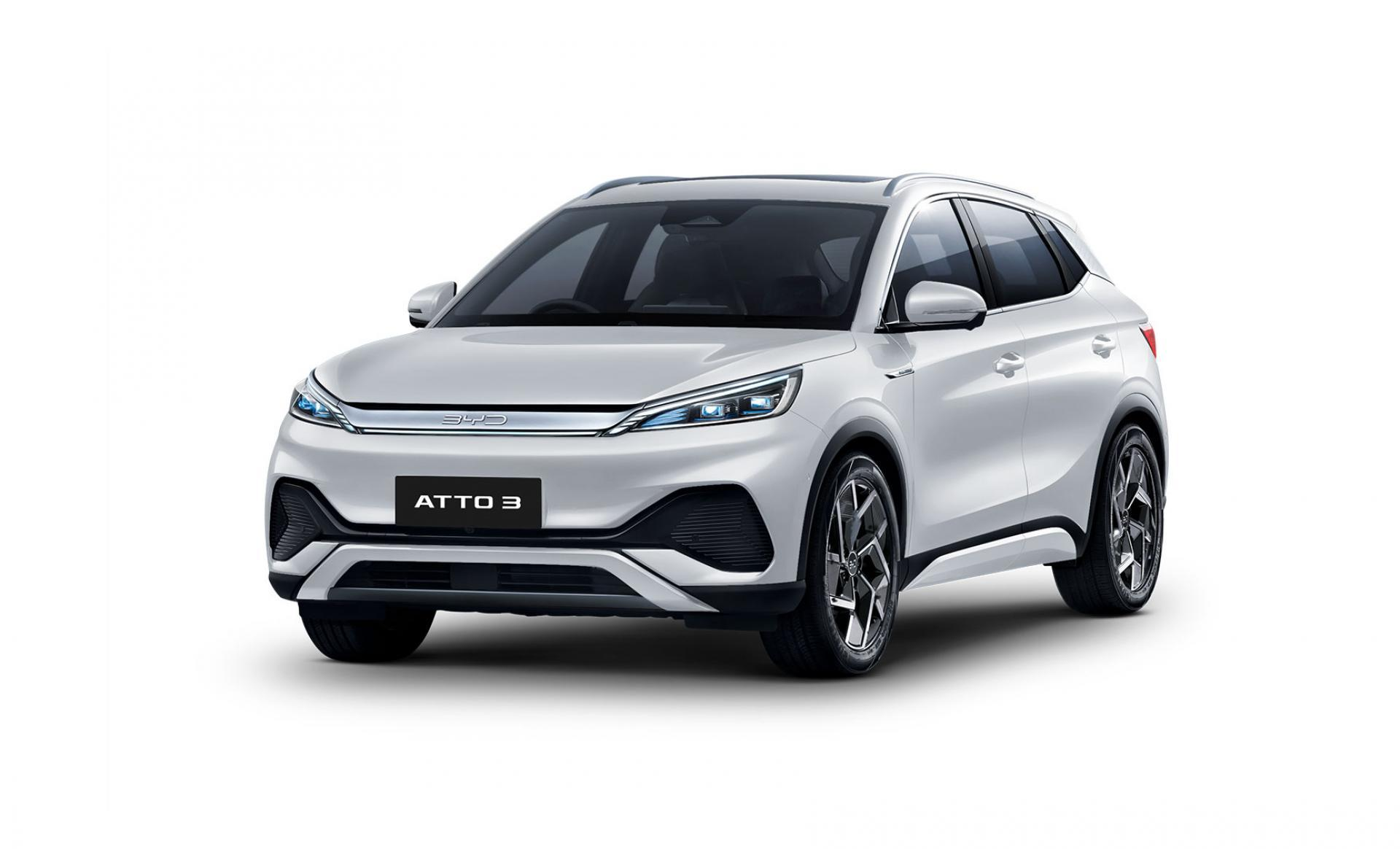
China’s leading electric vehicle (EV) maker, BYD, is poised to exceed its 2024 global sales target of 4 million vehicles, positioning it to surpass Ford and Honda in the process. The company’s growth has been bolstered by its significant market share gains in China, as well as strong sales driven by its competitive lineup of plug-in hybrid models. In the first 11 months of 2024, BYD delivered 3.76 million vehicles, including 506,804 units in November alone. This robust performance comes as China’s car sales grew at their fastest pace in 2024, supported by government-subsidized auto trade-ins.


Expansion and Market Share Gains

BYD’s impressive growth trajectory is largely fueled by an expansion in production capacity and an aggressive hiring strategy. The company added nearly 200,000 units in production capacity between August and October and hired 200,000 new employees. Its workforce now totals nearly 1 million, a sharp increase from 703,500 at the end of 2023. BYD’s market share in China stood at 17.1% as of November, a significant jump from 12.5% in 2023, according to the China Passenger Car Association.


Competitive Edge in the Price War

The company’s success is also attributed to its ability to thrive in a price war that has challenged foreign automakers. BYD has managed to maintain competitive pricing by requesting price cuts from suppliers and benefiting from its extensive scale. This strategic move has helped BYD reduce costs, outperform its rivals, and capitalize on the growing demand for electric vehicles in China.


Outpacing Rivals

BYD’s rapid growth in 2024 has allowed it to outpace traditional automakers like Ford and Honda. If current sales momentum continues, the company is on track to sell over 6 million units in the next 12 months, putting it in the same league as industry giants such as General Motors and Stellantis. The Chinese EV maker is targeting sales of 5 to 6 million vehicles in 2025, according to Citi analysts.
Chinese Automakers Ramp Up Hybrid Vehicle Exports to Europe Amid EV Tariff Shift

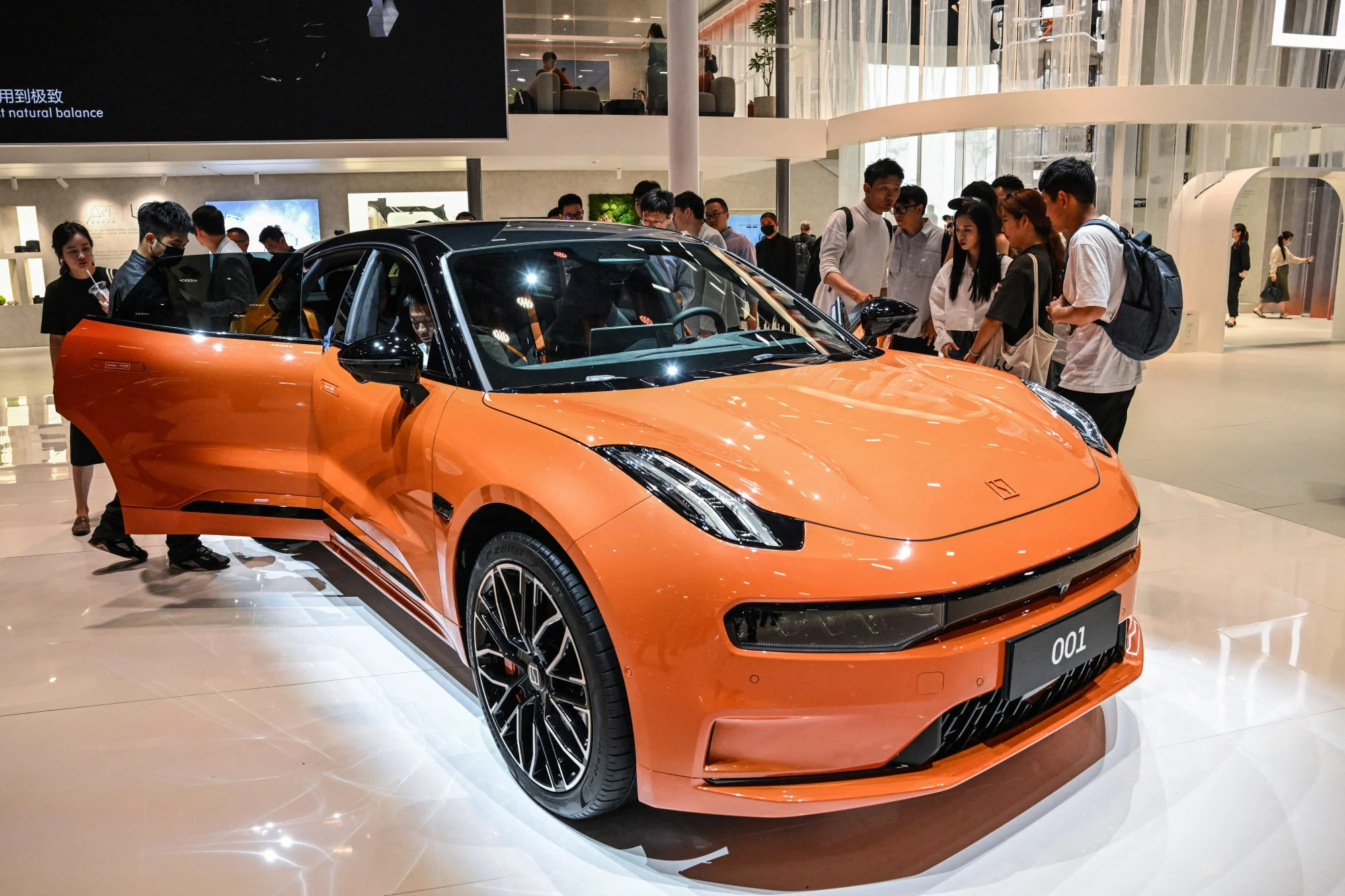
Chinese automakers are accelerating exports of hybrid vehicles to Europe, positioning themselves to bypass the European Union’s newly imposed tariffs on electric vehicles (EVs) from China. These tariffs, which aim to protect the EU’s domestic auto industry, do not apply to hybrid models, presenting a strategic loophole for Chinese carmakers like BYD, the country’s leading EV manufacturer.

The Rise of Hybrid Exports

In the wake of EU tariffs of up to 45.3% on Chinese EV imports, introduced in October 2023 to counter alleged unfair subsidies, exports of hybrids have surged. From July to October, hybrid exports from China to Europe more than tripled to 65,800 units compared to the same period last year. Consequently, hybrids accounted for 18% of China’s vehicle exports to Europe in Q3, up from 9% in Q1. By contrast, EV exports dropped slightly from 62% to 58%.

Hybrid vehicles, which combine gasoline and electric power, are gaining traction among European consumers as an economical alternative to fully electric or combustion-engine vehicles, especially during periods of high inflation.

Automakers Adjust Strategies

Faced with slowing car sales in China and high tariffs in North America, European markets are becoming an essential outlet for Chinese automakers. Companies are also exploring local production in Europe to mitigate tariff-related costs. BYD, for instance, is considering manufacturing hybrids and EVs at its Hungarian plant.

New Models Targeting European Consumers

Chinese automakers are rolling out competitive hybrid models for Europe:

  • BYD’s Seal U DM-i, its first plug-in hybrid for the European market, is priced at €35,900, undercutting Volkswagen’s Tiguan PHEV and Toyota’s C-HR PHEV.
  • Geely, China’s second-largest automaker, launched a plug-in hybrid under its Lynk & Co brand in Europe.
  • SAIC Motor is developing a range of powertrain systems tailored to European consumers to offset the high 35.3% tariff on its EVs.

The competitive pricing strategy could reshape the hybrid vehicle market, where European and Japanese automakers currently dominate. However, analysts warn that overly aggressive pricing by Chinese firms may provoke further trade restrictions from the EU.

Global Implications

Japan’s automakers are also leveraging the growing demand for hybrids in Europe, partly to address overcapacity in China. Honda, which experienced a 29% slump in Chinese sales in the first nine months of 2023, is exporting hybrids and EVs from China to Europe.

Chinese automakers’ pivot to hybrids underscores a broader trend of diversification, with companies like BYD and Geely positioning themselves as global players. Nonetheless, their success in Europe will depend on balancing market expansion with regulatory risks.

As the EU hybrid market grows, cost-sensitive European consumers could benefit from these competitively priced models, potentially disrupting the traditional dominance of local and Japanese automakers.

Toyota Bets on Hybrids as EV Demand Slows, Aiming for a Hybrid-Dominated Future

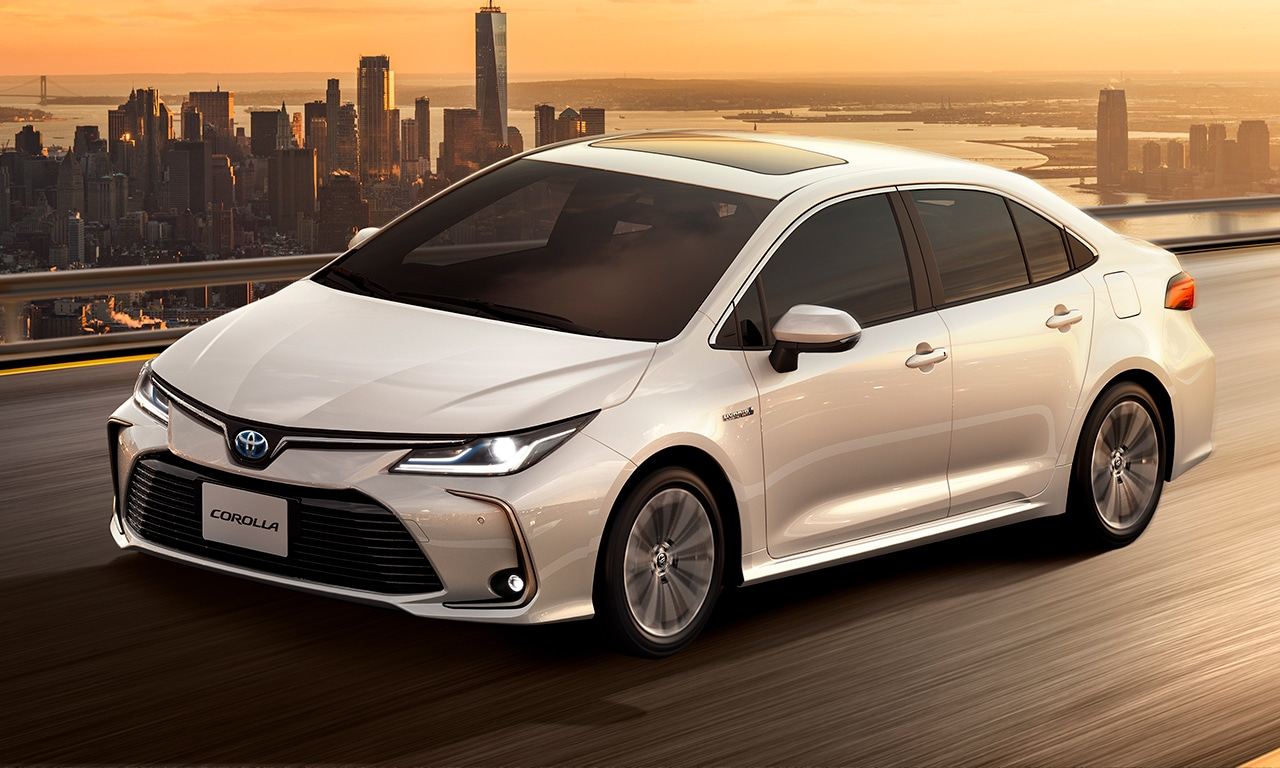
Toyota, the world’s largest automaker, is pivoting towards a hybrid-only lineup for its Toyota and Lexus brands, moving away from gasoline-only models as demand for electric vehicles (EVs) begins to decelerate. Nearly three decades after introducing the Prius, Toyota remains committed to its “multi-pathway” strategy, which includes hybrids, hydrogen fuel cells, and green fuels, rather than focusing solely on EVs. Despite the automotive industry’s push for all-electric vehicles, Toyota Chairman Akio Toyoda predicts that EVs will constitute just 30% of the global market. With models like the Camry and RAV4 already transitioning to hybrid-only variants, Toyota aims to strengthen its market dominance by offering more plug-in hybrids, particularly as U.S. emissions regulations become stricter. By 2030, Toyota plans to convert 30% of its global fleet to EVs while continuing to innovate within the hybrid space, giving the company more time to develop next-generation technologies and navigate evolving market demands.