Yazılar

Poco Plans to Boost Offline Presence and Target Double-Digit Growth in India by 2025

Poco Plans Significant Offline Expansion in India, Targeting Double-Digit Growth by 2025

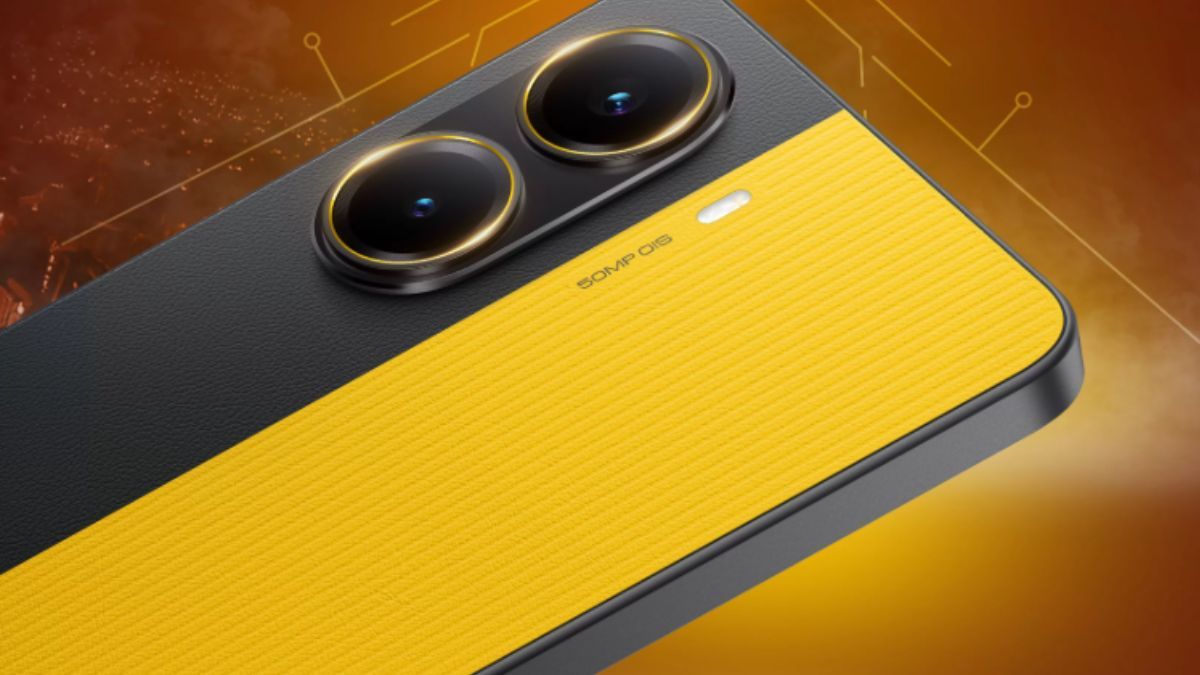
Poco, Xiaomi’s sub-brand, is setting its sights on expanding its offline presence in India, according to a recent interview with the company’s India head. With ambitions to capture a larger share of the Indian smartphone market, Poco plans to achieve double-digit growth in 2025. The company aims to compete with the top five players in India’s competitive smartphone sector over the next few years. This strategic move follows Poco’s previous expansion into new online platforms, including Amazon, in addition to its existing presence on Flipkart.

Himanshu Tandon, the head of Poco India, emphasized the company’s plans for expansion in an interview with ET Telecom. Traditionally, Poco has relied heavily on its online sales model, but the company is now developing strategies to make its phones more accessible through offline channels. This change could potentially boost visibility and sales, as India’s offline retail market continues to grow.

Poco’s target for 2025 includes both double-digit growth in terms of overall sales and the goal of capturing a significant portion of the Indian smartphone market. In Q3 2024, Poco held a 5.8 percent market share in India, reflecting a 6.5 percent year-on-year growth, according to data from the International Data Corporation (IDC). The company’s continued expansion into the offline retail space is expected to fuel further market share growth and elevate its brand presence.

The shift towards offline retail is seen as an important step in Poco’s journey to strengthen its position in India’s highly competitive smartphone market. With its focus on expanding both online and offline reach, Poco aims to not only grow its market share but also challenge the dominant players, offering Indian consumers more choices in the budget and mid-range smartphone segments.
Redmi Turbo 4 Pro May Feature 7,500mAh Battery; Poco F7 Specs Revealed

Redmi Turbo 4 Pro Rumored to Feature Massive 7,500mAh Battery and 90W Fast Charging

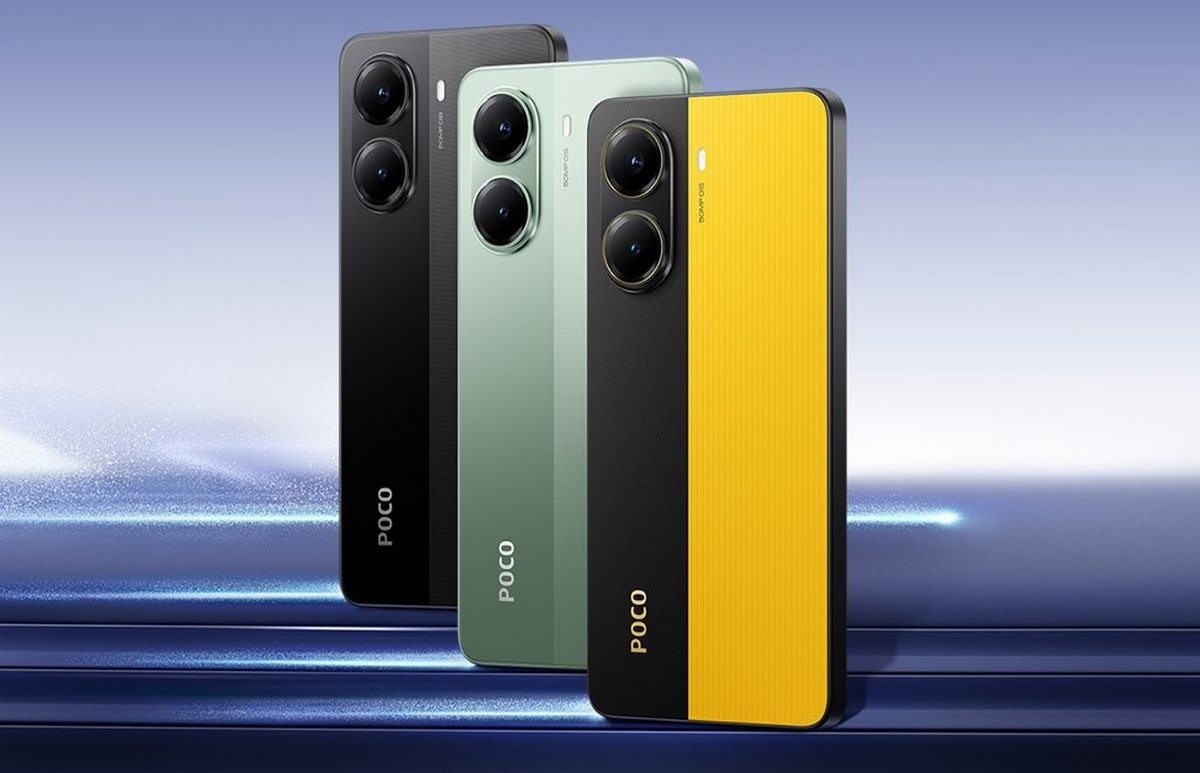
Redmi has announced that its Turbo 4 smartphone will debut in early 2025, powered by the newly unveiled MediaTek Dimensity 8400 chipset. Following this announcement, rumors have surfaced about a Pro variant of the device, tentatively named Redmi Turbo 4 Pro. According to leaks, this handset is expected to pack advanced features, including notable upgrades in battery capacity, charging, and display technology. The device is also speculated to launch globally under the Poco branding as the Poco F7.

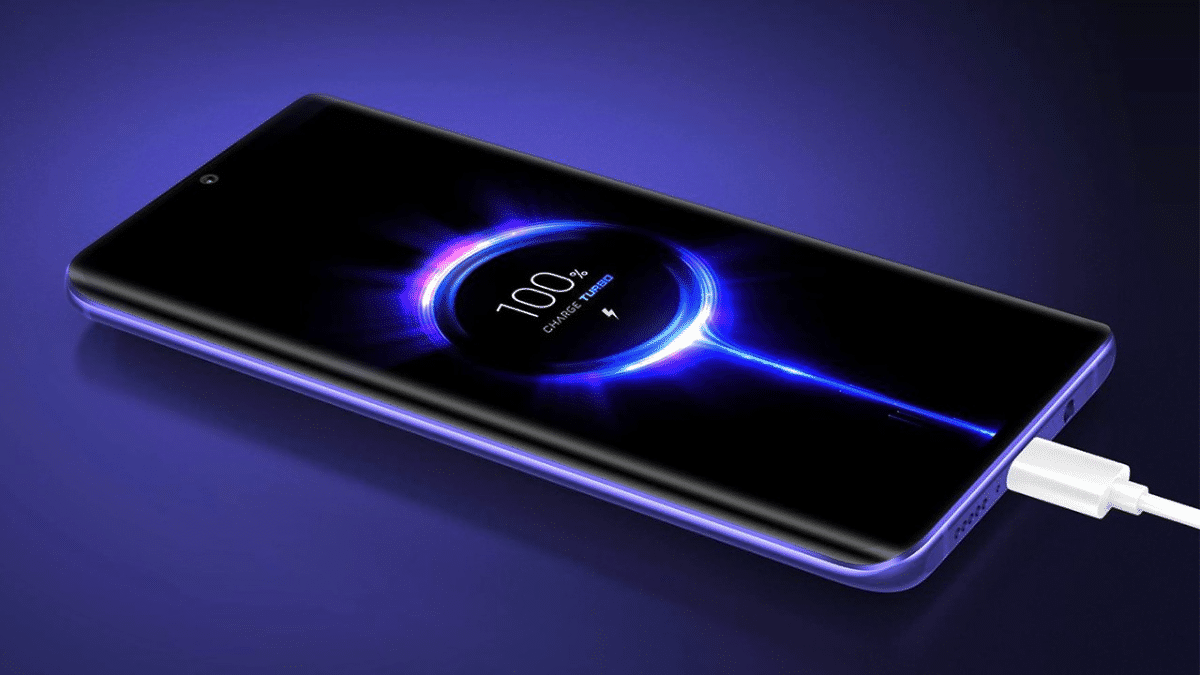
A prominent leak from tipster Digital Chat Station on Weibo suggests that the Redmi Turbo 4 Pro could house a massive 7,500mAh battery, coupled with support for 90W wired fast charging. This impressive battery capacity indicates a strong focus on longevity, making it an ideal choice for heavy users. The leak also hints at the phone featuring a flat display, designed to balance thickness and weight for optimal ergonomics and usability.

In addition to its power and design features, the Redmi Turbo 4 Pro is described as a “performance-focused phone,” according to further comments by the tipster. While the main camera is expected to deliver solid performance, the device reportedly won’t include a telephoto lens, suggesting that the focus will remain on core performance and battery life rather than advanced photography features.

The Redmi Turbo 4 Pro is tipped to launch during the first half of 2025, targeting users seeking powerful hardware and long-lasting battery life. If the rumors hold true, this device could set a benchmark in the mid-range segment, particularly for consumers prioritizing performance and reliability in their smartphones.

Poco X7 5G Specs Revealed: Features MediaTek Dimensity 7300 Ultra SoC and IP68 Water Resistance

The Poco X7 5G is expected to be the next big release from Poco, following the Poco X6, and its specifications have been leaked ahead of the official announcement. The upcoming device is said to come with several improvements over its predecessor, including a more powerful MediaTek Dimensity 7300 Ultra chipset. Unlike the X6, which was powered by a Qualcomm Snapdragon processor, the Poco X7 5G aims to provide an enhanced performance experience with its MediaTek offering. The phone is anticipated to be launched soon, building on the momentum from the recent releases of Poco C75 and M7 Pro in India.

The leaked specifications, shared by tipster Paras Guglani, suggest that the Poco X7 5G will feature a large 6.67-inch AMOLED display with a 1.5K resolution. The screen is expected to support a 120Hz refresh rate for smooth scrolling and gaming, as well as HDR10+ certification for vivid colors and improved contrast. Additionally, the display will come with TÜV Rheinland eye care certification, ensuring better protection for users’ eyes during extended use. For durability, the device will include Corning Gorilla Glass Victus 2, offering added protection against scratches and drops.

Under the hood, the Poco X7 5G will reportedly be powered by the MediaTek Dimensity 7300 Ultra chipset, coupled with up to 12GB of RAM and a generous 512GB of internal storage. This configuration should provide ample processing power for multitasking, gaming, and media consumption. The Dimensity 7300 Ultra has been benchmarked on AnTuTu with an impressive score of 7,04,404, indicating strong performance capabilities. Moreover, the phone is expected to support a virtual RAM expansion feature, further boosting its multitasking efficiency.

With these specifications, the Poco X7 5G looks set to deliver an impressive user experience, offering a balance of performance, display quality, and durability. As the launch approaches, more details about the camera setup, battery capacity, and pricing are likely to emerge, but for now, the phone’s display and processor appear to be its standout features. If these leaks are accurate, the Poco X7 5G could position itself as a strong competitor in the mid-range 5G smartphone market.