Yazılar

Taiwan Re-Opens, Cleans Up After Typhoon Krathon

Southern Taiwan, particularly the major port city of Kaohsiung, began clearing up damage on Friday after Typhoon Krathon caused significant flooding and damage from high winds. The storm, now downgraded to a tropical depression, hit Kaohsiung hard, inundating streets, shattering windows, and scattering debris as it unleashed record-breaking winds. Meanwhile, most of Taiwan resumed normal activities, and financial markets re-opened, though Kaohsiung and neighboring Pingtung County declared a fourth consecutive day off work to focus on recovery efforts.

Officials, led by Kaohsiung Mayor Chen Chi-mai, vowed to restore essential services as quickly as possible. The mayor stressed the urgency of restoring transport, water, and electricity, saying, “We hope as fast as possible to resume transport, water and electricity supplies, so work and life can get back to normal.”

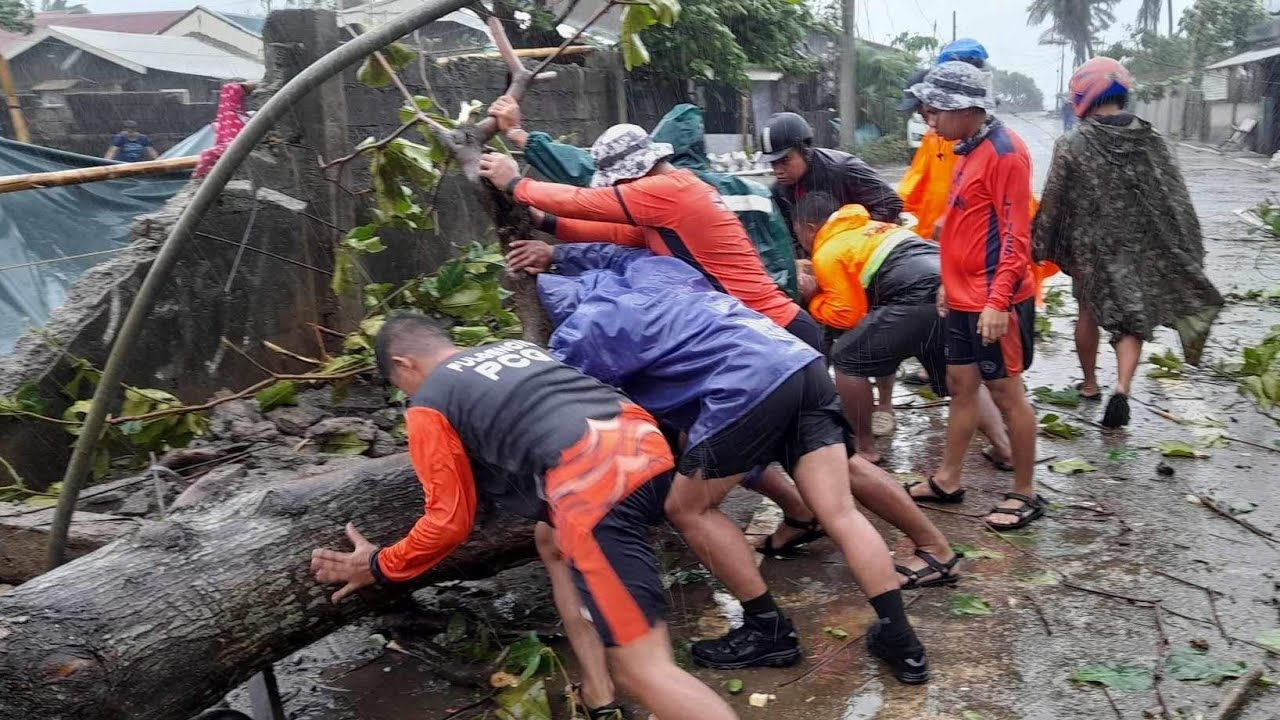
Kaohsiung’s government reported over 2,000 fallen trees obstructing roads, though only two injuries were reported in the city. Workers used cranes to clear debris, including downed trees and traffic signs. Some streets remained impassable, forcing traffic diversions and inconveniencing pedestrians.

Locals shared their experiences of the storm’s intensity. Clark Huang, a 49-year-old resident, described how his sandbags failed to prevent water from flooding his home. “The wind pressed the water in anyway,” he said, adding that cleanup began swiftly once the storm passed. Tsai Ming-an, a 51-year-old engineer, recounted how his home’s ground floor was submerged in about 20 cm (7.8 inches) of water, remarking, “I have never seen winds like that.”

Typhoon Krathon’s path was unusual, striking Taiwan’s flat west coast, rather than the more mountainous and sparsely populated east coast. In the aftermath, nearly 100,000 households in Kaohsiung and Pingtung remained without power on Friday, while 129,000 households in Kaohsiung had no water supply. Despite the widespread disruptions, the city is recovering steadily, and workers at Kaohsiung Port are clearing freight containers displaced by the storm to ensure normal operations continue.

Transportation services were slowly resuming, with Taiwan’s north-south high-speed rail line and most regular rail services back in operation, except for two branch lines. However, disruptions in air travel continued, with 15 international and 88 domestic flights canceled. Kaohsiung’s airport sustained damage to two air bridges, and Orchid Island’s airport lost landing aids, but both airports remained operational.

The death toll from Typhoon Krathon remains at two, both men from Taiwan’s east coast who were killed before the typhoon made landfall. One person is still missing, and 667 people sustained injuries. Rescue and recovery efforts are ongoing, with teams working to restore services and clear the storm’s aftermath.

In addition to dealing with storm damage, authorities are investigating a fire at a hospital in Pingtung that killed nine people. The fire broke out while Typhoon Krathon was bearing down on the region, adding another layer of tragedy to the unfolding disaster.
 

Thousands in North Carolina Still Without Water Days After Hurricane Helene’s Destruction

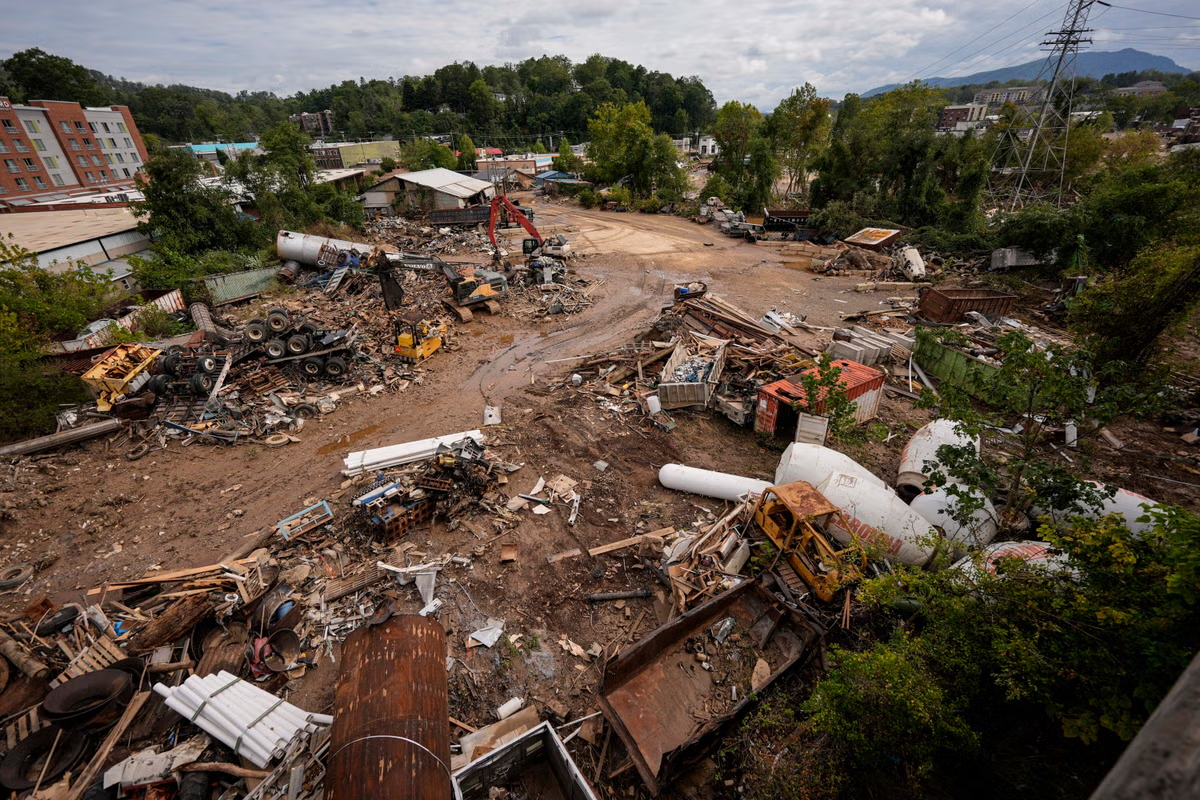
Six days after Hurricane Helene hit the U.S. Southeast, tens of thousands of North Carolina residents are still without running water, with more than 180 fatalities reported across multiple states. The hurricane caused widespread flooding, severely damaging water plants and infrastructure, leaving many residents with no access to clean water. Over a million people remain without electricity, and water distribution sites have been set up to provide essentials to those in need.

The hardest-hit region, Asheville, is experiencing one of the most significant water crises. The city’s water supply system, serving over 150,000 people, has been severely damaged, with residents warned that running water may not return for weeks. Some neighborhoods have no water at all, while others face low pressure and have been advised to boil water before using it. The impact is widespread, affecting homes, businesses, hospitals, and schools, with authorities working around the clock to restore services.

At a food and water distribution hub set up in Pack Square Park, volunteers distributed drinking water and ready-to-eat meals. David Shoham, a resident who has been without power and water since Friday, expressed a common sentiment: “There’s nothing we can do about it individually. We just have to trust that our institutions are going to step up.”

Local businesses are also struggling. Jordan Lance, owner of Buxton Chicken Palace, has been collecting water to prepare meals for residents, though the uncertainty about how long the water shortage will last has left many business owners concerned about their future. Harrison Fahrer, co-founder of Cellarest Beer Project, echoed these concerns, stating, “If we can’t brew, we can’t pay our bills.”

The storm, which first made landfall in Florida as a Category 4 hurricane, brought catastrophic flooding and destruction across the Southeast, affecting multiple states. In Asheville, the storm washed out key water pipes, severely damaging water plants, including North Fork and DeBruhl, making it difficult to restore services. The U.S. Army Corps of Engineers and the National Guard have been deployed to assist in recovery efforts, but the timeline for full restoration remains uncertain.

At least 61 people have died in Buncombe County alone, bringing the storm’s overall death toll to 189 across six states. In addition to the water crisis, search-and-rescue teams are still working to locate the missing and provide aid to survivors.

President Joe Biden visited North Carolina to assess the damage, while Vice President Kamala Harris traveled to Georgia, emphasizing the need for continued federal support in the recovery process. The water crisis in Asheville has also led to the closure of schools, with local officials emphasizing that they cannot reopen without a reliable water supply.

As residents face weeks of uncertainty, the community is banding together to support one another, but the road to recovery will be long.


Hurricane Helene Slams Florida, Bringing Fears of Devastating Damage and Fatalities

Hurricane Helene made landfall late Thursday in Florida’s Big Bend region as one of the most powerful storms to hit the state in recent years. Packing sustained winds of 130 mph (209 kph), Helene, a Category 4 hurricane, has sparked widespread fears of catastrophic damage, fatalities, and extreme flooding, exceeding the levels seen in prior storms.

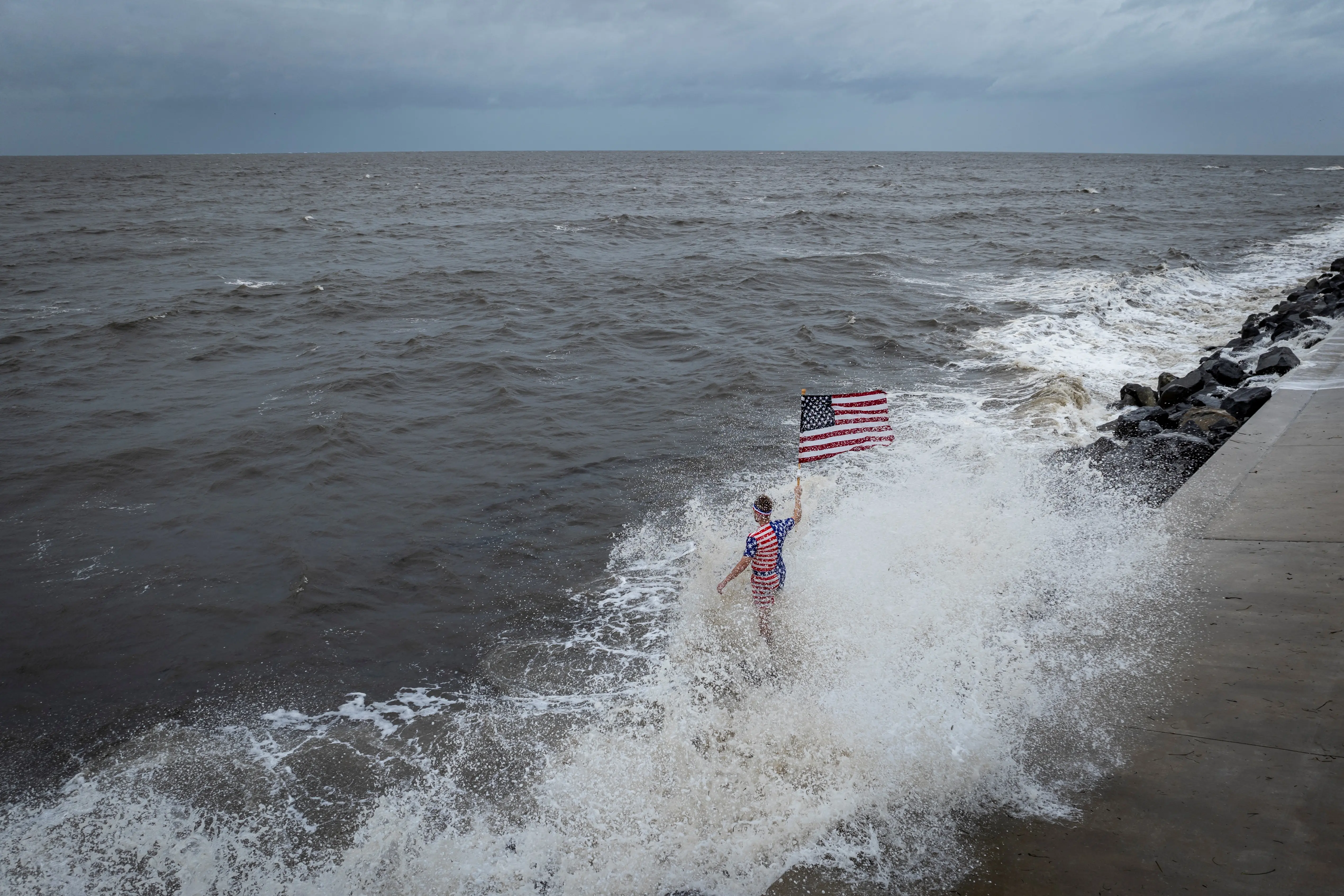
Even before making landfall, Helene wreaked havoc along Florida’s Gulf Coast, flooding large areas and leaving over 1 million people without power. State officials have issued urgent evacuation orders, warning that the storm’s surge—a dangerous wall of seawater driven inland by hurricane-force winds—could rise as high as 20 feet (6.1 meters), equivalent to the height of a two-story building. National Hurricane Center Director Michael Brennan described the situation as “unsurvivable” in some areas, with floodwaters potentially destroying homes and carrying vehicles.

The storm is already lashing Georgia, South Carolina, parts of North Carolina, and Tennessee with strong rain bands. In response, Atlanta, despite being hundreds of miles from Florida’s coast, has been placed under a tropical storm warning. The extreme rainfall is expected to exacerbate flooding across multiple states, while also threatening Georgia’s cotton and pecan crops, both of which are in the middle of their harvest season.

Florida Governor Ron DeSantis reported the first confirmed fatality on Thursday, though details were not immediately provided. Officials have drawn comparisons between Helene and last year’s Hurricane Idalia, which submerged 1,500 homes in low-lying areas. Already, water levels are rising in Pinellas County, where swamped roads and beachside flooding have been reported.

The storm has caused widespread disruption, with airports in Tampa, Tallahassee, and St. Petersburg suspending operations. As Helene moves inland, it is expected to remain a hurricane while passing through Macon, Georgia, and could bring over 12 inches (30.5 cm) of rain in its path, posing a severe threat to both rural and urban areas.

Despite mandatory evacuations, not all residents chose to leave. In Dunedin, Florida, just west of Tampa, 58-year-old Ken Wood, a ferry operator, decided to stay put with his 16-year-old cat, Andy. “We’re under orders, but I’m staying here. The storm looks like it’ll be a bit west of us, but who knows? It’ll be interesting, to say the least,” Wood said.

Taylor County authorities took more drastic measures, advising those who refused to evacuate to write their names and birth dates on their arms in permanent ink in case they needed to be identified posthumously. Meanwhile, reinsurance broker Gallagher Re estimates private insurance losses from Helene could total $3 to $6 billion, with additional losses to federal insurance programs potentially reaching $1 billion.

Energy production sites along the Gulf Coast have scaled back operations and evacuated staff to mitigate risk. Deanne Criswell, the Federal Emergency Management Agency (FEMA) director, announced that she would be traveling to Florida to assess the damage on Friday. According to the National Hurricane Center, Helene could dump as much as 15 inches (38.1 cm) of rain in some areas, raising the risk of flash floods and prolonged power outages due to downed trees and blocked roads.