Yazılar

CATL Reports Slowest Profit Growth in Six Years Amid Price War in China’s EV Market

Contemporary Amperex Technology Co. Ltd. (CATL), China’s leading electric vehicle (EV) battery manufacturer, has reported a 15% increase in net profit for 2024, marking its slowest growth in six years. The company’s net profit reached 50.7 billion yuan ($7.01 billion), falling short of its projected growth range of 11.1%-20.1%. Meanwhile, revenue decreased by 9.7%, marking its first revenue decline since it began releasing operating figures in 2015.

CATL attributed the revenue drop to declining battery prices prompted by a price war in China’s EV market, which pressured EV makers to reduce component costs. Despite rising sales volumes, lower prices of raw materials like lithium carbonate resulted in a fall in operating income.

For the fourth quarter, CATL reported a 13.6% increase in net profit to 14.7 billion yuan, down from the 26% growth seen in the previous quarter. Revenue for Q4 shrank by 3.1% to 103 billion yuan, marking the fifth consecutive quarterly decline.

The price war in China’s EV market has forced CATL to adjust its battery prices to defend market share. However, the company benefitted from a 17.6% reduction in the cost of its power battery business, outpacing an 11.3% drop in revenue from this segment.

Globally, CATL solidified its position as the dominant player in the EV battery market, extending its market share to 38% in 2024, up from 36% in 2023, according to SNE Research. BYD followed with 15%, while LGES saw its share fall to 10% from 13%.

CATL experienced faster growth in the energy storage system battery market, which accounted for 22.4% of total shipments, up from 19.4% in 2023. The company has also expanded beyond batteries, unveiling a new EV chassis in December and seeking to enter the power grid sector.

Additionally, CATL is investing internationally, with a 7.3 billion euro battery plant in Hungary to supply automakers such as Mercedes-Benz and BMW, along with a jointly-owned battery plant with Stellantis in Spain. The company is also pursuing a listing in Hong Kong to raise funds for its Hungarian plant, aiming to secure at least $5 billion.
Tesla Plans Lower-Cost Model Y to Defend Market Share in China

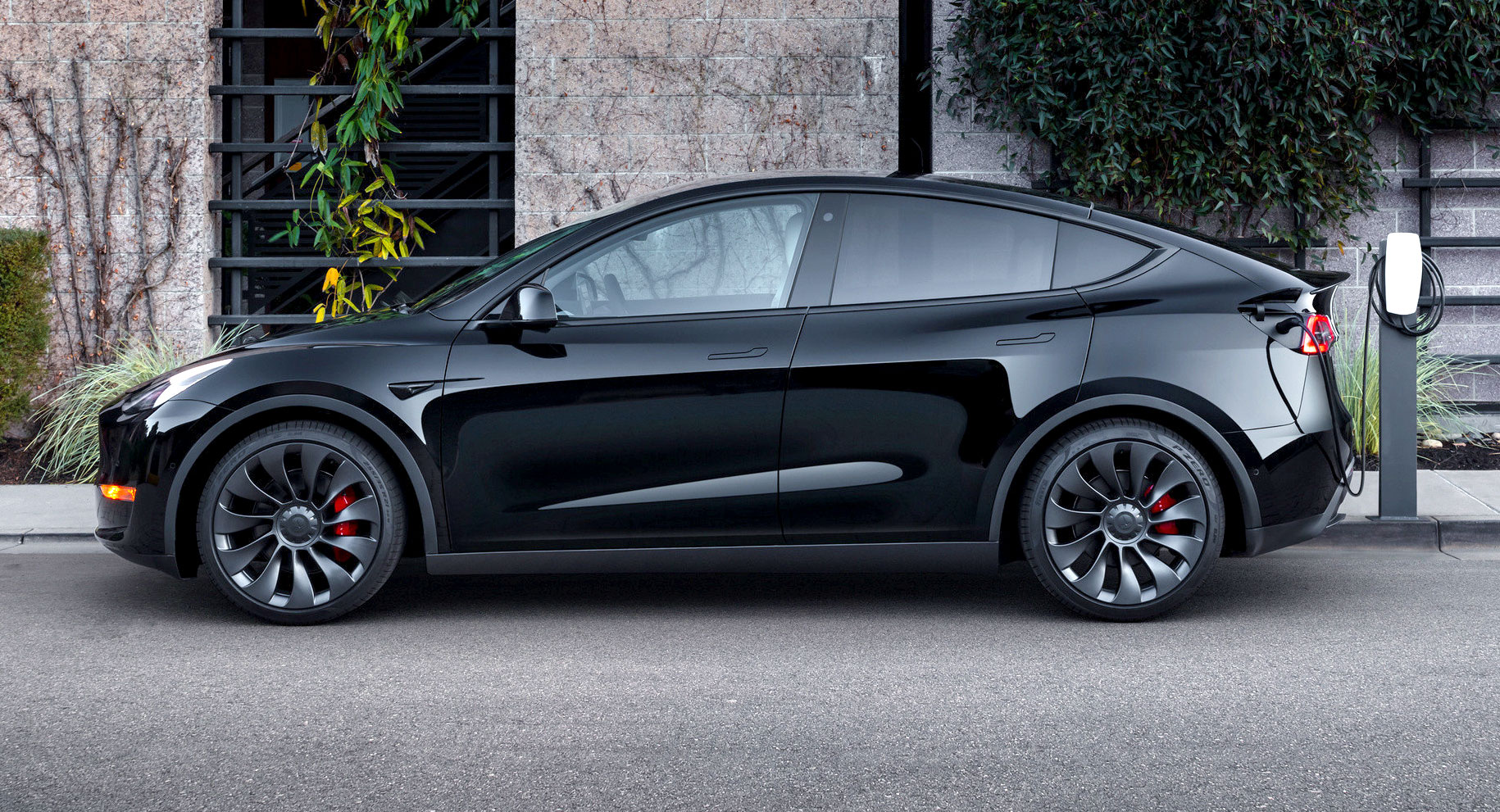
Tesla is set to introduce a lower-cost version of its best-selling Model Y in Shanghai, aiming to recover market share lost during a price war in its second-largest market, according to sources familiar with the plan. The new model, developed under the project codename “E41”, will utilize existing production lines at Tesla’s largest factory by output, with mass production set to begin in 2026.

The upcoming Model Y will be smaller and is expected to cost at least 20% less to produce than the refreshed Model Y launched late last year, which is currently priced starting from 263,500 yuan (~$36,351). This price reduction is part of Tesla’s strategy to defend its market position, particularly in China, where competition from domestic electric vehicle (EV) manufacturers has intensified.

While primarily aimed at the Chinese market, the new model is also planned for production in Europe and North America, though timelines for these markets are not yet specified. Tesla has not commented on the project.

The decision to develop a more affordable Model Y aligns with Elon Musk‘s earlier statement that Tesla would introduce lower-cost models in the first half of 2025, though further details on the exact cost reductions, pricing, and specifications were not disclosed at the time.

In 2023, the Model Y was China’s best-selling car, but its market share has since slipped, now standing at 10.4%, down from 11.7% in the previous year. Tesla faces increased competition from local companies, with models like the YU7 crossover from Xiaomi becoming strong rivals. The YU7 has already outsold Tesla’s Model 3 on a monthly basis since December.

As Tesla contends with rising competition in China, it has focused on introducing various versions of existing models rather than unveiling entirely new products, aside from the Cybercab robotaxi slated for 2026. A six-seat version of the Model Y is also expected to launch in China later this year.

China’s BYD Cuts Entry Price for Smart EVs, Sparking Potential Price War

China’s electric vehicle giant, BYD, made waves on Monday by launching its advanced autonomous driving features on a wide range of models, with prices starting as low as $9,555. This aggressive move, which analysts predict will ignite a price war, significantly undercuts competitors like Tesla. BYD now offers its proprietary “God’s Eye” advanced driver-assistance system (ADAS) on models priced above 100,000 yuan ($13,688), with three models priced below 100,000 yuan, starting at just 69,800 yuan for the Seagull. These new models went on sale immediately following the event.

Previously, BYD only included these high-tech features in EVs priced from $30,000. In comparison, Tesla offers similar features in China on vehicles starting at $32,000. This shift marks a significant democratization of technology, as BYD aims to make smart driving accessible to a broader audience. “Technology does not need to be high-end, and they can fight a price war here,” said Yale Zhang, managing director at Automotive Foresight.

BYD’s move is likely a strategic response to sales plateauing, as the company reached 4 million units sold last year. Industry expert John Zeng from GlobalData believes that smart driving technology could elevate BYD’s sales and put pressure on competitors, especially brands like Xpeng, which may struggle to offer similarly priced EVs with comparable smart features.

The introduction of these affordable smart driving cars comes after a period of aggressive price cuts by BYD, which had already stirred a price war in China’s automotive market. Shares of BYD surged 16% after reports of the smart driving plans surfaced. The company’s founder, Wang Chuanfu, suggested that smart driving will become as essential as seatbelts and airbags, pushing China’s AI-driven auto industry forward. The integration of DeepSeek’s AI models into BYD’s Xuanji smart car platform adds an additional layer to its technological advancements.