Yazılar

Italy’s Data Regulator Blocks DeepSeek AI Chatbot Over Privacy Concerns

Italy’s data protection authority, the Garante, has ordered Chinese AI startup DeepSeek to block its chatbot in the country after the company failed to address concerns over its privacy practices. The regulator had questioned DeepSeek about its handling of personal data, including details on what data is collected, its sources, the purposes for which it is used, its legal basis, and whether it is stored in China.

The Garante’s decision came after the company provided what was deemed “totally insufficient” information, prompting the watchdog to take immediate action to protect Italian users’ privacy. DeepSeek has yet to comment on the ruling.

The Chinese startup, which recently claimed that its AI models rival or outperform industry-leading U.S. models at a fraction of the cost, has made headlines for surpassing ChatGPT as the top-rated free app on Apple’s App Store in the U.S. However, its swift rise has drawn increasing scrutiny over data protection.

The Garante’s order, which took effect immediately, also includes an investigation into DeepSeek’s data handling practices. Meanwhile, other European regulators, including those in France and Ireland, are investigating the chatbot’s privacy policy.

In response to Italy’s concerns, DeepSeek stated that it had removed its AI assistant from Italian app stores after facing scrutiny. However, Agostino Ghiglia, a member of the Garante board, revealed that the company’s stance—which claimed it was not subject to Italian regulation—further aggravated the situation, prompting the block. Ghiglia emphasized that DeepSeek’s lack of cooperation had made the situation worse.

As of Friday, some Italian users who had previously downloaded the app reported that the chatbot was still functional on their devices, and the web version of the service remained operational. The Garante emphasized that citizens must have the right to consent based on how their data is handled, especially when servers in countries outside the EU, such as China, may not provide the same privacy guarantees as European standards.

The Garante has been at the forefront of data protection in Europe, with a history of taking action against companies, including a brief ban on Microsoft-backed ChatGPT two years ago over potential privacy rule violations.

 

Bank of England Pushes Decision on Digital Pound to 2025 or Later

The Bank of England (BoE) announced on Tuesday that no decision will be made for at least two years regarding the introduction of a central bank digital currency (CBDC) for the British public. This effectively delays the timeline for the so-called “digital pound,” a project initially championed by former Prime Minister Rishi Sunak during his tenure as finance minister in 2021.

While the idea of a digital pound gained early momentum, public consultations revealed widespread concerns about privacy, leading to a more cautious approach by the BoE and the current government. In October, BoE Governor Andrew Bailey expressed skepticism about the necessity of a digital currency, stating that it was “not my preferred option.” However, he acknowledged that it might become essential if traditional banks fail to provide competitive payment systems compared to less regulated tech companies.

The BoE confirmed it is collaborating with Britain’s finance ministry on exploring a potential design for the digital currency. This work aligns with earlier consultation plans and will take into account broader developments in the payments landscape.

“After completing the design phase over the next couple of years, the Bank and government will evaluate the policy case for a digital pound and decide whether to proceed,” the BoE stated. A decision is not expected before 2025.

The government has stressed that a digital pound would prioritize privacy but would not offer full anonymity, unlike physical cash. Similar to bank accounts and credit card payments, authorities would retain the ability to monitor transactions in cases of suspected money laundering or terrorism financing.

The BoE emphasized that legislation would ensure user privacy protections. “Neither the Bank nor the government could access users’ personal information or control how households and businesses use their money,” the central bank assured.

Congress Considers Drone Ban for Chinese Manufacturers DJI and Autel

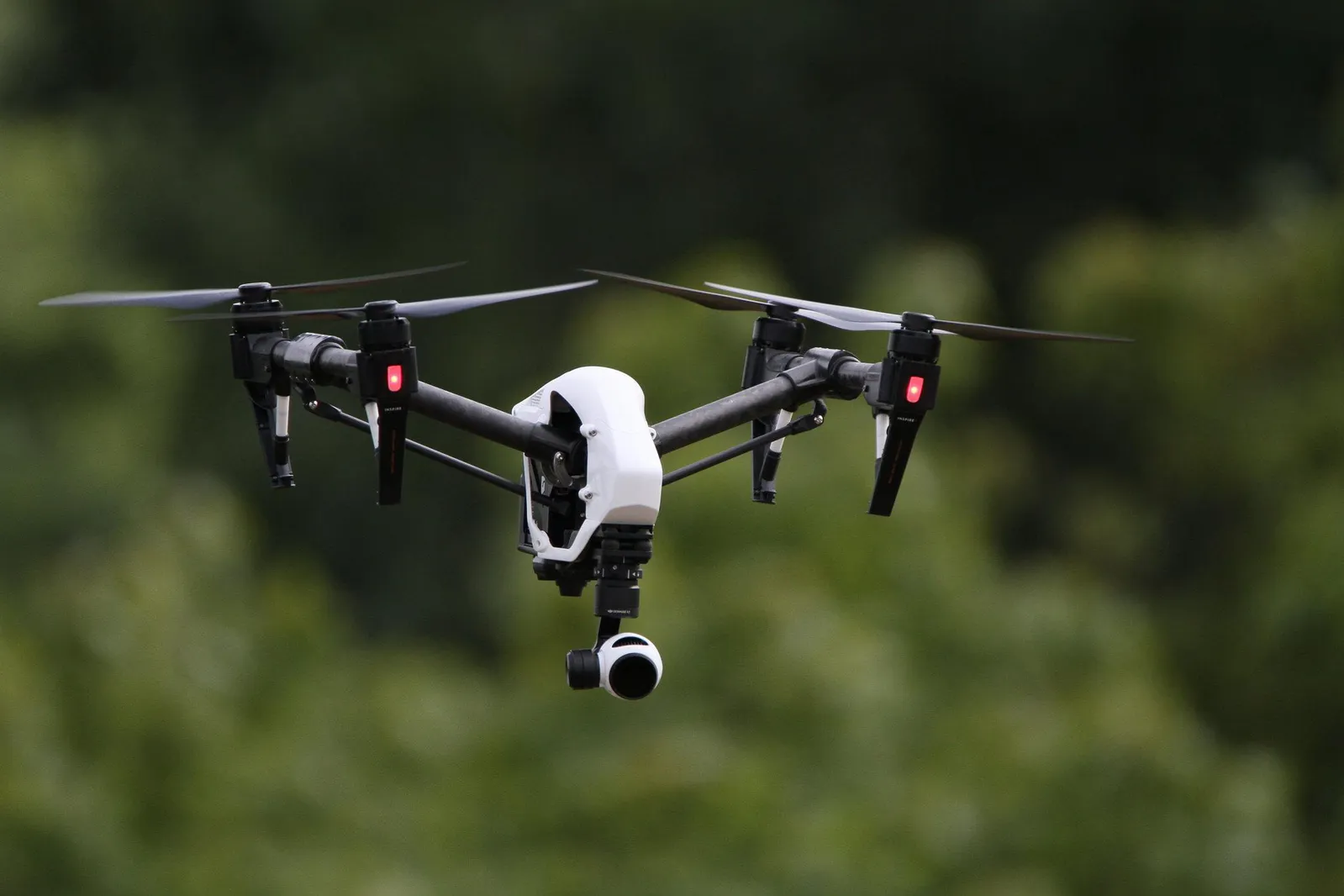
Under a proposed annual military bill, China-based drone manufacturers DJI and Autel Robotics could face a ban on selling new drones in the U.S. market. The 1,800-page bill, set to be voted on by the U.S. House of Representatives later this week, mandates that a national security agency assess within one year whether drones from these companies pose an unacceptable risk to national security.


Potential Impact on DJI and Autel

If no agency conducts the required study, DJI would automatically be added to the Federal Communications Commission’s “Covered List.” This would prevent DJI from launching new products in the U.S. market, even if the company has not been found guilty of any wrongdoing. DJI expressed concerns that its products were being unfairly targeted, stating that it has voluntarily submitted its drones to regular independent security audits and enhanced privacy features.

Autel Robotics, which also faces scrutiny, has not commented on the situation. Last year, a group of bipartisan lawmakers urged the Biden administration to investigate Autel for potential national security risks.


Past Congressional Actions and Legal Challenges

In September, the U.S. House voted to block new DJI drones from operating in the U.S., and the U.S. Commerce Department is reviewing whether to impose similar restrictions on Chinese drones. DJI has also faced legal battles, including a lawsuit against the Department of Defense after being added to a list of companies allegedly linked to Beijing’s military.

In addition, Customs and Border Protection has been halting some DJI drone imports, citing the Uyghur Forced Labor Prevention Act, a measure DJI denies applying to its operations.


Ongoing Concerns Over Security Risks

U.S. lawmakers have repeatedly voiced concerns that DJI drones could be used for data transmission and surveillance, presenting a national security threat. DJI has denied these accusations, asserting that its drones do not compromise the security of U.S. users.