Yazılar

Nvidia-backed Perplexity launches AI-powered Comet browser to challenge Google Chrome

Nvidia-backed startup Perplexity AI announced on Wednesday the launch of Comet, a new AI-powered web browser designed to compete with Alphabet’s dominant Google Chrome. The browser aims to revolutionize web navigation by using intelligent AI agents capable of thinking, acting, and deciding on users’ behalf, streamlining tasks into a conversational experience.

Google Chrome currently dominates the global browser market with a 68% share as of June, far ahead of competitors like Safari, Microsoft Edge, and Firefox.

Comet offers users a unified interface where they can ask questions, perform tasks such as booking meetings, compare products, and summarize complex content—all via a built-in AI assistant. The browser targets simplifying workflows with natural language interactions.

Currently, Comet is accessible to subscribers of Perplexity Max, which costs $200 per month, with plans for a wider rollout by invite over the summer.

Backed by investors including Jeff Bezos, SoftBank, and Nvidia, Perplexity is positioning Comet not only as a browser competitor but also exploring new revenue avenues through advertising and e-commerce integration.

The move follows similar AI enhancements by competitors: OpenAI added a search engine feature to ChatGPT, and Google launched AI Overviews, an AI-driven search summary tool, last May.

Comet prioritizes user privacy by storing data locally and not using personal information for AI model training—a key differentiator likely to attract privacy-focused users.

However, Perplexity faces criticism from media companies like News Corp, Forbes, Wired, and Dow Jones for allegedly using their content without permission or payment. In response, Perplexity has introduced a publisher partnership program aimed at fostering collaboration with news organizations.

Italy Ends Spyware Contracts with Israeli Firm Paragon Amid Controversy

Italy and Israeli spyware maker Paragon have terminated their contracts following allegations that the Italian government used Paragon’s technology to hack phones of government critics, according to a parliamentary report released Monday and statements from both parties.

The fallout stems from a report by Italy’s parliamentary security committee (COPASIR) and earlier revelations from Meta’s WhatsApp, which disclosed that Paragon spyware targeted multiple users including an investigative journalist and members of Mediterranea, a migrant rescue charity critical of Prime Minister Giorgia Meloni.

The government acknowledged that seven Italian phone users had been targeted but denied involvement in illicit surveillance and said it had tasked the National Cybersecurity Agency to investigate. COPASIR’s report states that Italian intelligence services initially suspended and later ended their contracts with Paragon after the media backlash, though the exact timing remains unclear.

Contradictory statements have fueled political criticism, with opposition parties demanding clarity. Paragon claims it ceased providing spyware after allegations against journalist Francesco Cancellato became public, but said the government declined joint investigation offers to verify whether Cancellato was spied on. The committee found no evidence Cancellato was surveilled with Paragon’s tools.

COPASIR also detailed that Italy’s domestic and foreign intelligence agencies used the spyware sparingly, with prosecutor approval, for law enforcement purposes including counter-terrorism, fugitive searches, and anti-smuggling. It stated that spying on Mediterranea activists related to their activities potentially connected to irregular immigration, with authorization from the government.

Undersecretary Alfredo Mantovano, responsible for intelligence oversight, authorized the spyware use on Mediterranea activists Luca Casarini and Beppe Caccia in September 2024. Meanwhile, six Mediterranea members, including Casarini and Caccia, face trial accused of aiding illegal immigration, charges they deny.

The scandal has drawn calls for parliamentary inquiry and public scrutiny over surveillance ethics and government transparency.

Trump-Musk Rift Raises Regulatory Risks for Elon Musk’s Business Empire

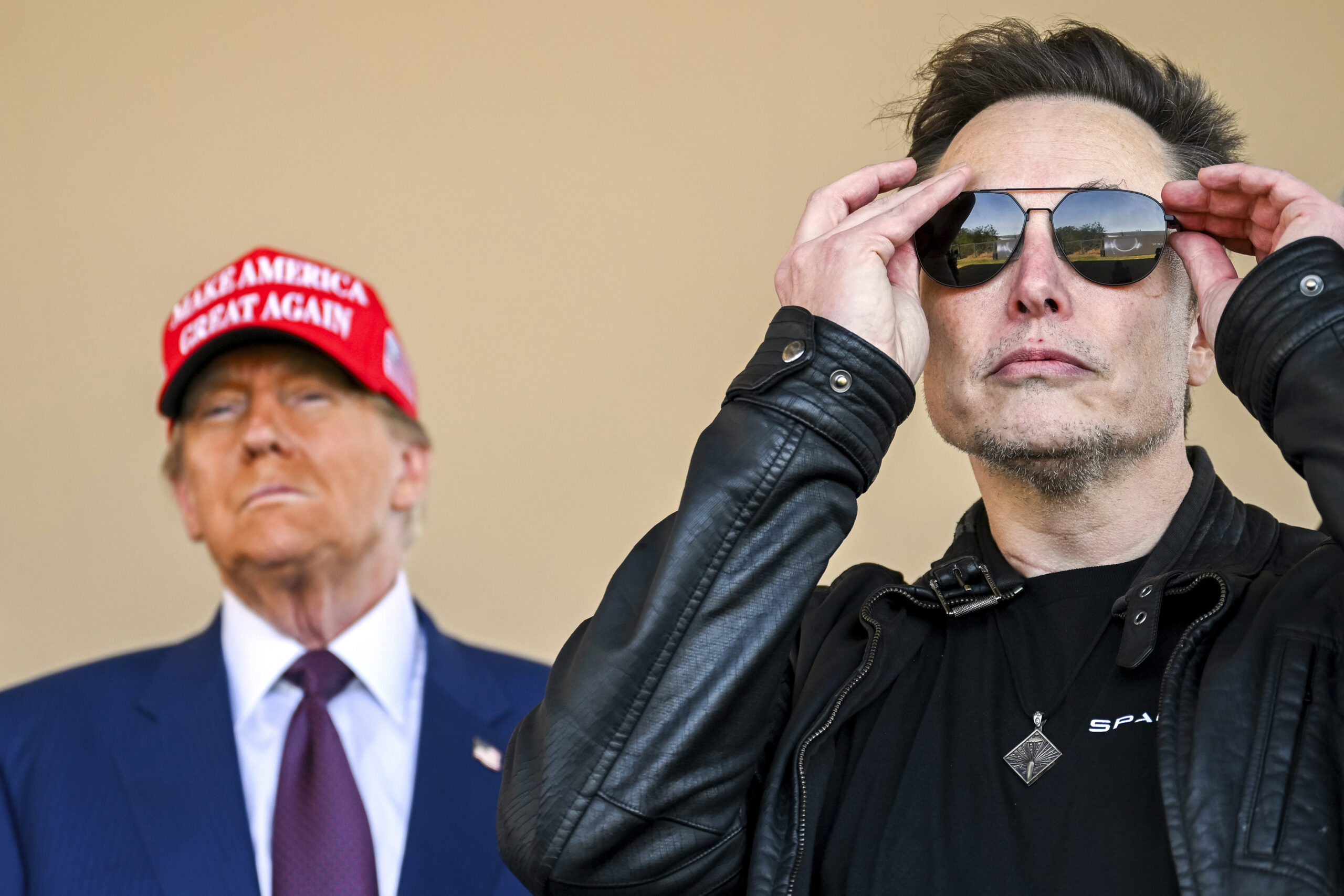
Elon Musk’s deteriorating political relationship with former President Donald Trump may expose his vast business empire to heightened regulatory scrutiny across multiple U.S. agencies. As political tensions escalate, the risk that regulators may more aggressively oversee Musk’s various companies has become a growing concern. Below is an overview of the key U.S. regulators with authority over Musk’s enterprises, and the potential challenges ahead:

Federal Communications Commission (FCC)
The FCC oversees the allocation of spectrum critical to SpaceX’s Starlink satellite internet service. In April, the FCC launched a review of its longstanding spectrum sharing rules, potentially affecting SpaceX’s access to expanded frequencies necessary to enhance its coverage. While the review aims to modernize spectrum usage, it may also result in stricter rules or delays for SpaceX, depending on the political climate and regulatory stance.

Food and Drug Administration (FDA)
The FDA regulates clinical trials for Neuralink, Musk’s brain implant company. While Neuralink has secured FDA approval for initial human trials, earlier safety concerns cited by the agency in 2023 remain relevant as trials progress. Any missteps or adverse events in ongoing studies could prompt the FDA to halt or delay the company’s development timeline.

Environmental Protection Agency (EPA)
SpaceX’s Starbase launch facility in Texas falls under the EPA’s jurisdiction for environmental compliance, particularly regarding wastewater discharge and environmental impact assessments under the National Environmental Policy Act. Rocket launches and tests, which have included multiple explosions, may invite further scrutiny, particularly if environmental groups or political adversaries exert pressure on federal agencies.

National Highway Traffic Safety Administration (NHTSA)
Tesla’s Full Self-Driving (FSD) technology remains under active investigation by NHTSA, especially regarding its performance under poor visibility conditions. The agency recently requested detailed information on Tesla’s robotaxi service set to launch in Austin, Texas, this month. Any regulatory findings could impact Tesla’s ability to scale its self-driving services.

Federal Aviation Administration (FAA)
The FAA proposed a $633,000 fine against SpaceX last year for license violations during launches. With ongoing investigations and the potential for future launch failures, the FAA holds significant leverage over SpaceX’s launch schedule and licensing requirements.

Securities and Exchange Commission (SEC)
Musk continues to face legal battles with the SEC, including litigation related to his 2022 acquisition of Twitter (now X). The regulator is also reportedly investigating Neuralink, raising additional legal exposure. Any adverse findings could impact Musk personally as well as his companies’ access to capital markets.

Federal Trade Commission (FTC)
The FTC oversees data privacy and antitrust compliance for social media platforms, including X. The agency is currently investigating whether certain media watchdog groups coordinated advertiser boycotts of X, a situation Musk claims is anti-competitive. The FTC’s broader mandate to protect consumer privacy could result in further investigations, particularly regarding data protection for minors.

Political Climate Raises Stakes
While these agencies have long held authority over Musk’s operations, his prior friendly ties to Trump may have provided a degree of political insulation. The recent breakdown in their relationship removes that buffer, potentially leaving Musk more exposed to adversarial regulatory action depending on future election outcomes and shifting political alliances.

With businesses spanning electric vehicles, space exploration, telecommunications, brain-computer interfaces, and social media, Musk’s cross-sector reach makes him uniquely vulnerable to regulatory actions from multiple federal agencies simultaneously.