Yazılar

China’s Factory and Service Sector Activity Declines in September

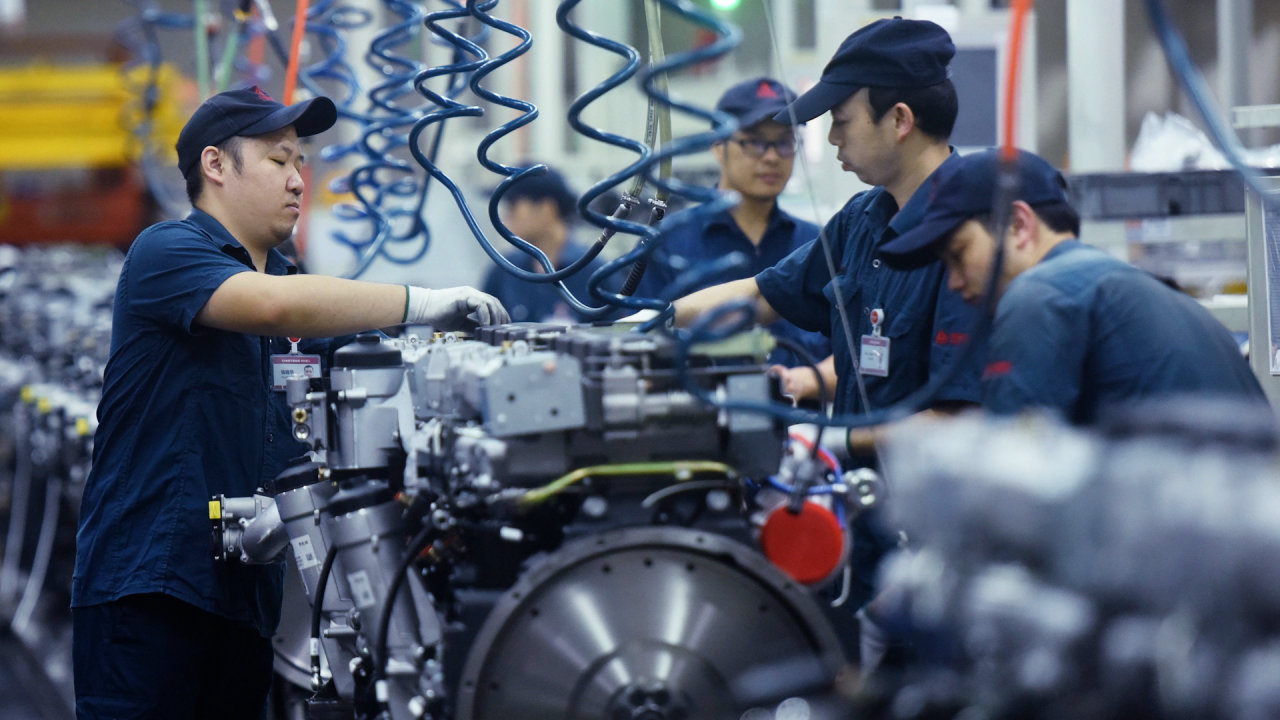
China’s factory activity contracted for the fifth consecutive month in September, and the services sector experienced a sharp slowdown, signaling that more aggressive stimulus measures may be required for Beijing to meet its 2024 growth target. The National Bureau of Statistics (NBS) reported a rise in the Purchasing Managers’ Index (PMI) to 49.8, slightly higher than August’s 49.1, but still below the 50-point threshold that separates growth from contraction. The reading, however, was the highest in five months and exceeded forecasts.

Despite the slight improvement, paired with a weak private-sector Caixin survey and sluggish service PMIs, the data highlighted continued struggles in China’s manufacturing and consumer sectors. Policymakers have acknowledged the emergence of “new problems” in the economy, pushing for more robust stimulus.

Last week, Chinese authorities launched their most significant stimulus package since the COVID-19 pandemic, leading to a rally in the stock market. The rally continued into Monday as share markets extended their gains. While some positive signs emerged in manufacturing, economists are skeptical about whether recent policy announcements, including loosened property curbs in major cities, will be enough to spur recovery.

Zhiwei Zhang, chief economist at Pinpoint Asset Management, emphasized that while these policies may benefit cities with limited real estate markets, the macroeconomic challenges will require stronger fiscal measures. The central bank, along with the top financial regulator, introduced additional measures on Sunday night to aid the housing market, including plans to reduce mortgage rates on existing home loans by the end of October.

The services sector also showed signs of weakness, with the official services PMI dipping to 49.9 in September, marking its first contraction since December 2022. The Caixin services PMI similarly reflected a slowdown in the sector. Zhao Qinghe, an NBS statistician, attributed this decline to the end of the summer travel season and extreme weather conditions like typhoons in some areas.

In contrast, the official construction PMI saw a slight increase, rising to 50.7 from 50.6 in August. To further support growth, China plans to raise 1 trillion yuan through special bonds to boost consumer goods subsidies and business equipment upgrades. Additionally, another 1 trillion yuan in special debt issuance is planned to help local governments manage their debt.

Efforts to stabilize the property market have also been a focus, with major cities like Shanghai and Shenzhen set to ease home purchase restrictions in the coming weeks. Guangzhou has already lifted all purchase restrictions as of Sunday.

With China’s Golden Week holiday approaching, analysts are now watching for signs of increased consumer spending, particularly in property sales and consumption, which could provide insight into the effectiveness of recent stimulus efforts.
 

China Unveils Broad Stimulus Measures to Revive Economy

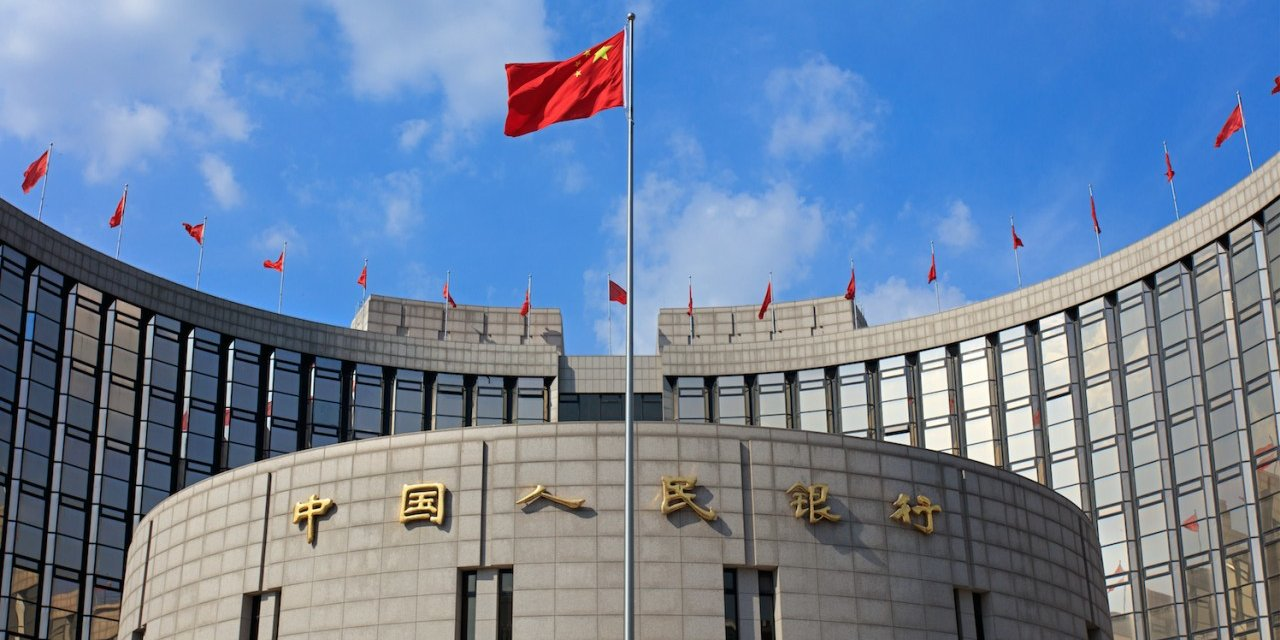
China’s central bank announced wide-ranging monetary stimulus and property market measures on Tuesday, aiming to revive an economy facing deflationary pressures and at risk of missing its growth target for the year. The People’s Bank of China (PBOC) revealed plans to lower borrowing costs, increase liquidity, and ease the burden of mortgage repayments for households, marking the latest attempt to restore confidence in the world’s second-largest economy after months of disappointing economic data.

Stocks and bonds in China rallied as Governor Pan Gongsheng outlined the measures, which include cutting banks’ reserve requirement ratios (RRR) by 50 basis points (bps). This move will free up around 1 trillion yuan ($141.93 billion) for new lending, though credit demand remains weak. The PBOC will also lower the seven-day repo rate by 0.2 percentage points to 1.5%, and reduce the medium-term lending facility rate by 30 basis points. Loan prime rates will also see a 20-25 bps cut.

The property market, a major driver of China’s economy, received further support with a 50 bps reduction in average interest rates for existing mortgages and a reduction in the minimum down payment to 15% for all types of homes. China’s property market has been in decline since its peak in 2021, and the crisis has heavily impacted consumer confidence, with 70% of household savings tied to real estate.

Despite earlier efforts to lower mortgage rates and downpayment requirements, demand for homes remains weak, and prices continue to fall. August’s economic data missed expectations, adding urgency to the stimulus package. Analysts warn, however, that these measures may not be sufficient to fully restore growth unless complemented by stronger fiscal policies.

Local governments have accelerated bond issuance to fund infrastructure projects, and analysts expect further support measures in the coming weeks as China aims to meet its roughly 5% growth target for the year. The recent U.S. Federal Reserve rate cut has provided room for the PBOC to ease its own monetary policies without putting too much pressure on the yuan.

Analysts, including those from investment banks such as Goldman Sachs and UBS, have already downgraded their growth forecasts for 2024, but they see Tuesday’s measures as a positive step towards economic recovery. ING’s Chief Economist for Greater China, Lynn Song, believes there is potential for further easing in the coming months, especially if global central banks continue cutting rates.


Calls for China to Stimulate Growth Intensify Amid Economic Challenges

Economists are increasingly advocating for China to implement stimulus measures to boost its economic growth, with calls coming from within the country. Liu Shijin, a former deputy head of China’s Development Research Center, has proposed that China issue at least 10 trillion yuan ($1.42 trillion) in ultra-long government bonds over the next year or two to invest in human capital. In a presentation at Renmin University’s China Macroeconomy Forum, Liu emphasized that China should avoid copying the stimulus strategies of developed nations, such as cutting interest rates, as it has not yet reached that level of economic deceleration.

China’s recovery following the COVID-19 pandemic has been slower than expected, with ongoing challenges such as a real estate slump and low consumer confidence. Manufacturing growth has also decelerated, and major financial institutions like Goldman Sachs have lowered their 2024 growth forecasts for China. Goldman Sachs cut its growth estimate to 4.7%, citing weaker-than-expected data and the delayed impact of fiscal policies.

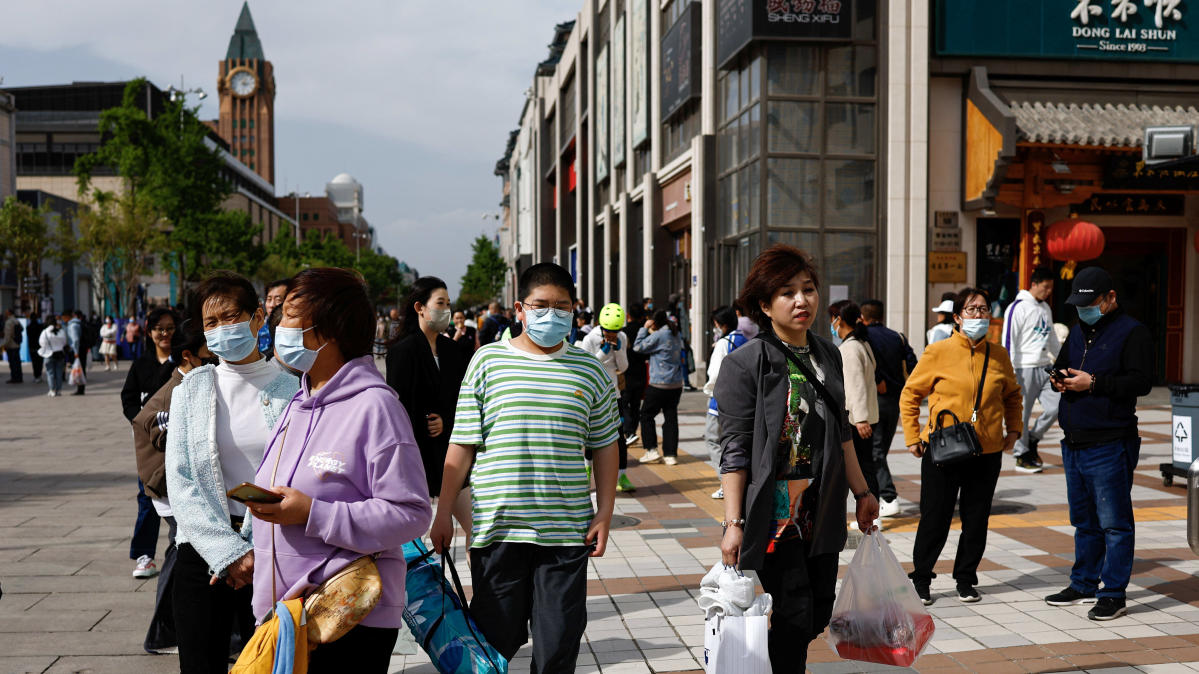
Despite Beijing’s efforts to address economic concerns, such as targeted subsidies for consumer goods, the effects have been limited. Retail sales in August saw minimal growth, rising only 2.1% year-on-year, one of the slowest rates since the post-pandemic recovery. Meanwhile, the ongoing real estate slump, which once accounted for over a quarter of the Chinese economy, remains a significant drag on growth.

Economist Xu Gao of Bank of China International highlighted the real estate market as a key issue, pointing out that consumer demand exists, but concerns over property developers failing to complete pre-sold units have deterred homebuyers. Xu urged the government to take more robust measures, including bailing out property owners, to stabilize the housing market.

While China’s leadership has prioritized advanced manufacturing and technological development in the face of U.S. restrictions, experts argue that the country needs to focus on fiscal reforms to address immediate economic challenges. Former People’s Bank of China governor Yi Gang recently called for proactive fiscal policy to combat deflationary pressure. However, Yi’s influence on current economic policy is limited, as noted by Gabriel Wildau, managing director at consulting firm Teneo.

China’s economic data from the first half of 2024 showed 5% growth, but local governments are facing fiscal constraints, limiting the effectiveness of infrastructure investment. Ting Lu, Nomura’s Chief China Economist, warned of potential secondary shocks to the economy, suggesting that fiscal policies and reforms should take precedence over monetary policies. Lu also advocated for direct government intervention to stabilize the property market and support local governments struggling under tight financial conditions.

Despite these challenges, some officials remain optimistic. Former vice finance minister Zhu Guangyao expressed confidence that China could achieve its 2024 growth target of around 5%, with long-term GDP growth projected to remain between 4% and 5% annually over the next decade.