Yazılar

RedNote: What to Know About the Chinese App TikTok Users Are Flocking To

RedNote, the Chinese social media platform that has gained significant attention following a surge of TikTok users flocking to it in light of the potential ban of the short video app in the U.S., is becoming a topic of widespread interest. Known in China as “Xiaohongshu” or “Little Red Book,” RedNote has long been a favorite lifestyle app where users share recommendations and document various aspects of their lives. Here’s an overview of the platform:

What is RedNote?

RedNote is often compared to Instagram in China. It has evolved into a major source for lifestyle content, particularly related to beauty, fashion, food, and travel. The platform’s format is unique compared to TikTok or Instagram, displaying multiple posts (videos, photos, or longer text) simultaneously. Users can engage in discussions, share their own posts, connect through calls, and even purchase products. The app has also been increasing its focus on livestream sales.

As of 2023, RedNote had over 300 million monthly active users, with a large portion of them being young, female Chinese consumers. The app is highly regarded as a key platform for searching trending topics and lifestyle recommendations.

Who Owns RedNote?

Founded in 2013 by Miranda Qu (President) and Charlwin Mao (CEO) in Shanghai, RedNote was originally called “Hong Kong Shopping Guide” and aimed at Chinese tourists seeking shopping advice outside of mainland China. Today, the app is seen as a potential IPO candidate and is backed by investors such as Alibaba, Tencent, Temasek, and various venture capital firms. The personal wealth of RedNote’s co-founders, Mao and Qu, is significant, with their fortunes estimated at $2.5 billion and $1.7 billion, respectively.

Does RedNote Have Global Ambitions?

While RedNote’s primary user base is in China, the recent influx of TikTok users has raised the platform’s international profile. The company has been caught off-guard by this sudden surge of non-Chinese users, many of whom are seeking alternatives in light of TikTok’s uncertain future in the U.S. In response, RedNote is working to adapt its platform by developing English-language content moderation tools and translation features to accommodate global users.

Unlike other Chinese apps such as WeChat and TikTok, RedNote does not have separate versions for international and domestic audiences, which could pose both challenges and opportunities as it seeks to expand globally. The influx of international users is a potential pathway for RedNote to follow in TikTok’s footsteps and achieve similar worldwide popularity.
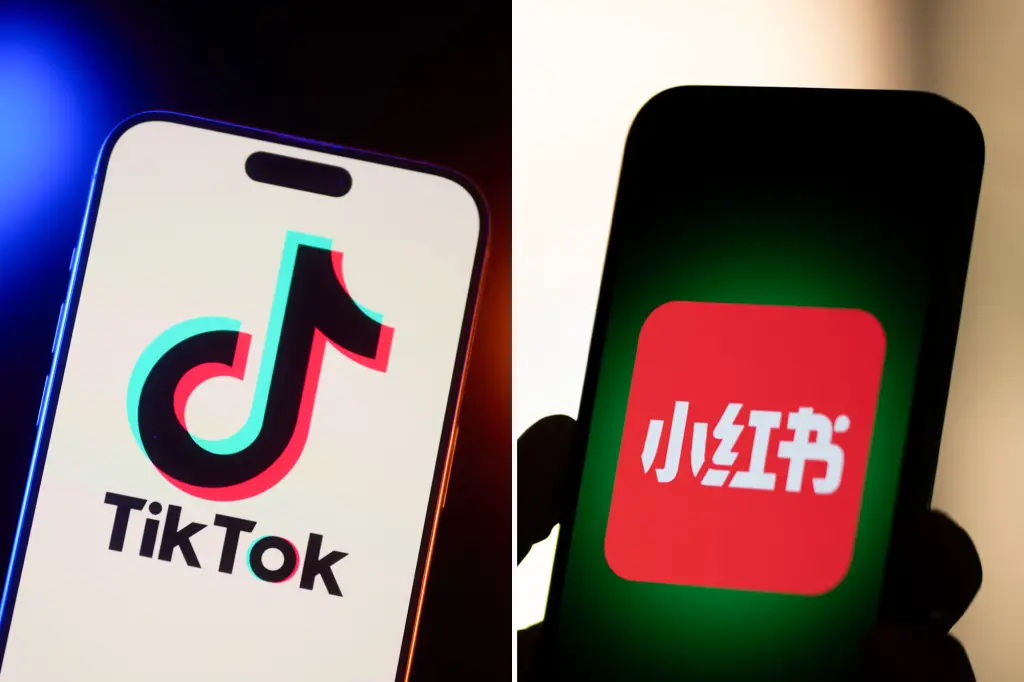
 

China Welcomes ‘TikTok Refugees’ on RedNote Amid Growing Tensions with U.S.

Chinese social media app RedNote has experienced an influx of new users, primarily from the U.S., in recent days. The surge in registrations has been driven by concerns over a potential U.S. ban on TikTok, leading many Americans to seek alternative platforms. RedNote, known in China as Xiaohongshu, has transformed from a lifestyle-sharing app to a surprising venue for U.S.-China cultural exchange. Newcomers have been welcomed with selfies and messages, with Chinese users eager to respond to inquiries about everything from Chinese food to tourist attractions.

Despite the warm reception from some, not all Chinese users are thrilled with the changes. Some have voiced concerns about their platform being overtaken by foreign influences, while nationalist bloggers have warned against the potential spread of American ideologies. The sudden shift in user demographics has raised alarms among certain sectors of Chinese society, including some critics who believe foreign users could subtly promote Western values.

China’s foreign ministry emphasized that the use of social media is a “personal choice” and reiterated the country’s support for cultural exchanges. RedNote, unlike many Chinese social media platforms that require foreign phone numbers, does not impose such restrictions, making it more accessible to international users. However, some reports suggest that certain users are testing the platform’s censorship boundaries, particularly on sensitive topics such as the Tiananmen Square incident.

Experts predict that the sudden popularity of RedNote among U.S. users may be short-lived, with the platform unprepared to handle the influx of foreign content. While the atmosphere remains welcoming for now, it remains unclear how long this exchange will last in the face of potential censorship challenges.


US TikTok Users React as ByteDance Signals App Shutdown

Disappointment, confusion, and frustration swept through TikTok’s U.S. user base on Wednesday after reports emerged that ByteDance, the app’s Chinese owner, is planning to shut down the platform for 170 million U.S. users by Sunday. The announcement seemingly marks a concession to U.S. lawmakers who imposed a deadline for ByteDance to divest its U.S. assets or face a ban, leading many users to express resignation after months of uncertainty.

TikTok users, who have built careers and substantial followings on the platform, had hoped that the app could escape a U.S. ban passed in 2023. However, as the January 19 deadline looms, some users are beginning to accept the impending shutdown. Joonsuk Shin, a 28-year-old research manager and content creator from New York, expressed his dismay, saying, “TikTok signaling that white flag is very discouraging and very sad.”

In response, some users have called for boycotts of rival platforms like Meta’s Instagram and Facebook, as well as X (formerly Twitter), predicting that advertisers who once relied heavily on TikTok will shift to those services. One user posted, “We all need to delete our Facebook, X, and Instagram accounts that same day.”

The shutdown follows U.S. lawmakers’ concerns about national security risks, with fears that China could potentially access or demand U.S. user data from TikTok. While the company has repeatedly denied any claims of sharing user data with the Chinese government, the threat of a ban has become imminent. TikTok and ByteDance have been fighting the law in court, arguing that the ban violates the First Amendment rights of free speech.

If the U.S. Supreme Court does not intervene, users trying to access TikTok on Sunday will be redirected to a shutdown website, confirming the app’s termination. Content creators like Amber Goode, a 28-year-old true crime influencer from Colorado Springs, expressed frustration over the prolonged uncertainty, remarking, “Why are they playing with us? I feel like the government is avoiding giving us the answer they already know.”

Although some users are now preparing for the worst, others remain hopeful. There were reports earlier this week that a 270-day extension of the shutdown deadline might be in the works, but this prospect was fading as the deadline approached. As TikTok’s fate hangs in the balance, many users have already begun migrating to alternatives, including China-based apps like RedNote, often using translation tools to navigate the platforms.

For others, the situation is deeply personal. One TikTok user shared a heartfelt post, saying, “My daughter passed away in 2023. I’ve been saving all her videos to my phone. I can’t lose those.” The impending shutdown is forcing many creators to scramble to preserve their content and maintain connections with their followers.

Ishpal Sidhu, a former attorney turned full-time creator with nearly 400,000 followers, voiced her concern about losing her platform and income, saying, “It’s pretty sad because I thought we were making progress.” Sidhu wondered if she would continue receiving payments for her content once the app shuts down.

Meanwhile, users outside the U.S. have begun to react more bluntly, with some expressing relief that the algorithm-driven chaos of American social media woes might now recede from their feeds. New Zealand content creator Luke Hopewell jokingly declared, “Say goodbye to the Americans.”