Yazılar

As Musk Gains Influence, Questions Hover Over U.S. Probes into His Empire

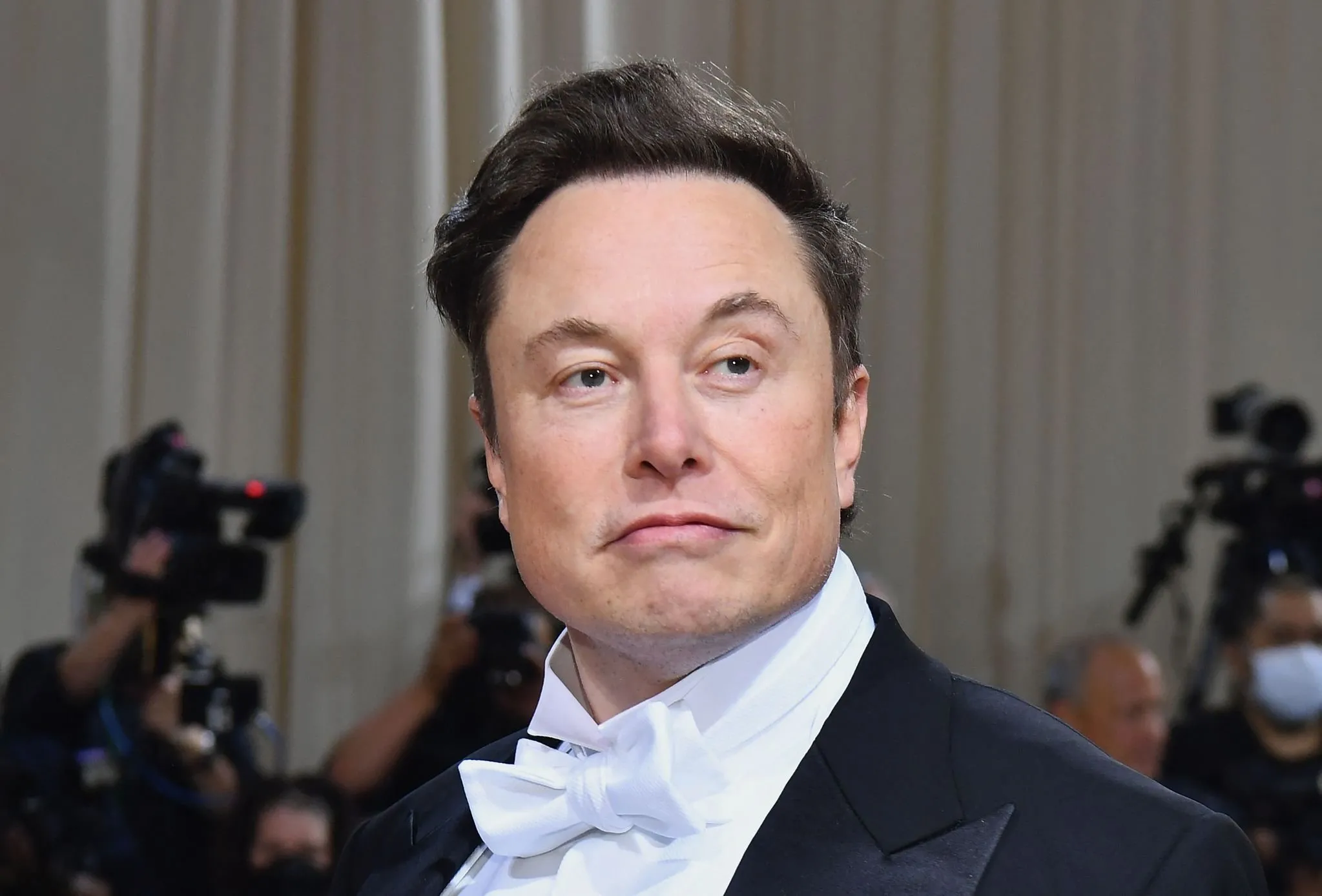
In the final days of the Biden administration, the U.S. Securities and Exchange Commission (SEC) gave Elon Musk a tight deadline to settle or face civil charges related to alleged securities violations during his $44 billion acquisition of Twitter in 2022. Musk broke the news on social media, posting a sarcastic comment aimed at SEC Chair Gary Gensler, questioning the motives behind the ultimatum and hinting at potential political influences.

The SEC is far from the only agency scrutinizing Musk’s business empire. Musk has long criticized government oversight, positioning himself as a victim of regulatory overreach hindering his companies’ innovations. With the imminent inauguration of Donald Trump, Musk’s influence over the U.S. government has raised concerns about how ongoing federal investigations into his companies—SpaceX, Tesla, and Neuralink—might be handled.

At least 20 investigations are reportedly ongoing into Musk’s companies, ranging from security violations related to Tesla’s Autopilot system to alleged animal-welfare violations at Neuralink. Despite these investigations, the approaching Trump administration has prompted questions about whether the probes might be dropped or sidelined due to Musk’s relationship with Trump.

Musk’s close ties with Trump are evident—he has called himself Trump’s “first buddy,” visited Trump’s Mar-a-Lago estate, and publicly supported his political appointments. Trump has even appointed Musk to co-lead a private advisory group on government efficiency, which Musk has said could help reshape national driverless-vehicle regulations to benefit Tesla.

Concerns Over Political Interference

The potential for political interference has become a topic of debate. While some experts suggest that prosecutors may still push forward with investigations if they have sufficient evidence, others argue that lower-level officials could avoid aggressive prosecution to appease the incoming administration. In particular, Trump’s DOJ appointments, many of whom have defended him in the past, could exercise discretion to protect Musk’s companies.

Tesla, SpaceX, and Neuralink have all faced their own legal hurdles. For Tesla, a DOJ investigation is looking into whether Musk and Tesla misled investors by exaggerating the self-driving capabilities of their vehicles. Meanwhile, SpaceX faces scrutiny over pollution and regulatory violations, with the Environmental Protection Agency (EPA) and the Federal Aviation Administration (FAA) taking action.

Despite this, SpaceX has largely avoided major regulatory challenges due to its extensive contracts with NASA and the U.S. government, which have outsourced much of the nation’s space exploration to Musk’s company.

Musk’s reported contacts with Russian President Vladimir Putin also raise concerns, but it is unlikely that the Trump administration will scrutinize these interactions, given Musk’s ties to the incoming administration and the fact that he has worked closely with Jared Isaacman, a tech entrepreneur who is now involved with NASA.

Ongoing Scrutiny and Potential Shifts

As Trump prepares to take office, the future of federal probes into Musk’s companies remains uncertain. While some experts downplay the risk of political interference, others warn that the shift in power could influence how aggressively the investigations move forward.

Qualcomm Explores Potential Acquisition of Intel Amid Industry Shifts

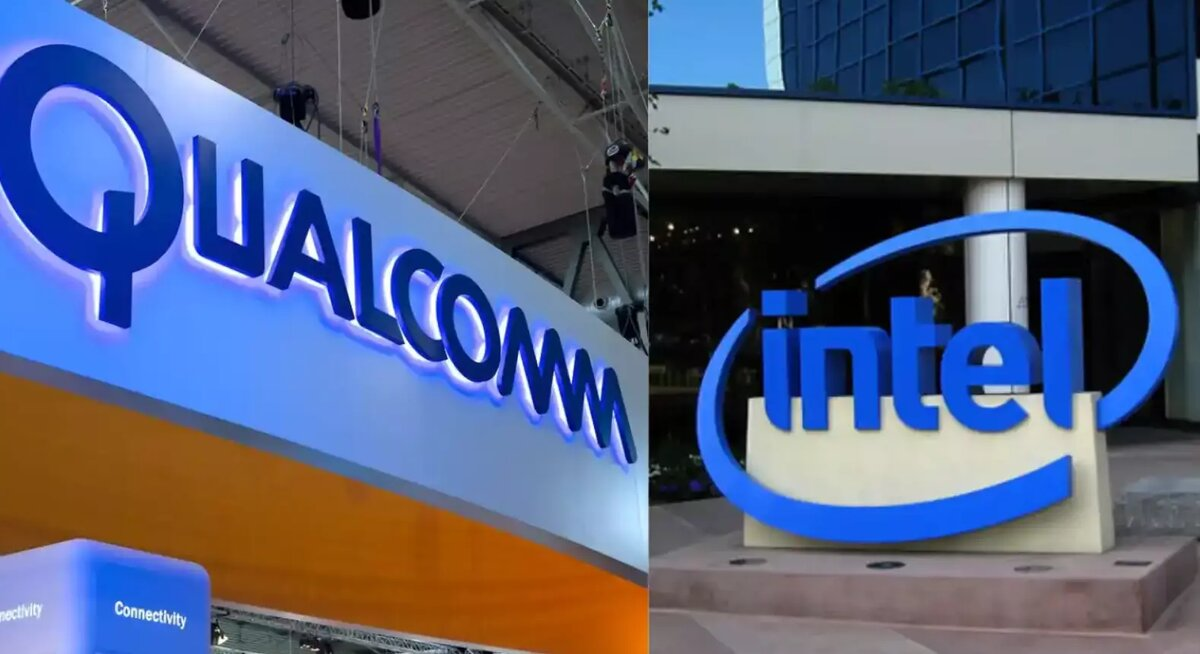
Qualcomm has recently approached Intel about the possibility of a takeover, according to a source familiar with the situation. The deal, still in its early stages, could mark a significant shift in the semiconductor industry but faces multiple challenges. Qualcomm CEO Cristiano Amon is said to be personally involved in discussions, which have yet to result in a formal offer.

Earlier reports suggested Qualcomm was particularly interested in Intel’s PC design unit but was also evaluating the broader portfolio of the five-decade-old company. Despite the ongoing talks, the complexity of such a deal—given Intel’s scale and position—could face regulatory scrutiny from antitrust authorities in the U.S., Europe, and China.

Intel, which has seen its stock drop by nearly 60% this year, is currently undergoing a restructuring under CEO Pat Gelsinger, who aims to focus on AI processors and the chip contract manufacturing business. Intel has been attempting to regain its competitive edge in the wake of losing market share to rivals like TSMC, Nvidia, and AMD.

If Qualcomm proceeds, the deal would likely be the largest in the tech sector since Broadcom’s attempt to acquire Qualcomm for $142 billion in 2018—a bid blocked by then-President Donald Trump due to national security concerns. Financing the acquisition remains unclear, though Qualcomm holds $13 billion in cash, and Intel’s current market value stands at $122 billion, including its debt. Qualcomm, which outsources its chip production to manufacturers like TSMC, has no history of operating a chip factory, raising questions about how it would manage Intel’s extensive manufacturing operations.

Intel declined to comment on the potential deal, and Qualcomm has not yet responded to requests for comments.


Couche-Tard’s Bid for 7-Eleven Seen as Strategic Move for ‘Cheap’ Stock, Amid Regulatory Concerns

Alimentation Couche-Tard’s recent bid to acquire 7-Eleven’s parent company, Seven & i Holdings, has sparked discussions within the financial world about the strategic motives behind the deal. According to industry analysts, the Canadian retail giant, which operates Circle K, views Seven & i as an undervalued stock, making it an attractive target for acquisition. Richard Kaye, a portfolio manager at Comgest, remarked that despite Seven & i’s robust core business, Couche-Tard likely sees an opportunity for a financially advantageous acquisition.

The acquisition, if successful, would be one of the largest foreign takeovers of a Japanese company. Although the offer amount remains undisclosed, U.S. investment firm Artisan Partners Asset Management has urged Seven & i to seriously consider the buyout offer. The move comes as the Japanese conglomerate is undergoing a restructuring process aimed at expanding 7-Eleven’s global reach and divesting from its underperforming supermarket divisions.

Despite Couche-Tard’s strong financial position, with a valuation of $54 billion compared to Seven & i’s $38.3 billion, the deal faces significant regulatory challenges. Particularly, antitrust scrutiny is anticipated in both the U.S. and Japan, given the size and scope of the companies involved. Retail analyst Bryan Gildenberg commented that regulatory approval may require divestments to address competition concerns, especially in the U.S. market.

Picture background

In Japan, Seven & i is reportedly seeking designation as a “core” company under the country’s Foreign Exchange and Foreign Trade Act, which could complicate the acquisition. This designation would subject the transaction to heightened scrutiny by Japan’s finance ministry, reflecting concerns about potential disruptions to 7-Eleven’s well-established convenience store model, known as “konbini” in Japan.

While Couche-Tard’s interest in Seven & i stems from the Japanese firm’s perceived undervaluation, the deal also highlights a broader trend of global companies seeking undervalued opportunities within Japan’s stock market. Kaye noted that despite the strong operational performance of companies like Seven & i, Fast Retailing, and Pan Pacific International Holdings, they trade at lower valuations than their global counterparts, making them attractive investments for firms like Couche-Tard.

However, the potential regulatory roadblocks and the preservation of Seven & i’s unique business model remain key challenges in completing the deal. If successful, the acquisition could reshape the global convenience store landscape and further expand Couche-Tard’s footprint beyond North America, into one of the world’s largest retail markets.