Yazılar

Nike says it is investigating possible data breach

Nike said it is investigating a potential data breach after a cybercrime group claimed to have leaked a large volume of data linked to the company’s business operations. The sportswear giant said consumer privacy and data security remain a priority as it assesses the situation and works to understand the scope of the incident.

The ransomware group World Leaks alleged it had published around 1.4 terabytes of Nike-related data. The claim could not be independently verified, and the company declined to comment on whether any ransom demand had been made or paid. It was also unclear whether the incident affected data connected to Nike’s wholesale partners.

The investigation comes at a sensitive time for Nike, which has been working to regain market share lost to smaller rivals. Data breaches have increasingly disrupted major corporations in recent years, often leading to heavy financial losses and operational damage.

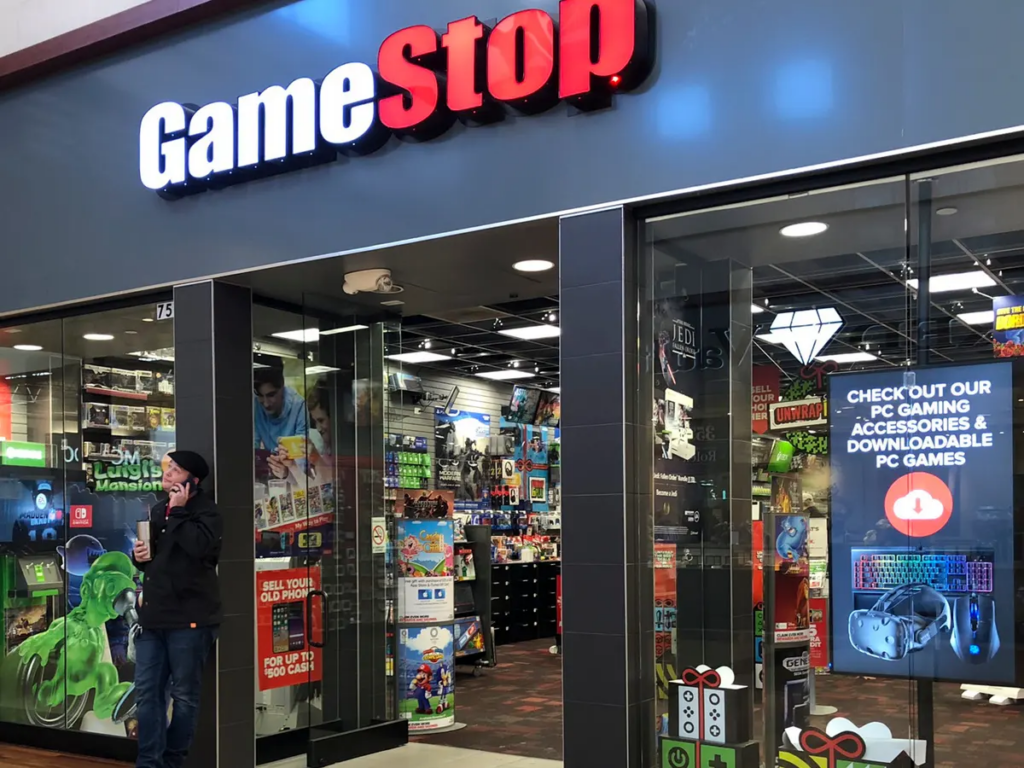
GameStop Doubles Down on Bitcoin as a Treasury Reserve Asset and Plans More Store Closures

GameStop (GME.N) announced on Tuesday that its board has approved the addition of bitcoin as a treasury reserve asset, a move that mirrors the strategy of corporate bitcoin giant MicroStrategy (MSTR.O). The decision highlights GameStop’s shift toward embracing cryptocurrency as a core component of its business operations.

GameStop’s Strategic Shift Toward Bitcoin

The move to add bitcoin to its treasury comes shortly after a similar rebranding by MicroStrategy, which removed “Micro” from its name in February to emphasize its focus on the cryptocurrency. MicroStrategy, known for being the largest corporate holder of bitcoin, has integrated the cryptocurrency into the heart of its operations.

GameStop has stated that it will use a portion of its cash, future debt, or equity issuances to invest in bitcoin, though it did not specify the maximum amount it plans to acquire. This strategic shift follows a broader push to diversify the company’s financial strategies in the face of continued challenges in its core retail business.

Performance and Challenges in Retail Business

Despite the addition of bitcoin to its reserves, GameStop continues to face difficulties in its primary business of retailing videogame hardware and merchandise. The company reported a significant rise in fourth-quarter profit, which more than doubled to $131.3 million from $63.1 million the previous year, largely due to cost-cutting efforts. GameStop also posted quarterly revenue of $1.28 billion, down from $1.79 billion in the same period last year.

The company, which became a focal point during the “meme stock” trading craze, has struggled with the shift toward digital downloads, game streaming, and e-commerce, contributing to a decline in physical retail sales.

Future Outlook and Store Closures

In response to these challenges, GameStop has aggressively reduced its retail footprint, closing 590 stores in the U.S. in fiscal 2024. The company expects to close a “significant number” of additional stores in fiscal 2025 as part of its ongoing efforts to streamline operations and adapt to the changing gaming landscape.

Broader Cryptocurrency Adoption and Strategic Moves

GameStop’s decision to invest in bitcoin aligns with broader trends of increasing institutional adoption of cryptocurrencies. This move follows U.S. President Donald Trump’s recent executive order to establish a strategic reserve of cryptocurrencies, further reflecting growing interest in digital assets.

Fast-Delivery Giants Zomato, Swiggy, Zepto Face Antitrust Case in India Over Discounting Practices

An antitrust case has been filed against fast-delivery companies Zomato, Swiggy, and Zepto by Indian consumer product distributors, urging the Competition Commission of India (CCI) to investigate alleged predatory discounting practices. The All India Consumer Products Distributors Federation (AICPDF) claims that the deep discounts offered by these quick-commerce platforms are creating unfair pricing models that harm smaller retailers.

The rise of quick commerce—where consumer products are delivered within 10 minutes from local warehouses—has gained popularity among customers but sparked concern among small businesses. The sector, expected to reach $35 billion by 2030, has drawn intense scrutiny, as previous investigations found that e-commerce giants like Amazon and Flipkart had engaged in predatory pricing, benefiting select sellers at the expense of smaller competitors.

The AICPDF, with 400,000 distributor members across India, argues that local brick-and-mortar stores cannot compete with the aggressive pricing strategies of Zomato’s Blinkit, Swiggy’s Instamart, and Zepto, platforms that offer discounts on everyday products such as milk and pulses. Their complaint highlights the negative impact these practices have on independent retailers, particularly smaller stores, which cannot afford to match the prices offered by these larger players.

According to the filing, a variant of Nestle’s Nescafé coffee jar, typically priced at 622 rupees ($7.14) for small retailers, is being sold for as low as 514 rupees on Zepto, 577 rupees on Swiggy Instamart, and 625 rupees on Blinkit, further underscoring the disparity between online and offline prices.

While Zomato, Swiggy, and Zepto have not responded to requests for comment, the filing could add pressure on these companies, which are already under investigation for competition law violations in their food delivery businesses. Zepto, which raised funds last year at a $5 billion valuation, is also preparing for an IPO.

The CCI will review the filing and determine if further investigation is warranted, which could take several months. If the case is found to have merit, it could require these companies to justify their discounting strategies. If dismissed, the case will be closed.