Yazılar

Iran Claims Attack on Israel Concluded as Fears of Wider Conflict Grow

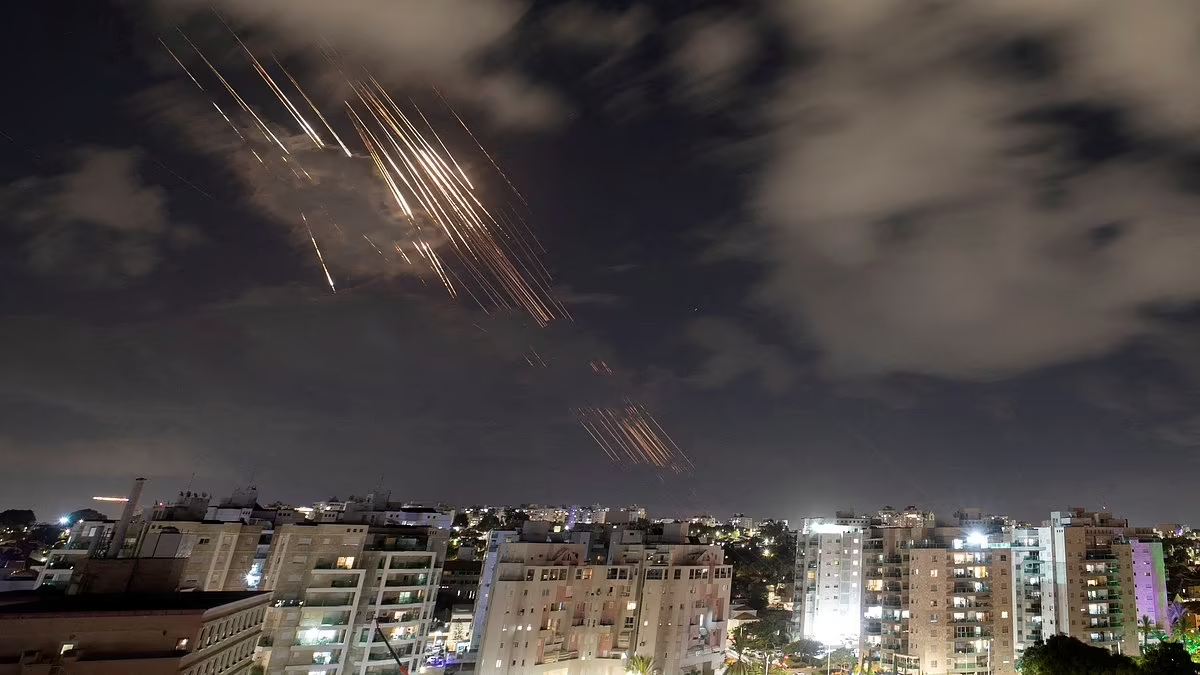
Iran has announced that its recent assault on Israel is over, following a series of missile strikes targeting Israeli military facilities. This attack, described by Iranian officials as a response to Israeli actions against Hezbollah and other militant leaders, reportedly involved more than 180 ballistic missiles aimed at three Israeli military bases. Iranian Foreign Minister Abbas Araqchi stated that any further Israeli provocations would lead to a stronger Iranian response.

The situation remains tense, as Israeli officials have vowed to retaliate significantly in the coming days, potentially targeting Iranian oil production facilities and other strategic sites. Prime Minister Benjamin Netanyahu warned that Iran would face consequences for what he termed a “big mistake.”

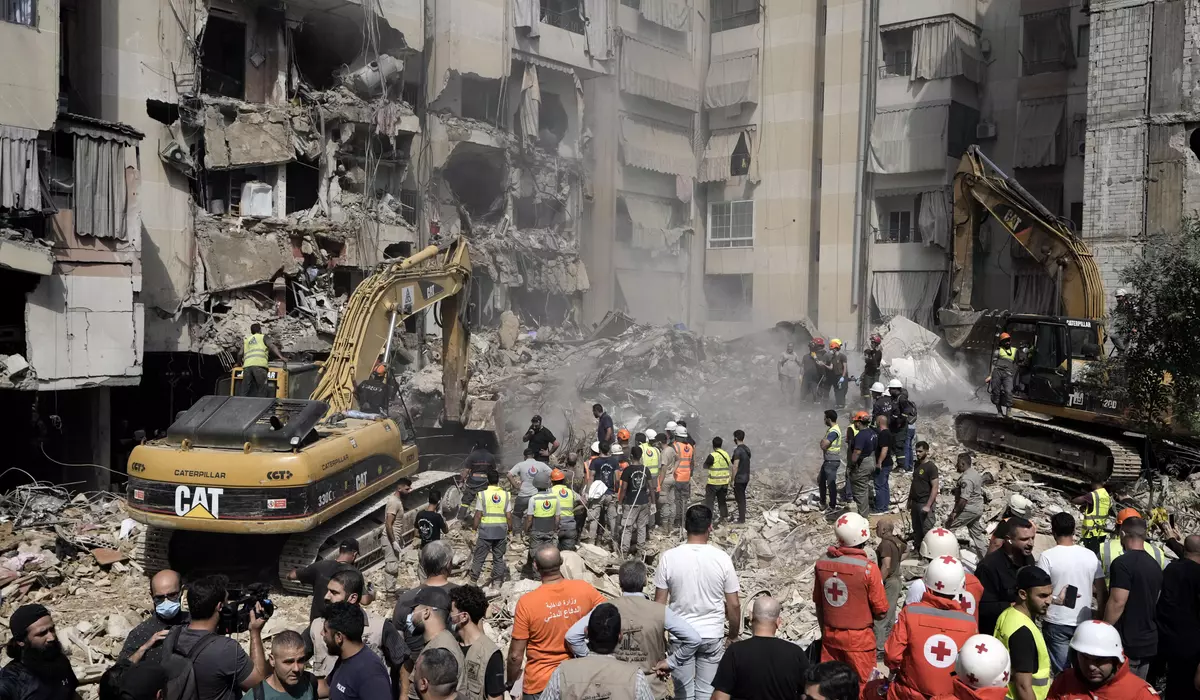
Despite calls for a ceasefire from the United Nations, the United States, and the European Union, clashes between Israel and Hezbollah continue. Israel has resumed airstrikes on Hezbollah strongholds in Beirut’s southern suburbs, conducting at least a dozen bombings while issuing evacuation orders for the area. Large plumes of smoke were visible as Israeli forces targeted locations believed to house Hezbollah assets. In retaliation, Hezbollah claimed to have confronted Israeli forces attempting to infiltrate the Lebanese town of Adaisseh.

The escalation of violence follows weeks of conflict, including Israel’s recent ground operations in Lebanon and ongoing hostilities in the Gaza Strip. U.S. Secretary of Defense Lloyd Austin confirmed that the U.S. was prepared to defend its interests in the region and that American naval forces had intercepted some of the missiles fired from Iran. The Pentagon noted that Iran’s missile assault was significantly larger than previous attacks, including an earlier strike in April.

Israeli military officials stated that most of the missiles launched by Iran were intercepted by Israeli air defenses and a coalition led by the United States. However, the use of hypersonic Fattah missiles by Iranian forces marked a dangerous escalation, with reports indicating that 90% of the missiles successfully hit their targets in Israel.

As fears mount that Iran and the U.S. could become embroiled in a broader regional conflict, President Joe Biden reaffirmed U.S. support for Israel, labeling the Iranian attack as “ineffective.” Vice President Kamala Harris echoed this sentiment, stating that the U.S. would not hesitate to act against Iran if necessary. Israel’s U.N. Ambassador, Danny Danon, promised a painful response to Iran’s actions.

In response to the ongoing situation, French President Emmanuel Macron condemned Iran’s attacks and announced the mobilization of French military resources in the Middle East. The United Nations Security Council convened to discuss the escalating conflict, while the European Union urged an immediate ceasefire. In South Korea, President Yoon Suk Yeol convened national security advisors to address potential impacts on energy supply due to the conflict.

The humanitarian toll has been severe, with nearly 1,900 casualties and over 9,000 injuries reported in Lebanon in the past year of conflict, most of which have occurred in the last two weeks.
 

Weakened and Infiltrated, Hezbollah Vows ‘Battle Without Limits’ Against Israel

A recent Israeli airstrike targeted a Hezbollah meeting in Beirut, killing 45 people, including women and children, along with 16 Hezbollah militants, including senior commanders. The attack marked one of the most significant blows to Hezbollah’s military structure in its over 40-year history, revealing a severe breach in its communication systems. Israeli infiltration of Hezbollah’s ranks enabled a series of devastating attacks, leaving the group weakened and sowing panic within its leadership.

Lebanese officials responded by increasing security measures, emphasizing the impact of Israeli infiltration. Hezbollah, known for its secrecy and military strength, now finds itself vulnerable as it faces a new phase in its long-standing conflict with Israel. The group initially engaged in limited confrontations with Israel to support Hamas but now finds itself in a much deeper conflict, with heavy losses and growing pressure to retaliate.

In a statement following the Israeli airstrike, Hezbollah’s deputy leader, Naim Qassem, declared an escalation, calling it “a battle without limits.” The group retaliated by launching one of its most forceful attacks in years, targeting an Israeli airbase and military industry site. While Israel has not confirmed all the strikes, the event signals a significant shift in the dynamics of the ongoing conflict. Hezbollah’s use of new medium-range missiles, the Fadi-1 and Fadi-2, indicates the group’s attempt to restore its deterrent power against Israel.

Despite the losses, Hezbollah’s leadership and supporters remain defiant. At a funeral for three fighters killed in the recent strike, mourners emphasized their continued loyalty to Hezbollah leader Hassan Nasrallah and the group’s cause, even in the face of severe setbacks. As both sides brace for further escalation, the unwritten rules of engagement between Hezbollah and Israel are being tested in unprecedented ways.

Mossad Operation Plants Explosives in Hezbollah Pagers, Sources Say

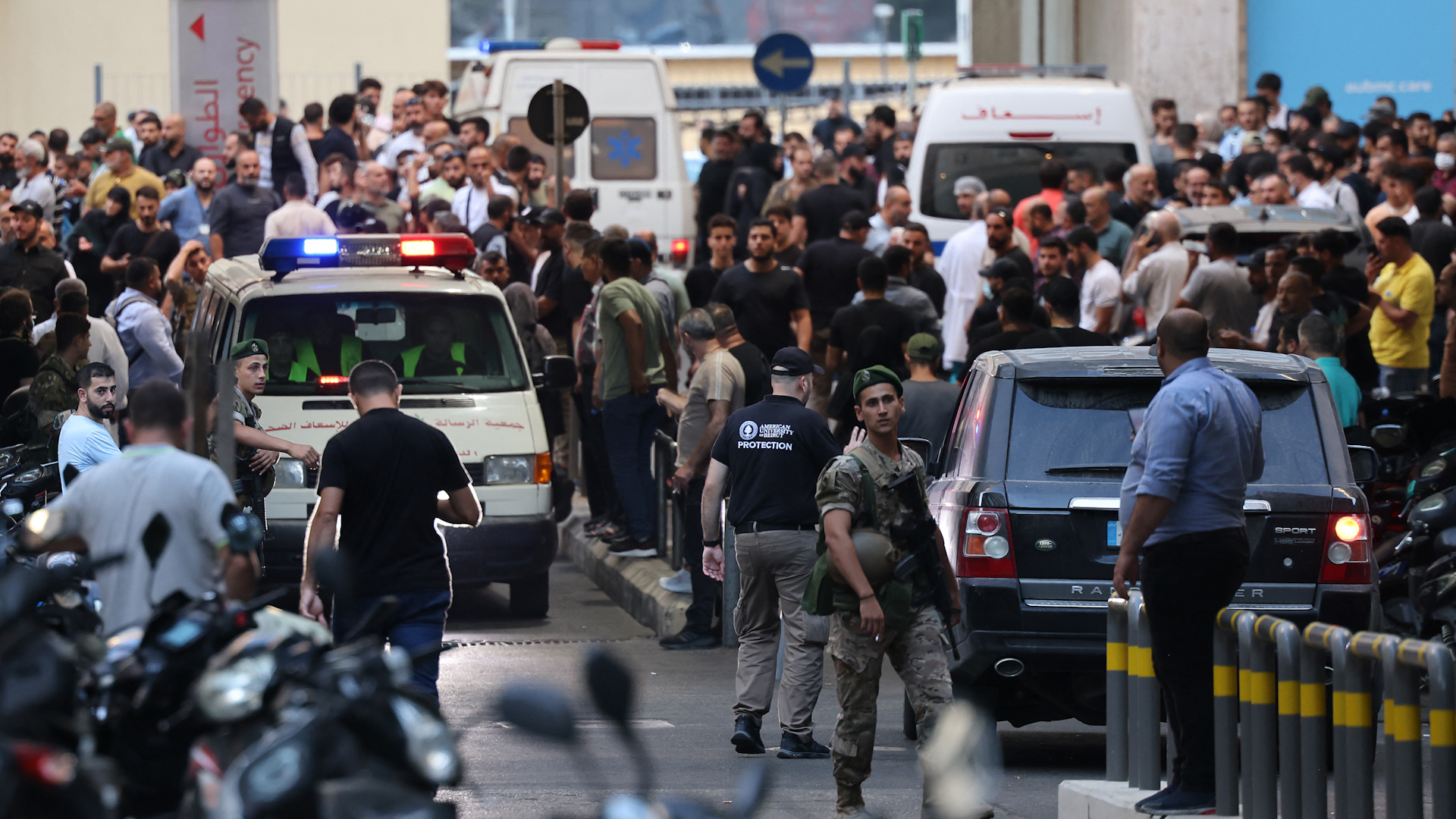
Israel’s Mossad spy agency reportedly infiltrated Hezbollah’s communication systems by planting explosives in 5,000 pagers ordered by the Lebanese group. According to a senior Lebanese security source and another individual, the operation, which had been in place for months, culminated in detonations on Tuesday, resulting in nine deaths and nearly 3,000 injuries, including Hezbollah members and Iran’s envoy to Beirut.

The pagers, which were sourced from Taiwan-based company Gold Apollo, were manufactured by BAC under a brand license, according to company officials. While the devices were supposedly designed for secure communication, Israeli intelligence allegedly modified them during production to include explosive material triggered by a coded message, making detection difficult for Hezbollah.

The attack represents a significant security breach for Hezbollah, which has historically used pagers as a low-tech communication method to evade Israeli tracking. Mossad’s infiltration into this system marks one of Hezbollah’s largest counterintelligence failures, leaving the group reeling. This comes amid increasing tensions between Israel and Hezbollah following the outbreak of the Gaza conflict.

Hezbollah, which vowed retaliation, has been engaged in cross-border warfare with Israel, escalating fears of a broader regional conflict involving Iran and the United States. Despite this, experts see the pager blasts as a sign of Israel’s intelligence capabilities rather than an indication of an imminent ground offensive. However, the attack showcases Israel’s deep penetration into Hezbollah’s operations, further straining the already precarious situation along the northern border.