Yazılar

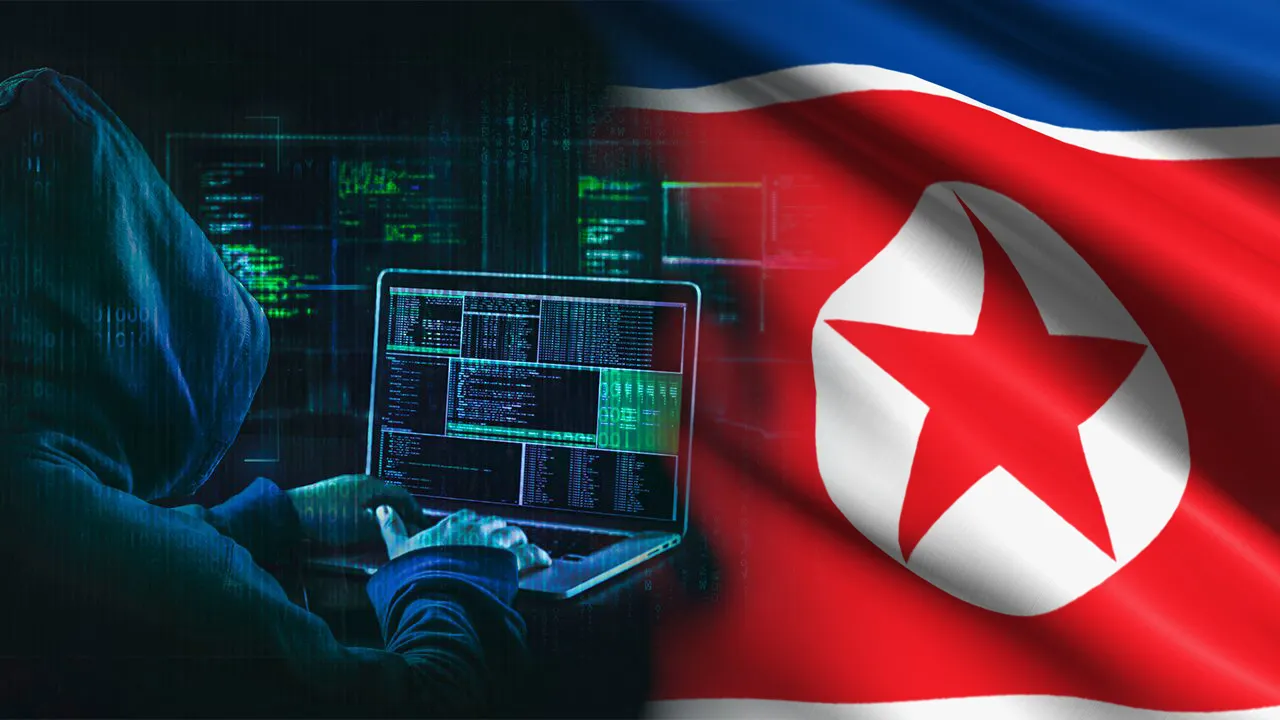
North Korean Hackers Using Fake Job Offers to Steal Cryptocurrency, Research Shows

North Korean hackers are increasingly impersonating recruiters to steal cryptocurrency, saturating the industry with convincing fake job offers, according to new research and interviews conducted by Reuters. The cyber campaign, dubbed “Contagious Interview” by cybersecurity firms, has grown so pervasive that many applicants now screen recruiters to ensure they are not acting on behalf of Pyongyang.

Experts say North Korea stole at least $1.34 billion in cryptocurrency last year, funding its sanctioned weapons program. The FBI has previously warned that Pyongyang was “aggressively” targeting the crypto industry with elaborate social engineering schemes.

The scams typically begin on LinkedIn or Telegram, with a recruiter offering a role at a major blockchain or crypto firm. Applicants are then directed to obscure websites to complete a skills test or record a video—sometimes requiring them to download malicious code. In one case, a U.S. product manager lost $1,000 in ether and Solana after sending a video to a fake recruiter impersonating Ripple Labs. Others, like consultant Ben Humbert, cut off conversations after being asked to complete “virtual interviews” through suspicious links.

Companies such as Robinhood and Kraken have acknowledged being impersonated. Robinhood said it acted to disable fake web domains linked to the scam. LinkedIn and Telegram confirmed that the fraudulent accounts identified by Reuters had been removed. Still, security experts say the impersonations are difficult to police, as “anybody out there can say they’re a recruiter,” noted Nick Percoco, Kraken’s chief security officer.

Research by SentinelOne and Validin found exposed hacker log files containing details of more than 230 targeted individuals—ranging from coders and consultants to executives—between January and March. Analysts linked the activity to North Korea based on IP addresses and emails tied to previous state-backed hacks.

Although only a fraction of North Korea’s overall crypto theft efforts, experts warn the campaign is highly organized and rapidly evolving. “It’s scary how far they’ve come,” said Carlos Yanez of Global Ledger, one of the recent targets.

North Korea’s mission to the United Nations did not respond to Reuters’ request for comment, though Pyongyang routinely denies involvement in cryptocurrency theft.

Coinbase Seeks SEC Approval to Offer Tokenized Stocks on Blockchain

Coinbase is pursuing approval from the U.S. Securities and Exchange Commission (SEC) to offer tokenized equities—digitally represented stocks traded on blockchain technology—to its customers, according to Paul Grewal, Coinbase’s chief legal officer.

If approved, Coinbase would enter direct competition with retail brokers like Robinhood and Charles Schwab by allowing users to trade stocks in token form. This new service could open a significant business segment for the crypto exchange.

What Are Tokenized Equities?

Tokenized equities convert traditional shares into digital tokens, enabling investors to hold and trade ownership rights on a blockchain network. Advocates argue that tokenization can:

  • Reduce trading costs

  • Enable faster settlement of trades

  • Allow 24/7 trading outside conventional market hours

Challenges and Regulatory Context

Despite enthusiasm, the concept faces hurdles, including limited secondary-market liquidity and the absence of global regulatory standards, as highlighted by a recent World Economic Forum report.

Currently, U.S. law requires securities trading platforms to be registered as broker-dealers. Coinbase previously faced an SEC lawsuit for allegedly operating as an unregistered broker-dealer, but the case was dropped this year under the Biden administration.

To move forward, Coinbase needs a “no-action letter” or exemptive relief from the SEC—an assurance that the SEC would not take enforcement action if Coinbase offers tokenized stock trading.

Grewal emphasized that such regulatory clarity is vital for boosting institutional adoption of crypto and blockchain technologies.

Market Context

  • Coinbase’s competitor Kraken recently launched tokenized U.S. equity tokens, called xStocks, but only outside the U.S.

  • The SEC under President Trump has adopted a more industry-friendly approach, dropping several lawsuits against crypto firms and creating a task force for digital asset regulation.

No official submission date or launch timeline for Coinbase’s tokenized equities service has been disclosed.

Kraken Launches Tokenized U.S. Equities for 24/7 Trading Outside U.S.

Kraken, the crypto exchange, announced Thursday it is launching tokenized versions of U.S. stocks, including Apple, Tesla, and Nvidia, allowing investors outside the U.S. to trade equities 24/7 — a step toward bridging traditional finance and blockchain.

The product, called xStocks, provides digital tokens that represent ownership of publicly traded U.S. equities. Investors won’t directly hold the underlying shares, but rather tokens that mirror the stocks’ value, offering flexibility and round-the-clock access typically unavailable in traditional stock markets.

Key Details:

  • Availability: Limited to select markets outside the U.S.

  • Trading hours: Available 24/7

  • Not offered to: U.S. customers

  • Underlying equities: Includes high-profile companies such as Apple, Tesla, and Nvidia

Kraken did not disclose which countries or jurisdictions will have access to xStocks, but the move reflects the growing interest in tokenizing real-world assets.

Why It Matters

Tokenization — issuing blockchain-based digital versions of real assets — is increasingly being seen as a tool to:

  • Expand market access globally

  • Enable fractional ownership and enhanced liquidity

  • Offer trading during non-market hours, especially useful for international investors

“Tokenized securities could radically reshape how retail and global investors access financial markets,” proponents argue.

Earlier this year, Robinhood CEO Vlad Tenev endorsed tokenization in a Washington Post op-ed, suggesting it could also open access to private markets.

Broader Context

The launch comes as enthusiasm for blockchain intensifies, partly fueled by:

  • Bitcoin’s strong performance

  • Expectations of lighter regulation under U.S. President Donald Trump

  • Growing demand to integrate traditional assets into decentralized finance (DeFi) systems

While tokenized securities are still in their early adoption phase, Kraken’s initiative places it at the forefront of hybrid finance innovation, offering a glimpse into the future of global capital markets.