
Yazılar

EU confirms ransomware attack caused major airport disruptions

The EU’s cybersecurity agency ENISA confirmed on Monday that a ransomware attack was behind the widespread disruptions to automated check-in systems at several of Europe’s largest airports, including London Heathrow, Brussels, and Berlin. The incident, which began on Friday, has delayed or cancelled dozens of flights and impacted thousands of passengers.

What happened

  • The attack targeted Collins Aerospace’s MUSE software, a key system used for passenger check-in and boarding. Collins Aerospace is owned by RTX.

  • ENISA said law enforcement is investigating but did not disclose the origin of the ransomware or who may be behind it.

  • Ransomware attacks work by encrypting critical data and demanding payment for access restoration.

Impact on airports

  • Heathrow: Airlines implemented contingency plans, with most flights still operating.

  • Brussels Airport: Still facing major disruptions, using iPads and laptops to check in passengers. On Monday, about 60 flights were cancelled, and less than half of flights departed on time.

  • Berlin Airport: With extra passenger traffic from the Berlin Marathon, delays exceeded an hour, and check-in remained manual, with handwritten boarding passes.

  • Dublin Airport: Reported only minimal impact.

Broader context

  • The attack is part of a surge in high-profile ransomware cases, targeting critical infrastructure and major corporations.

  • Recent victims include Jaguar Land Rover, which was forced to halt production earlier this month.

  • A German industry survey found 1 in 7 companies have paid ransoms to recover from attacks.

  • Experts note that while such high-impact disruptions are highly visible, they remain relatively rare compared to the overall number of cyber incidents.

Expert perspective

Rafe Pilling of Sophos noted that attackers are increasingly focusing on high-visibility victims for maximum leverage:

“Disruptive attacks are becoming more visible in Europe, but visibility doesn’t necessarily equal frequency. Truly large-scale, disruptive attacks that spill into the physical world remain the exception rather than the rule.”

Collins Aerospace said it is in the final stages of deploying updates to restore full functionality across affected airports.
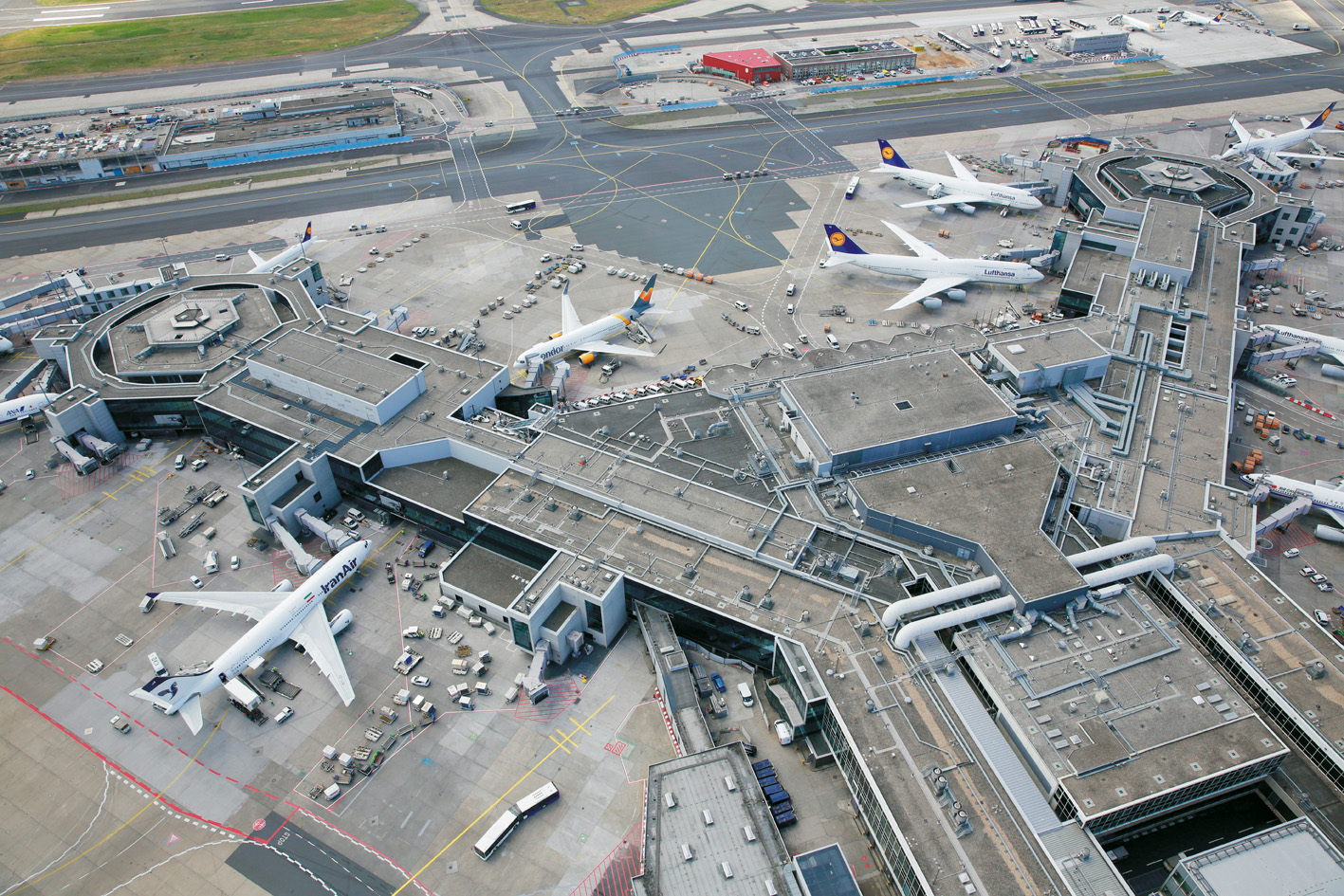
European airports face continued disruption after cyberattack on check-in systems

Some of Europe’s busiest airports — including London’s Heathrow, Berlin Brandenburg, and Brussels Airport — are still grappling with flight delays and cancellations after hackers targeted check-in and boarding software provider Collins Aerospace, owned by RTX.

The attack, which began on Friday, disabled Collins’ MUSE software, forcing airports to fall back on manual check-in operations. While Heathrow and Berlin reported easing disruption by Sunday, Brussels Airport said delays and cancellations would continue into Monday.

Brussels Airport asked airlines to cancel half of Monday’s flights to avoid severe queues and last-minute disruptions. On Sunday, 50 of 257 scheduled departures were canceled, following 25 cancellations the previous day.

Collins said it was in the “final stages” of restoring systems with a secure updated version of its software. However, Brussels Airport noted it had not yet received this update.

Passengers without online check-in or carry-on-only travel faced the worst queues. One traveler in Brussels described the experience:

“For me, it was business as usual. For those poor souls who didn’t do online check-in or have bags to check, they may be waiting a bit.”

Cirium data showed disruption levels varied: Heathrow had “low” delays, Berlin “moderate,” and Brussels “significant.”

The cyberattack is part of a wider wave of hacks disrupting European industries. Recent incidents included Jaguar Land Rover’s halted production and Marks & Spencer’s financial losses running into hundreds of millions of pounds. Regulators have launched investigations into the source of the latest breach.

Cyberattack cripples European airports, disruptions to last into Sunday

A cyberattack on check-in and boarding systems provider Collins Aerospace caused major disruptions on Saturday across several European airports, including London’s Heathrow, Brussels, Berlin, and Dublin, with impacts expected to stretch into Sunday.

The incident targeted Collins’ MUSE software, which supports airlines worldwide. Parent company RTX confirmed a “cyber-related disruption” but gave no details on the attackers. Airports reported flight delays, cancellations, and diversions, while manual check-in procedures were deployed to keep passengers moving.

  • At Heathrow, Brussels, and Berlin, 29 flights were cancelled by mid-day out of nearly 1,100 scheduled departures.

  • Brussels Airport ordered airlines to cancel half of Sunday’s flights to avoid chaotic queues and last-minute cancellations.

  • Berlin and Dublin airports reported long wait times, while Frankfurt remained unaffected.

The European Commission said there was no indication of a “widespread or severe attack,” though investigations are ongoing. Experts warned the case underscores the fragility of aviation’s digital ecosystem, vulnerable to ransomware or sabotage.

Passengers expressed frustration over poor communication:

  • “We haven’t been told anything except that there was a technical fault,” one traveller in Berlin said.

  • Another called it “inexplicable” that systems remain so easily disrupted.

Airlines responded unevenly: easyJet said operations were normal, Delta and United reported only minor delays, while Ryanair and British Airways did not immediately comment.

Authorities in Britain and Germany said cyber defence teams are working with airports to manage the fallout. The disruption adds to a year marked by high-profile hacks, including breaches at Jaguar Land Rover and UK retailers, fueling concern about escalating digital threats across industries.