Kharkiv Missile Strike Injures Dozens Amid Escalating Ukraine-Russia Tensions; Kyiv Calls for Long-Range Weapons
/in Business/tarafından ayaksızIn a continuation of the escalating conflict between Ukraine and Russia, at least 47 people, including five children, were injured on Sunday when Russian missiles struck a shopping mall and events complex in the northeastern Ukrainian city of Kharkiv. This attack came after Russia claimed it had been targeted by one of Ukraine’s largest drone assaults to date, which hit power plants and an oil refinery. The intensification of violence has raised alarm across both nations as the war enters a critical phase.
Ukrainian President Volodymyr Zelenskiy responded to the Kharkiv missile strike by calling on Western allies to provide Kyiv with long-range missiles capable of reaching deeper into Russian territory. He argued that such capabilities are necessary to neutralize Russia’s military threat, particularly as Moscow ramps up its attacks on Ukrainian cities and infrastructure. In a post on Telegram, Zelenskiy urged global leaders to act decisively and supply Ukraine with the weapons needed to defend itself.
The missile strike on Kharkiv comes at a time when Russia is making gains in eastern Ukraine, particularly towards the key military hub of Pokrovsk. Russian forces continue to press their offensive in the region while attempting to push back Ukrainian forces that had recently launched a surprise incursion into Russia’s western border. Despite these efforts, Ukraine’s advance does not appear to have significantly shifted the balance of power in the region.

As the war drags on, both sides have increasingly targeted each other’s energy infrastructure. Ukraine, bolstered by its expanding domestic drone industry, has increased its assaults on Russian energy, military, and transport facilities. Russia, meanwhile, has conducted its heaviest airstrikes of the war in recent days, striking numerous Ukrainian energy targets and claiming these are legitimate military objectives. Thousands of civilians have been killed since the conflict began in February 2022, with Russia continuing to deny deliberately targeting non-combatants.
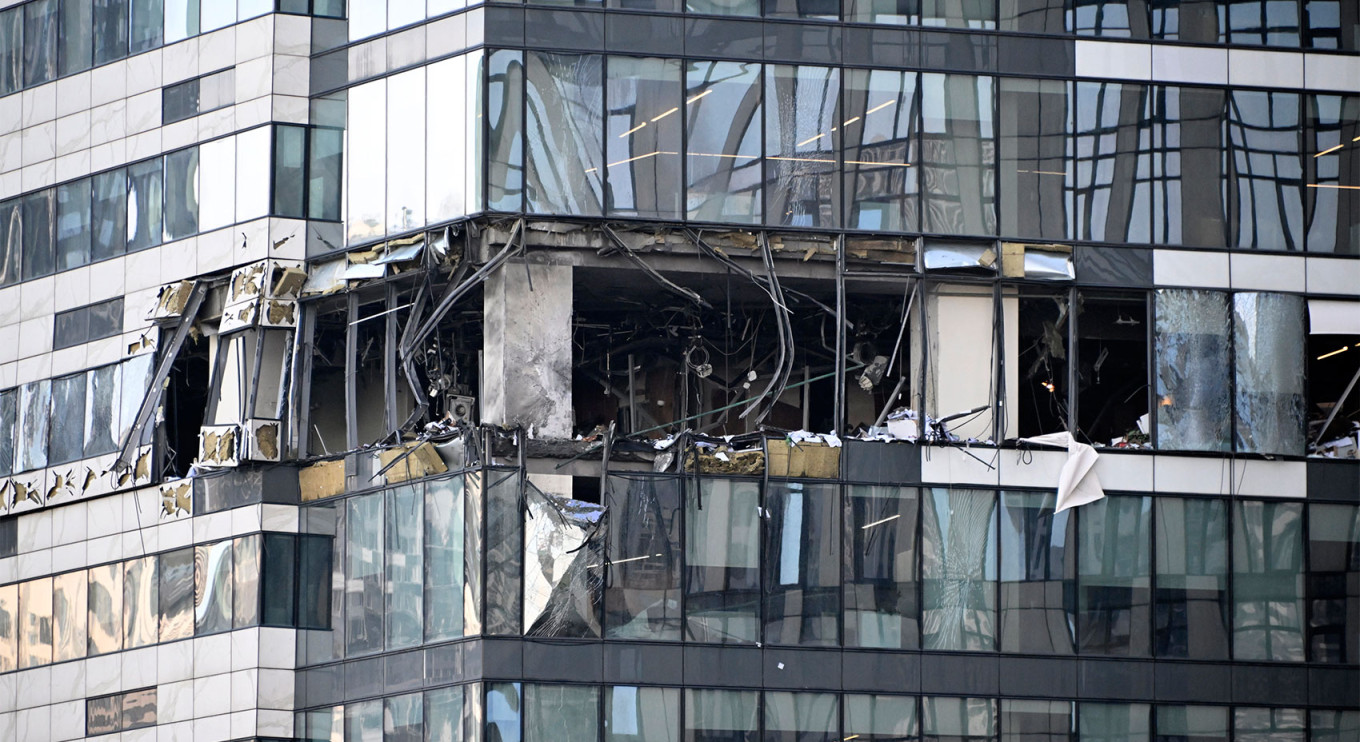
Russia reported that it had shot down 158 drones launched by Ukraine, with some causing fires at the Moscow Oil Refinery and the Konakovo Power Station. While Kyiv has yet to comment on the drone attacks, the damage underscores the growing potency of Ukraine’s aerial capabilities.
In a troubling development, Moscow has hinted at potential revisions to its nuclear doctrine. Russian Deputy Foreign Minister Sergei Ryabkov suggested that changes were underway in response to the West’s involvement in the conflict. Although specifics were not provided, the possibility of lowering the threshold for nuclear use has been floated by some hardliners within Russia’s military establishment. Current Russian doctrine allows for nuclear retaliation in the event of a nuclear or conventional attack that threatens the state’s existence.
The situation in eastern Ukraine remains dire, with Russian forces capturing two more settlements in the Donetsk region and continuing their advance toward Pokrovsk. Despite hopes that Ukraine’s incursion into Russia’s Kursk region might force Moscow to divert troops and ease pressure on the eastern front, Russian forces appear to have maintained their momentum. Ukrainian officials described the situation as “difficult,” with the country’s army chief acknowledging the intense pressure being placed on Ukrainian defenses.
Meanwhile, Ukraine continued to strike back, shelling Russia’s southern Belgorod region, injuring 11 people, including two children. As the conflict grinds on, both sides seem poised for further escalation, with civilian populations increasingly caught in the crossfire.