Yazılar

Apple Shares Rise After Positive Sales Outlook Signals iPhone Recovery

Apple’s executives projected relatively strong sales growth, indicating the company’s recovery from a dip in iPhone sales as it begins to roll out artificial intelligence (AI) features. After a slight decline in iPhone revenue during the holiday shopping quarter, which fell short of Wall Street estimates, Apple has made progress in its AI efforts, and investors are optimistic about the future. Tim Cook, Apple’s CEO, stated that these AI features will be available to more users in Europe this spring, leading to a 3.14% increase in shares during after-market trading.

Apple has adopted a more measured approach to AI compared to rivals like Microsoft, focusing on integrating AI features into its hardware rather than investing heavily in massive data centers. This strategy paid off when DeepSeek, a Chinese AI startup, introduced free AI technology that triggered fears of price wars, ultimately benefiting Apple as it helped boost its stock price.

While AI adoption has been slow, Apple saw stronger-than-expected sales in other product categories. The fiscal first quarter of 2024 showed a boost in sales for iPads and Macs, where new chips encouraged customers to upgrade. Apple’s fiscal second-quarter outlook remains positive, with expected sales growth in the low-to-mid single-digit range.

In the most recent quarter, iPhone sales slightly dropped to $69.14 billion, missing analysts’ expectations of $71.03 billion. Sales in Greater China also decreased, bringing in $18.51 billion, below the expected $21.33 billion. However, Apple’s total sales of $124.30 billion exceeded Wall Street’s expectations of $124.12 billion, with earnings per share of $2.40 surpassing the consensus target of $2.35.

Apple has positioned AI as a set of new features, such as drafting emails and transcribing phone calls, but is gradually rolling them out. Tim Cook stated that markets where Apple Intelligence has been launched have seen stronger iPhone 16 family sales compared to those without it. While the AI features are expected to roll out in French and German in April, there is no timeline for availability in China due to regulatory concerns.

Mac sales benefitted from new models, including Mac Minis, iMacs, and MacBook Pros with the new M4 chip. The availability of Apple Intelligence on Macs and iPads, which have more powerful chips, has been a driving factor for upgrades. Apple’s services business, including iCloud, streaming, and other services, saw a 13.9% year-over-year increase, reaching $26.34 billion.

Despite criticism over the slow rollout of AI features, Apple’s services growth and ecosystem expansion are helping offset iPhone struggles, particularly in China. The wearables segment, including the Apple Watch and AirPods, posted $11.75 billion in sales, slightly below analysts’ expectations of $12.01 billion.
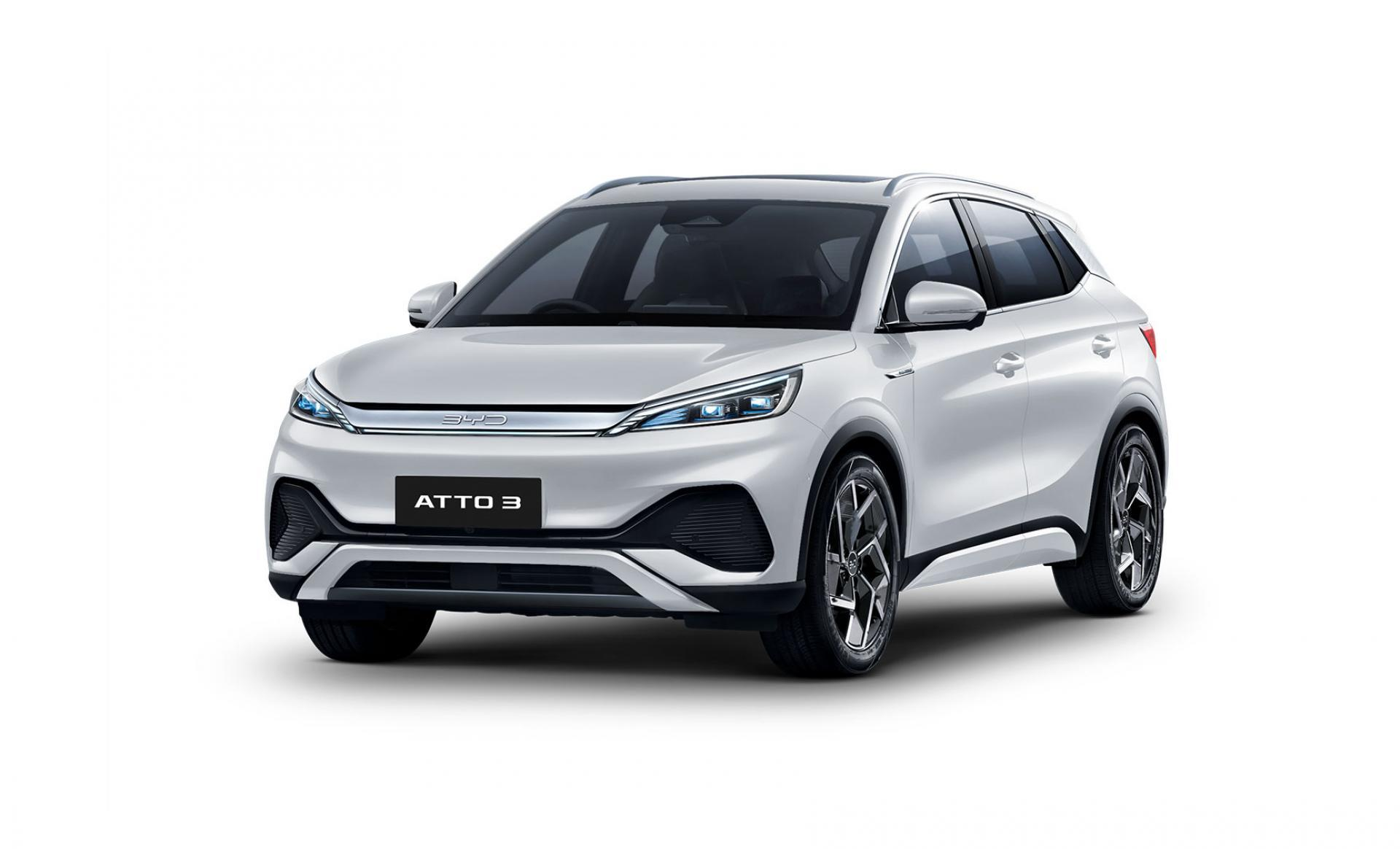
 

BYD Set to Surpass 2024 Sales Goals, Overtake Ford and Honda

China’s leading electric vehicle (EV) maker, BYD, is poised to exceed its 2024 global sales target of 4 million vehicles, positioning it to surpass Ford and Honda in the process. The company’s growth has been bolstered by its significant market share gains in China, as well as strong sales driven by its competitive lineup of plug-in hybrid models. In the first 11 months of 2024, BYD delivered 3.76 million vehicles, including 506,804 units in November alone. This robust performance comes as China’s car sales grew at their fastest pace in 2024, supported by government-subsidized auto trade-ins.


Expansion and Market Share Gains

BYD’s impressive growth trajectory is largely fueled by an expansion in production capacity and an aggressive hiring strategy. The company added nearly 200,000 units in production capacity between August and October and hired 200,000 new employees. Its workforce now totals nearly 1 million, a sharp increase from 703,500 at the end of 2023. BYD’s market share in China stood at 17.1% as of November, a significant jump from 12.5% in 2023, according to the China Passenger Car Association.


Competitive Edge in the Price War

The company’s success is also attributed to its ability to thrive in a price war that has challenged foreign automakers. BYD has managed to maintain competitive pricing by requesting price cuts from suppliers and benefiting from its extensive scale. This strategic move has helped BYD reduce costs, outperform its rivals, and capitalize on the growing demand for electric vehicles in China.


Outpacing Rivals

BYD’s rapid growth in 2024 has allowed it to outpace traditional automakers like Ford and Honda. If current sales momentum continues, the company is on track to sell over 6 million units in the next 12 months, putting it in the same league as industry giants such as General Motors and Stellantis. The Chinese EV maker is targeting sales of 5 to 6 million vehicles in 2025, according to Citi analysts.

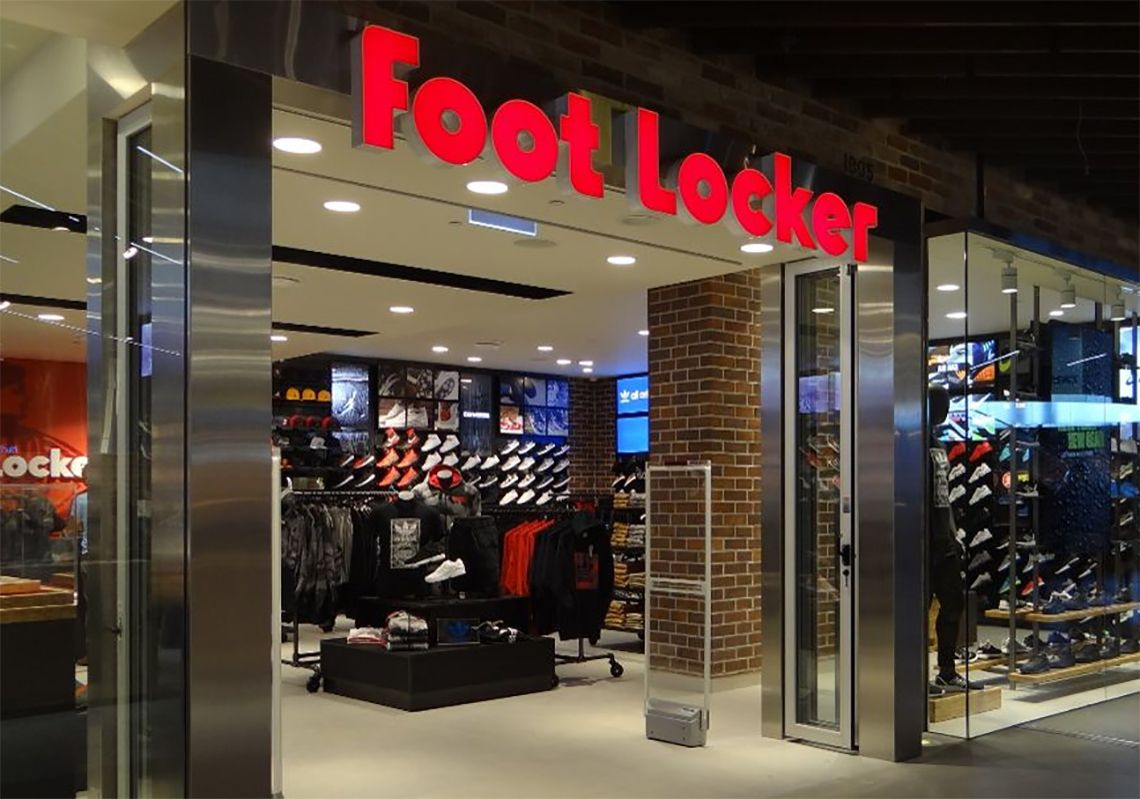
Foot Locker Reports First Sales Growth in Six Quarters Amid Store Revamps

Foot Locker has reported a 2.6% increase in comparable sales for the fiscal second quarter, marking its first growth in six quarters. This rise exceeded analysts’ expectations and indicates that the company’s efforts to revitalize its stores and enhance customer experience are paying off. Despite this positive news, Foot Locker’s stock fell approximately 8% in premarket trading.

CEO Mary Dillon highlighted the success of the “Lace Up Plan,” Foot Locker’s turnaround strategy, noting improved top-line trends and a solid start to the Back-to-School season. The company also saw its gross margin expand for the first time in over two years.

Foot Locker’s fiscal performance included a loss of $12 million, or 13 cents per share, compared to a loss of $5 million, or 5 cents per share, in the same period last year. Adjusted for one-time items, the loss was 5 cents per share, better than the expected 7 cents. Revenue reached $1.90 billion, surpassing the anticipated $1.89 billion.

For the remainder of the fiscal year, Foot Locker has maintained its sales guidance, expecting a range of 1% decline to 1% growth, outperforming the anticipated 0.4% decline. The company also retained its adjusted earnings per share forecast, projecting earnings between $1.50 and $1.70, ahead of the expected $1.54.

Under Dillon’s leadership, Foot Locker is focusing on transforming its store network, with plans to invest $275 million this year to remodel two-thirds of its stores by the end of fiscal 2025. The company is also closing or transferring operations of 30 stores in the Asia-Pacific region and 629 in Europe, while expanding its reach in Greece and Romania.

Foot Locker’s Champs Sports banner is showing signs of recovery, with comparable sales down 3.9%, a significant improvement from the 25.3% decline seen last year. The company is also relocating its global headquarters from New York City to St. Petersburg, Florida, by late 2025, aiming to enhance collaboration and reduce costs.

Despite broader retail industry challenges and consistent inflation, Foot Locker’s strategies are driving sales growth and customer engagement. Dillon remains confident in the company’s approach to ensure long-term profitable growth and shareholder value.