Yazılar

Sam Altman’s World Network in Talks with Visa for Stablecoin Wallet

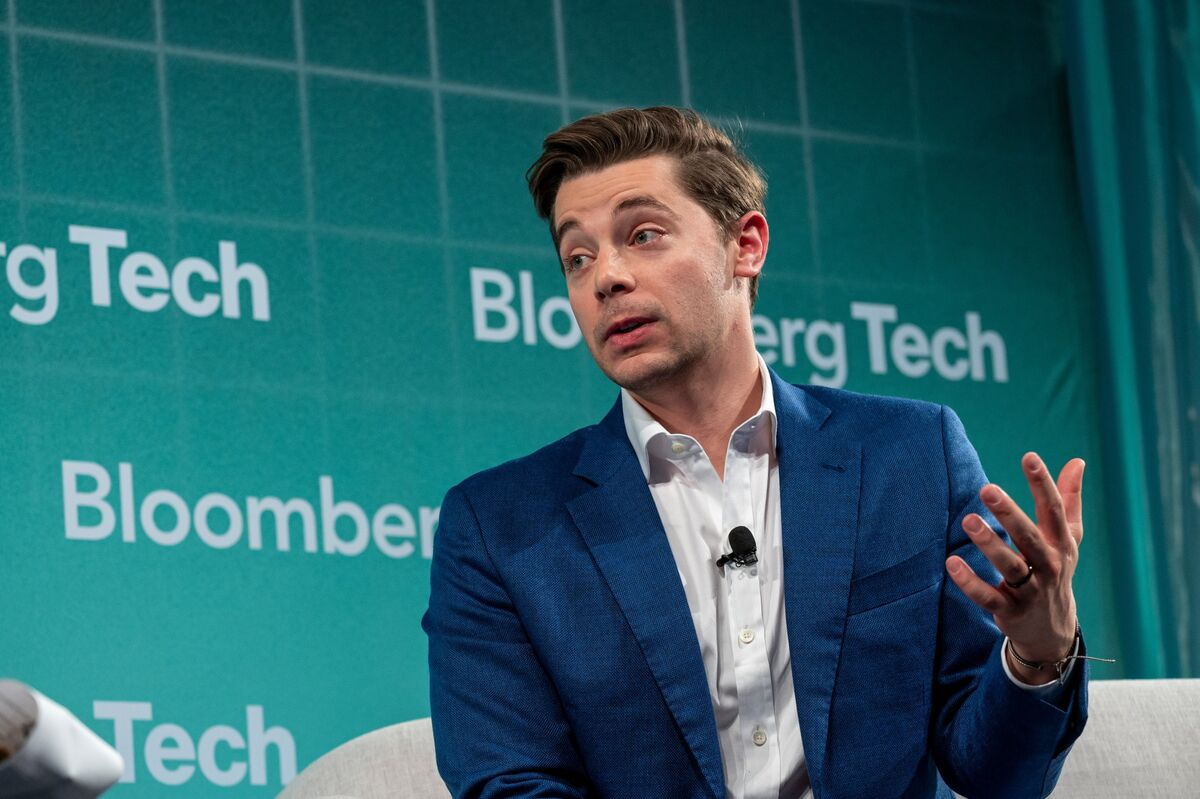
Sam Altman’s cryptocurrency project, World Network, is reportedly in discussions with Visa to develop a stablecoin payments wallet. According to CoinDesk, a deal would integrate Visa card functionality into World Network wallets, allowing stablecoin-based payments at merchants within Visa’s network.

This collaboration highlights the growing efforts to incorporate cryptocurrency into the mainstream payments system, with both companies aiming to expand the use of digital assets in everyday transactions. Visa and Tools for Humanity, the company behind World Network, have yet to respond to requests for comment.

World Network, co-founded by OpenAI’s Sam Altman, primarily offers World ID, a digital passport designed to verify a user’s identity as a real human, distinguishing them from AI chatbots.

Judge Rejects Musk’s Bid to Halt OpenAI’s For-Profit Shift, Fast-Tracks Trial

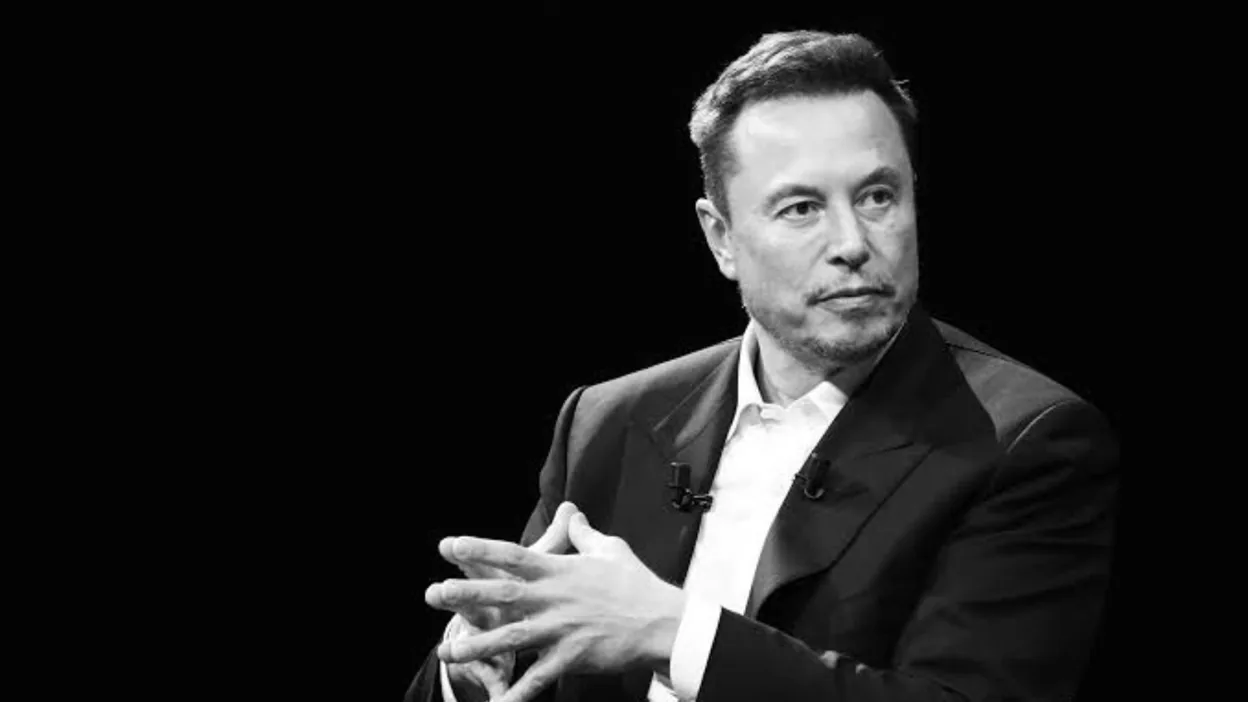
A U.S. judge has denied Elon Musk’s request for a preliminary injunction to pause OpenAI’s transition to a for-profit model. However, U.S. District Judge Yvonne Gonzalez Rogers in Oakland, California, fast-tracked the case, scheduling a trial for the fall of this year. Musk, the co-founder of OpenAI, has been in a year-long legal dispute with the organization, accusing it of abandoning its original mission to develop artificial intelligence for the public good.

The judge determined that Musk did not meet the high legal threshold necessary to block OpenAI’s shift to a for-profit model. However, she emphasized the importance of resolving the case swiftly due to the potential public interest and harm if the transition were deemed unlawful. OpenAI’s leaders, including CEO Sam Altman, have denied Musk’s claims, arguing that the for-profit move is essential for raising capital and staying competitive in the high-stakes AI sector.

Musk’s legal team expressed satisfaction with the judge’s decision to fast-track the trial, which they argue will clarify whether Altman knowingly accepted Musk’s charitable contributions under the assumption they would be used for public benefit. OpenAI, which is backed by Microsoft, has framed the lawsuit as a competition-related dispute, as Musk launched a rival AI company, xAI, in 2023.

The ruling follows Musk’s failed attempt to acquire OpenAI, which rejected his $97.4 billion buyout offer. OpenAI’s valuation has also seen significant growth, with reports indicating that SoftBank is considering a funding round that could value the company at $300 billion, far surpassing the valuation of Musk’s xAI, which has been reported at $75 billion.

OpenAI Responds to Elon Musk’s Takeover Bid, Claims It Conflicts with His Lawsuit

Elon Musk’s recent bid to purchase OpenAI, valued at $97.4 billion, has raised significant legal and ethical concerns, according to a letter the company submitted to a federal court on Wednesday. The bid, led by Musk and a consortium of investors, aims to acquire the assets of OpenAI’s nonprofit arm. However, this offer directly contradicts Musk’s own lawsuit filed earlier this year, in which he argues that OpenAI’s assets should not be privately acquired or used for personal gain. OpenAI’s response highlights the inconsistency between Musk’s legal actions and his current acquisition proposal.

In August, Musk filed a lawsuit against OpenAI CEO Sam Altman and other company executives, seeking to block the nonprofit’s transition to a for-profit model. Musk contends that OpenAI’s resources and intellectual property should remain within a charitable trust and be used solely for the public good. However, in a twist, his takeover bid appears to be aimed at transferring those very assets into private hands, raising questions about his true intentions regarding OpenAI’s future.

The letter submitted by OpenAI accuses Musk of hypocrisy, suggesting that his bid is an attempt to weaken a competitor under the guise of acquiring it. OpenAI argues that Musk’s move is contradictory, as it seeks to secure private control over the company’s valuable assets despite his public stance against such privatization. The company further emphasized that Musk’s actions appear to be part of an ongoing strategy to influence the AI sector, especially in light of his prior legal battles with OpenAI.

At the time of writing, Musk’s representatives had not responded to requests for comment regarding OpenAI’s letter or the broader legal implications of his acquisition attempt. The situation remains fluid, as the court will soon have to address the complex issues raised by Musk’s contradictory actions. This conflict between Musk’s legal pursuits and business interests is set to be a key point of contention in the ongoing saga surrounding OpenAI’s future direction.