Yazılar

Samsung Galaxy S26 Series Rumoured to Include Slimmer Model With Updated Branding

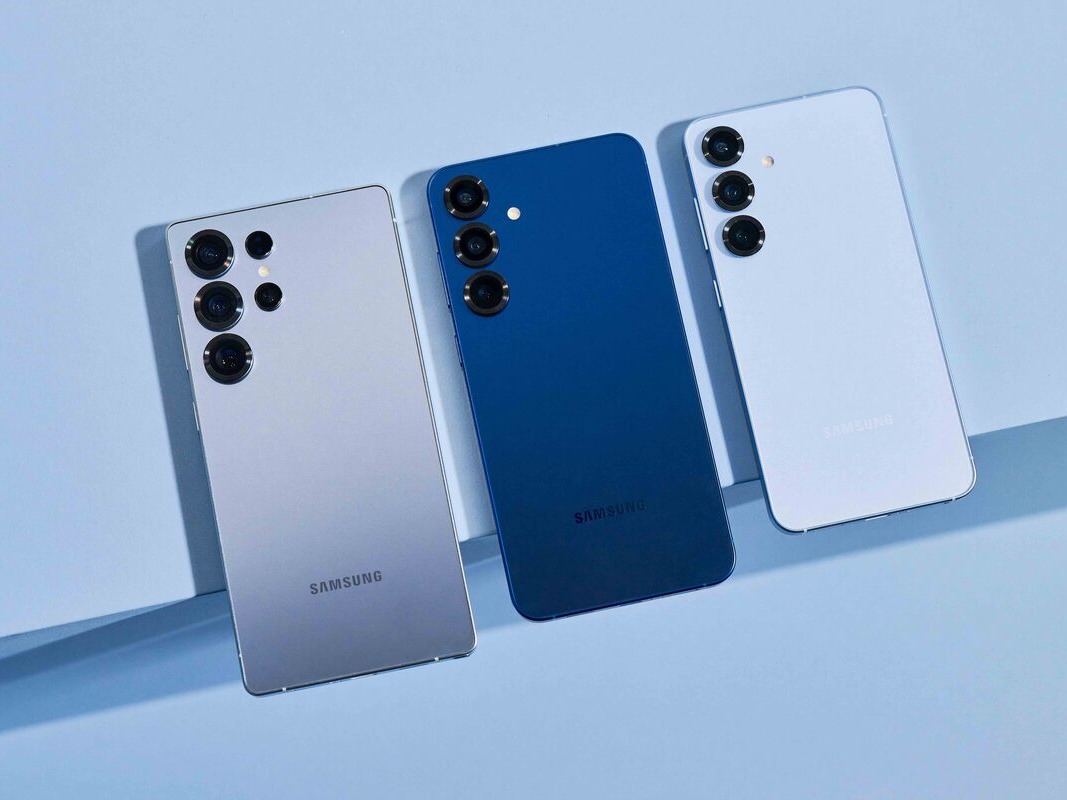
Samsung appears to be preparing a new addition to its Galaxy S26 series that could surpass the slimness of the Galaxy S25 Edge. Launched in May, the Galaxy S25 Edge was celebrated for its 5.8mm thin profile, but reportedly weaker-than-expected sales have prompted speculation about the future of the slimline model. Recent leaks suggest that instead of discontinuing the concept, Samsung may introduce a rebranded, even slimmer handset as part of the upcoming S26 series.

The new device, internally codenamed ‘More Slim,’ is said to have a remarkably thin 5.56mm profile, making it thinner than the current Galaxy S25 Edge. If true, this could position the model as one of the slimmest premium smartphones on the market, even surpassing the 5.6mm iPhone Air. Analysts believe Samsung might be using a new naming strategy to reposition its ultra-slim lineup after the S25 Edge’s lukewarm reception.

In terms of display, the ‘More Slim’ model is tipped to feature a 6.6-inch Dynamic AMOLED 2X LTPO 2.5 panel with an adaptive 120Hz refresh rate. This would ensure smooth visuals and responsive touch performance, aligning with the company’s flagship-grade specifications while maintaining the ultra-slim form factor.

Battery life is also expected to see an upgrade compared with the S25 Edge. Reports indicate a 4,300mAh lithium-polymer battery will be integrated into the handset, alongside Samsung’s in-house Exynos 2600 chipset. This combination is expected to provide a balance of high performance and energy efficiency, ensuring that users won’t have to compromise on power despite the slimmer design.
Samsung Teases Galaxy S26 Series With Enhanced Chipset, Camera Upgrades, and Advanced AI Features

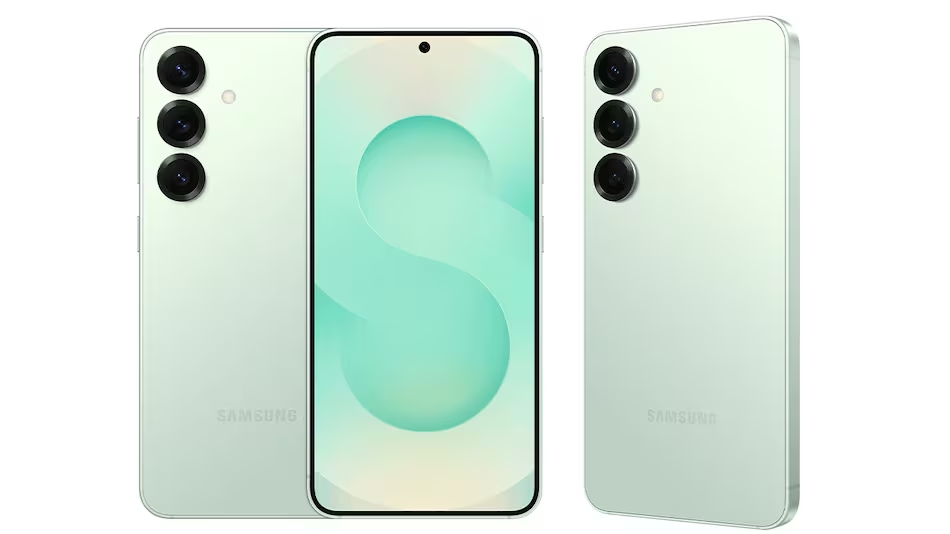
Samsung has officially revealed details about its upcoming Galaxy S26 series, highlighting major upgrades across AI, performance, and camera capabilities. During its Q3 2025 earnings call, a senior executive confirmed that the new flagship lineup will feature next-generation AI tools, a second-generation custom chipset, and enhanced imaging hardware. This announcement represents Samsung’s first formal glimpse into the innovations planned for the Galaxy S26 series, which is expected to drive the company’s AI-focused smartphone strategy in 2026.

The Galaxy S26 series is expected to bring notable improvements in user experience, powered by advanced artificial intelligence. Daniel Araujo, Vice President of Samsung’s Mobile Experience Division, emphasized that the flagship lineup aims to “revolutionize the user experience” with AI features designed to improve performance, photography, and device interactions. These enhancements will likely extend to smarter camera processing, adaptive battery management, and intelligent app optimization.

The series will reportedly debut with Samsung’s second-generation custom application processor, widely interpreted as the Exynos 2600. Built on a 2nm process, this chipset is expected to deliver significant gains in power efficiency and processing performance compared to previous models. Additionally, Samsung will likely maintain its dual-chip strategy, offering select variants with Qualcomm’s Snapdragon 8 Elite Gen 5 for Galaxy processor, ensuring top-tier performance across global markets.

Camera improvements are also expected to be a major focus for the Galaxy S26 series. The devices could feature upgraded sensors, better low-light photography, and enhanced computational photography capabilities powered by AI. Combined with the new chipset and software optimizations, Samsung appears set to offer one of its most advanced flagship smartphone experiences yet.

Samsung Galaxy S26 Lineup May Include Dedicated Exynos Connectivity Processor

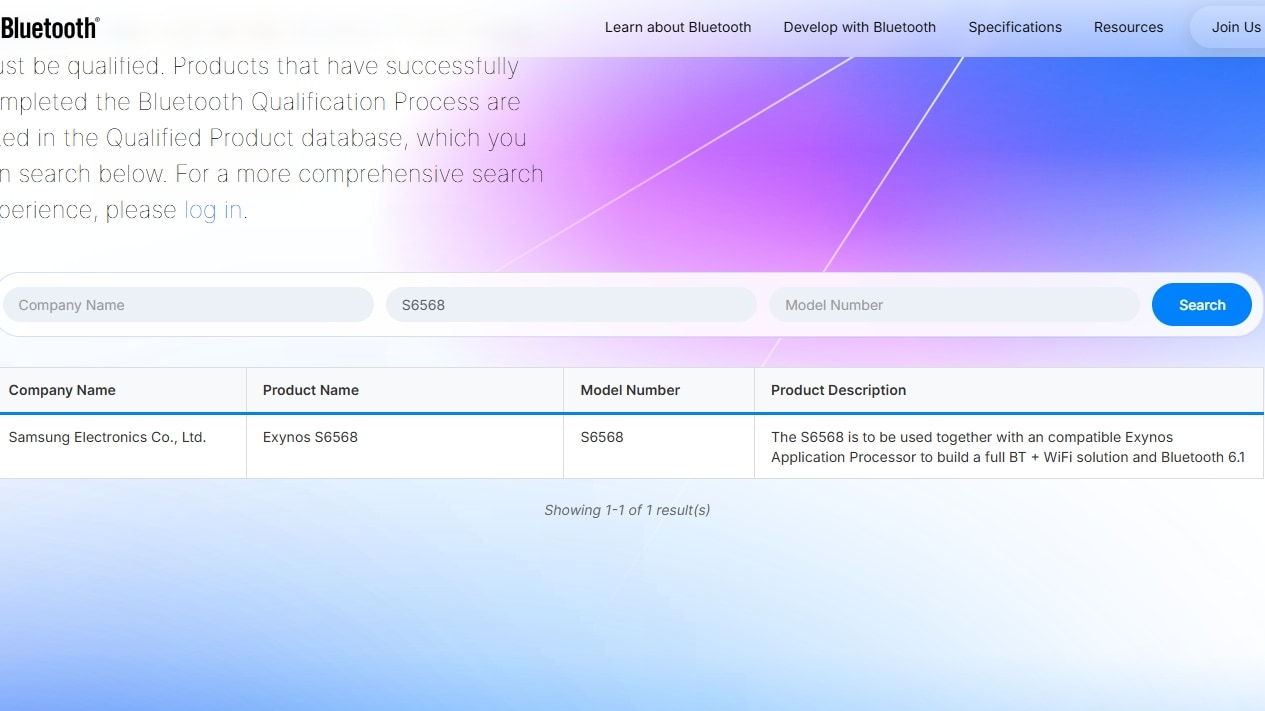
Samsung’s upcoming Galaxy S26 series is already generating buzz ahead of its expected launch next year. The lineup — which will reportedly include the Galaxy S26, Galaxy S26+, and Galaxy S26 Ultra — is set to feature the latest Exynos 2600 chipset in most global markets, while some regions may get variants powered by Qualcomm’s Snapdragon 8 Elite Gen 5. However, a recent certification has hinted at another important piece of hardware that could debut with the new flagships. A listing on the Bluetooth SIG website suggests Samsung might equip the S26 series with a brand-new dedicated connectivity chip, marking a first for the company’s Galaxy S lineup.

The newly listed chip, identified as the Exynos S6568, is designed to handle connectivity functions separately from the main processor. According to the certification details, it will support the latest Bluetooth 6.1 standard and advanced Wi-Fi capabilities. The description also notes that the chip is meant to work in tandem with a “compatible Exynos Application Processor,” which most likely refers to the upcoming Exynos 2600. This pairing could allow Samsung to offload certain communication tasks — such as Bluetooth, Wi-Fi, and possibly ultra-wideband (UWB) — to the new chip, improving both performance and efficiency.

samsung exynos s6568  Samsung Chipset

Beyond connectivity, the dedicated Exynos S6568 chip could also bring new privacy and security benefits. Samsung has been increasingly focused on hardware-based security solutions through its Knox platform, and integrating a separate communication chip could strengthen protections around wireless data transmission. With Bluetooth 6.1 promising faster pairing, improved range, and reduced interference, the S26 series might also deliver a smoother experience for connected devices like Galaxy Buds, watches, and smart home accessories.

Given Samsung’s typical launch cadence, the Galaxy S26 series is likely in the final stages of hardware development. The addition of the Exynos S6568 could represent Samsung’s next big step toward a modular chip architecture, where specialized processors handle dedicated tasks to optimize efficiency and security. If confirmed, the Galaxy S26 lineup could set a new benchmark for smartphone connectivity — blending cutting-edge performance with advanced, privacy-focused communication technology.