Yazılar

Samsung Galaxy Z Fold 7 Set to Become the Slimmest Foldable Smartphone at Launch

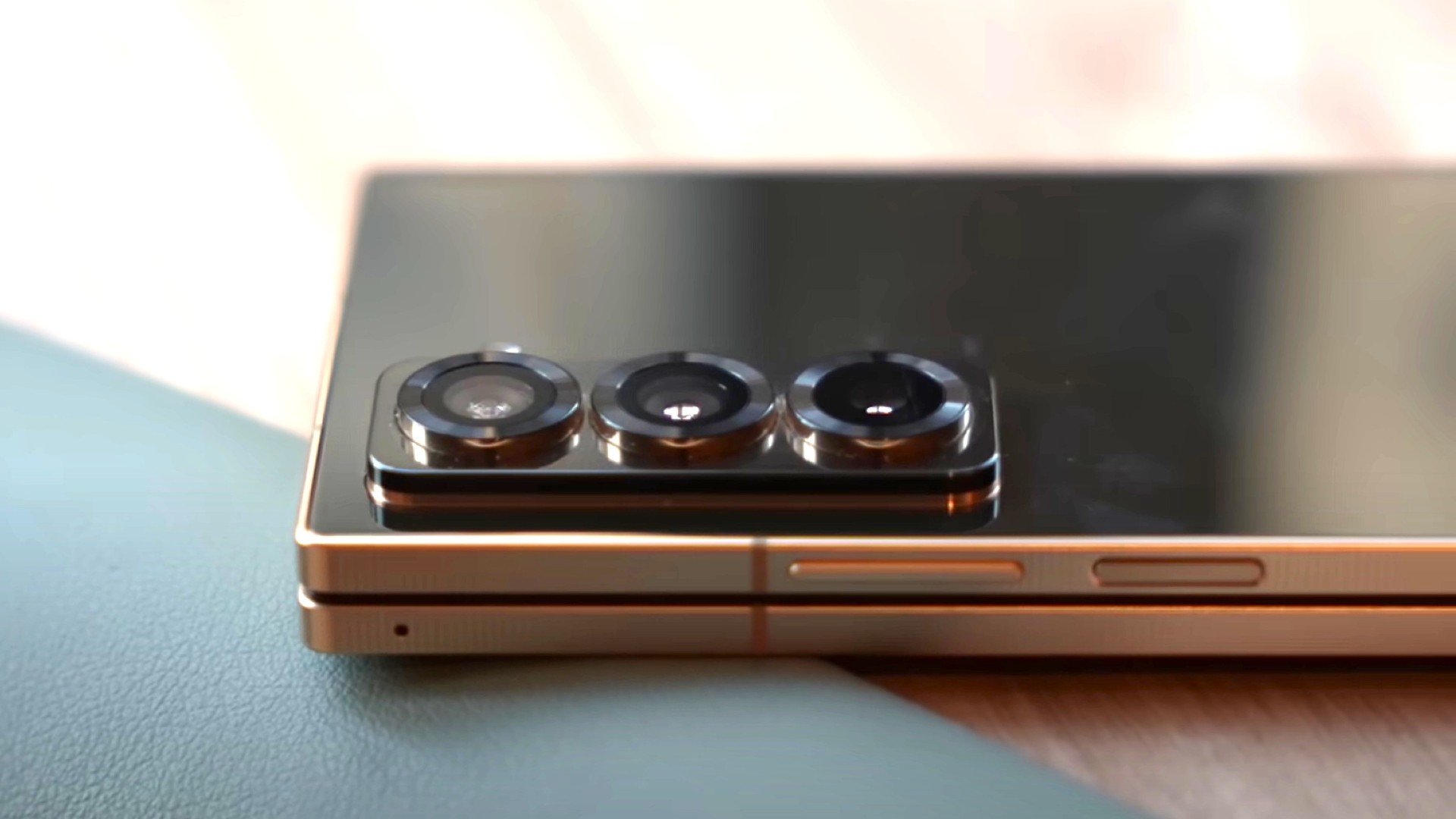
In the competitive foldable smartphone market, manufacturers are increasingly focusing on ultra-thin designs to attract consumers. Samsung appears to be leading this trend with its upcoming Galaxy Z Fold 7, which is rumored to be the thinnest foldable smartphone in the world at launch. According to recent leaks, the device is expected to measure just 8.9mm thick when folded, making it significantly slimmer than its predecessor, the Galaxy Z Fold 6. This move could set a new benchmark for foldables in terms of sleekness and portability.

Renowned tipster Ice Universe shared details on X, highlighting Samsung’s commitment to crafting a lightweight and slim flagship lineup. The Galaxy Z Fold 7 reportedly measures 3.9mm when unfolded and 8.9mm when folded—much thinner compared to the Galaxy Z Fold 6, which measures 5.6mm unfolded and 12.2mm folded. For context, Oppo’s Find N5, which currently holds the claim as one of the slimmest foldables, measures 8.93mm folded and 4.21mm unfolded, meaning Samsung’s new model could edge it out in thinness.

However, this pursuit of a slimmer profile may come with some compromises, particularly in battery capacity. Leaks suggest that the Galaxy Z Fold 7 will retain the same 4,400mAh battery as the Fold 6, rather than increasing the capacity. Despite this, Samsung is reportedly working on new battery and charging technologies that could optimize power efficiency and charging speeds to compensate for the unchanged battery size.

Meanwhile, other upcoming Samsung devices are also expected to reflect this design philosophy. The Galaxy Z Flip 7 is rumored to feature a slightly larger 4,300mAh battery compared to the Flip 6’s 4,000mAh pack, while maintaining a slim build. Additionally, the upcoming Galaxy S26 base model is expected to keep a thin profile similar to the current Galaxy S25, which measures 7.2mm thick. Overall, Samsung seems poised to balance sleek designs with practical performance in its next-generation smartphones.

Samsung Galaxy S26 Ultra Expected to Have a Battery Under 6,000mAh

The upcoming Samsung Galaxy S26 Ultra is expected to be the successor of the Galaxy S25 Ultra, which was released earlier this year. Alongside the Galaxy S25 and S25+, it marked a significant step in Samsung’s smartphone offerings. As the launch of the Galaxy S26 series draws closer, several details about the device have been leaked, including rumors surrounding its chipset and camera specifications. However, one of the most debated aspects of the Galaxy S26 Ultra is its battery capacity, with recent reports suggesting a shift in the typical battery size that users have come to expect from Samsung’s flagship devices.

According to a tipster known as PandaFlash, the Galaxy S26 Ultra may feature a battery smaller than the 6,000mAh mark. In a post on X (formerly Twitter), PandaFlash expressed confidence in this information, even stating that they would delete their account if the Galaxy S26 Ultra ends up with a 6,000mAh or 7,000mAh battery. Further details from the tipster indicate that the phone’s battery could have a capacity of 5,396mAh, as reported from Samsung’s internal Test Lab. This potential reduction in battery size has drawn attention, especially given that the previous model, the Galaxy S25 Ultra, already featured a 5,000mAh battery.

An interesting factor surrounding the Galaxy S26 Ultra’s battery is the possible switch to a silicon-carbon battery, a major departure from the standard lithium-ion batteries used in previous devices. This new type of battery is rumored to enhance energy density by 10 percent, offering more power in the same size, and could be a step toward making smartphones safer and more environmentally friendly. However, it is still unclear whether Samsung will adopt silicon-carbon or stick with lithium-ion for the Galaxy S26 Ultra. The tipster’s claim does not provide a definitive answer, but it adds to the growing intrigue surrounding the next-generation smartphone.

Comparing the S26 Ultra with its predecessor, the Galaxy S25 Ultra, the battery situation remains intriguing. The S25 Ultra, just like the Galaxy S24 Ultra before it, featured a 5,000mAh battery. With the potential move to a smaller battery in the S26 Ultra, it will be interesting to see how this impacts overall performance, battery life, and consumer reception. As Samsung continues to innovate with its hardware, the decision regarding battery capacity and type will likely play a pivotal role in shaping the Galaxy S26 Ultra’s success in the competitive smartphone market.

Samsung Galaxy S26 Series Could Feature Exynos Chips as Foundry Yields Improve

Samsung has officially launched its Galaxy S25 series, with all three models now available for purchase in India. Priced from Rs. 80,999, the new lineup exclusively features Qualcomm’s Snapdragon 8 Elite processor across all regions. This marks a significant shift from last year’s Galaxy S24 series, where Samsung equipped the Galaxy S24 and S24 Plus models with its in-house Exynos 2400 SoC, reserving the Snapdragon variant for the flagship S24 Ultra. However, reports suggest that Samsung may return to Exynos chips for its upcoming Galaxy S26 series.

According to a report by Korean publication The Bell, Samsung Electronics has made notable progress with the Exynos 2600 SoC, achieving a reported 30 percent yield. This is a marked improvement over the Exynos 2500 SoC, which was ultimately scrapped due to production challenges. While a 30 percent yield is a promising start, a similar situation unfolded last year with the Exynos 2500, but Samsung ultimately opted for Qualcomm’s chipset for the Galaxy S25 series. The company now aims to overcome past setbacks and push its next-generation Exynos chips into mass production.

The report states that Samsung’s chip division is planning mass production of the Exynos 2600 in the fourth quarter of this year—provided it can achieve a 60 percent yield. This threshold is generally required for a chipset to enter large-scale manufacturing. It is also believed that Samsung’s inability to meet this target with the Exynos 2500 was the primary reason for its reliance on Qualcomm processors in the Galaxy S25 lineup. If Samsung succeeds in improving production efficiency, the Exynos 2600 could power a significant portion of the Galaxy S26 series.

Leaks also suggest that the Galaxy S26 series will debut around the same time as the S25 lineup did this year. Along with a potential switch back to Exynos for select models, the new smartphones are rumored to introduce major upgrades, including silicon-carbon batteries for improved power efficiency, enhanced camera systems, and an under-display camera for the Galaxy S26 Ultra. With these advancements, Samsung aims to strengthen its position in the flagship smartphone market while refining its in-house chip technology.