Yazılar

Samsung Electronics Co-CEO Han Jong-hee Dies, Jun Young-hyun Becomes Sole CEO

Samsung Electronics announced on Tuesday the sudden death of co-CEO Han Jong-hee, who passed away at the age of 63 after suffering a heart attack. Han’s death leaves newly-appointed CEO Jun Young-hyun in charge of the tech giant as it faces challenges in its underperforming chip division and navigates uncertainties in global trade.

Han, who had a distinguished 40-year career at Samsung, was known for his pivotal role in building Samsung’s influential television business. Despite his unexpected passing, Samsung stated that Jun would now serve as the sole CEO, after Han had previously shared leadership responsibilities with him, overseeing the company’s consumer and semiconductor divisions.

Jun’s appointment as co-CEO was announced just a week ago at Samsung’s annual shareholders meeting. He had been promoted in 2024 to lead the semiconductor division, which has been lagging behind competitors like SK Hynix and TSMC, particularly in the growing artificial intelligence (AI) chip market.

Samsung has faced difficult times in recent quarters, with weak earnings, a declining share price, and struggles in its semiconductor and smartphone divisions. The company has fallen behind in advanced memory chips and AI-related contract chip manufacturing, sectors in which rivals have enjoyed strong demand, particularly due to the AI boom. Han had acknowledged these challenges during the shareholder meeting, citing 2025 as a potentially tough year and emphasizing Samsung’s efforts to flexibly respond to trade challenges, including U.S. tariffs.

Han’s passing could have a long-term impact on Samsung’s business strategy, particularly in marketing and other areas like home appliances. The company is also exploring new growth opportunities in automotive electronics, a sector Samsung aims to expand into for future revenue streams.

India Orders $601 Million Tax Demand from Samsung for Telecom Imports

India’s customs authorities have issued a significant tax demand against Samsung, ordering the company and its executives to pay $601 million in back taxes and penalties for allegedly dodging tariffs on essential telecom equipment. This demand represents a substantial portion of Samsung’s $955 million net profit in India for the previous year and is one of the largest such demands in recent years.

The issue revolves around Samsung’s importation of critical transmission components used in mobile towers, which were allegedly misclassified to avoid tariffs of 10% or 20%. The components, primarily used by Mukesh Ambani’s telecom giant Reliance Jio, were deemed by Indian officials to be misclassified in a way that avoided tariffs. Despite warnings from Indian tax authorities in 2023, Samsung contended that the components did not attract the tariffs, and argued that its classification practices had been longstanding.

The Indian authorities, however, determined that Samsung had “knowingly and intentionally presented false documents” to evade taxes, accusing the company of violating Indian laws and business ethics. As a result, Samsung was ordered to pay 44.6 billion rupees ($520 million) in unpaid taxes, along with an additional penalty, while seven Indian executives face fines totaling $81 million.

Samsung is considering its legal options, asserting that it complied with Indian tax laws. The dispute has heightened concerns among foreign companies in India, particularly as the country intensifies oversight of foreign imports. The case also comes amid other high-profile tax disputes involving global companies, such as Volkswagen’s ongoing legal battle over a $1.4 billion tax demand.

Samsung Galaxy S25 Edge Battery Capacity Revealed in UL Demko Certification

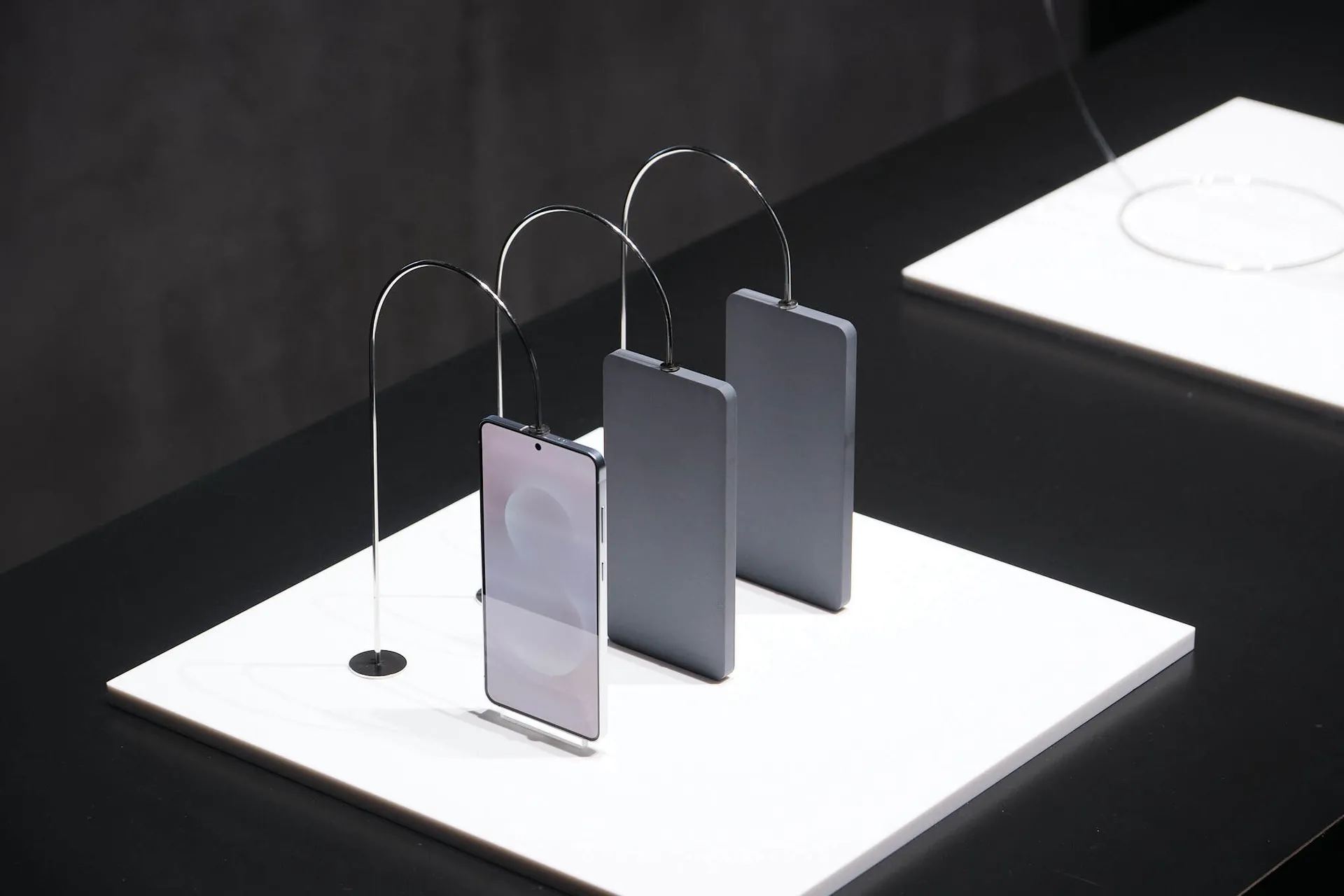
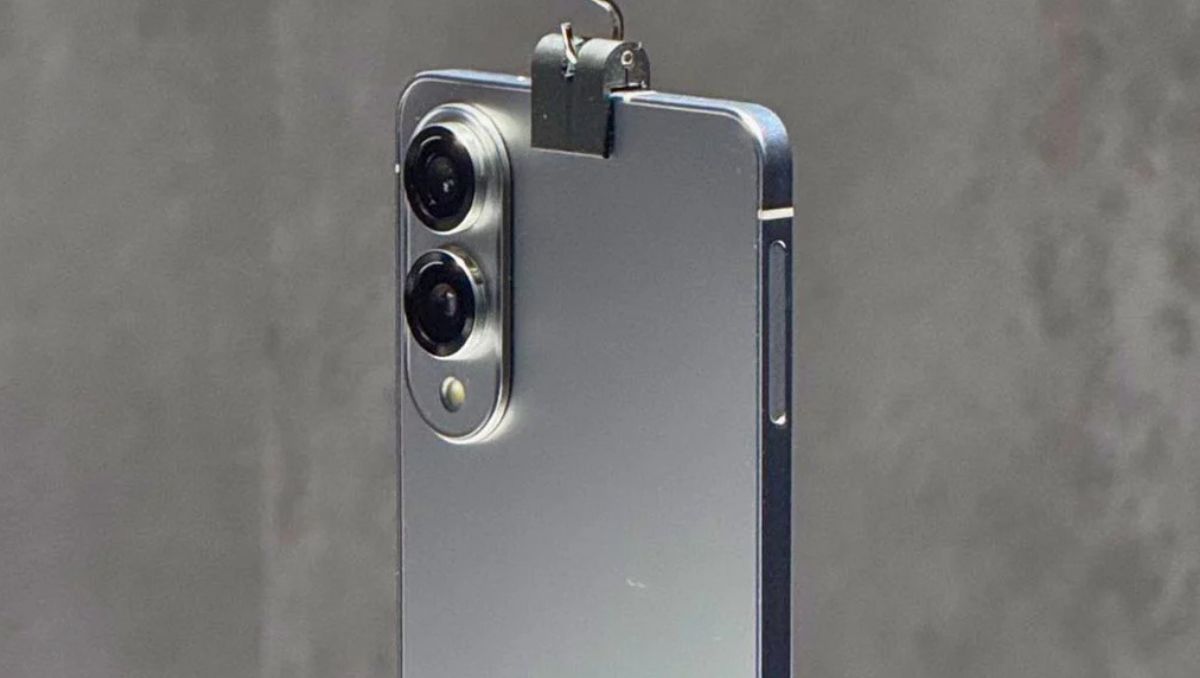
Samsung is gearing up to expand its Galaxy S25 series with the addition of the Galaxy S25 Edge, a slimmer variant expected to join the lineup. While the device is anticipated to share several features with the standard, Plus, and Ultra models, it may come with a smaller battery compared to the base version. A recent certification listing has provided further evidence of this, suggesting that the Galaxy S25 Edge will feature a more compact battery capacity than its counterparts.

The battery details for the Samsung Galaxy S25 Edge recently surfaced on the UL Demko certification database, revealing a model number EB-BS937ABY. According to the listing, the handset will house a 3,786mAh battery, which is likely the rated capacity. In commercial terms, Samsung is expected to market it as a 3,900mAh battery, aligning with previous leaks regarding the device’s specifications.

This information reinforces earlier reports suggesting that the Galaxy S25 Edge will indeed have a smaller battery than the standard Galaxy S25, which is equipped with a 4,000mAh cell. Despite the slight reduction in battery capacity, the Edge variant is expected to maintain similar performance and efficiency optimizations as its sibling models. Notably, the phone had previously appeared on China’s 3C certification site, hinting at key charging capabilities.

According to the 3C listing, the Galaxy S25 Edge is expected to support 25W wired charging, matching the base S25 model. While Samsung has yet to officially confirm these specifications, the certification leaks suggest that the Galaxy S25 Edge will prioritize a sleek and lightweight design while retaining essential features from the main lineup. More details will likely emerge as the device approaches its official launch.