Yazılar

Samsung Q4 Earnings Expected to Be Hit by Nvidia AI Chip Supply Delay

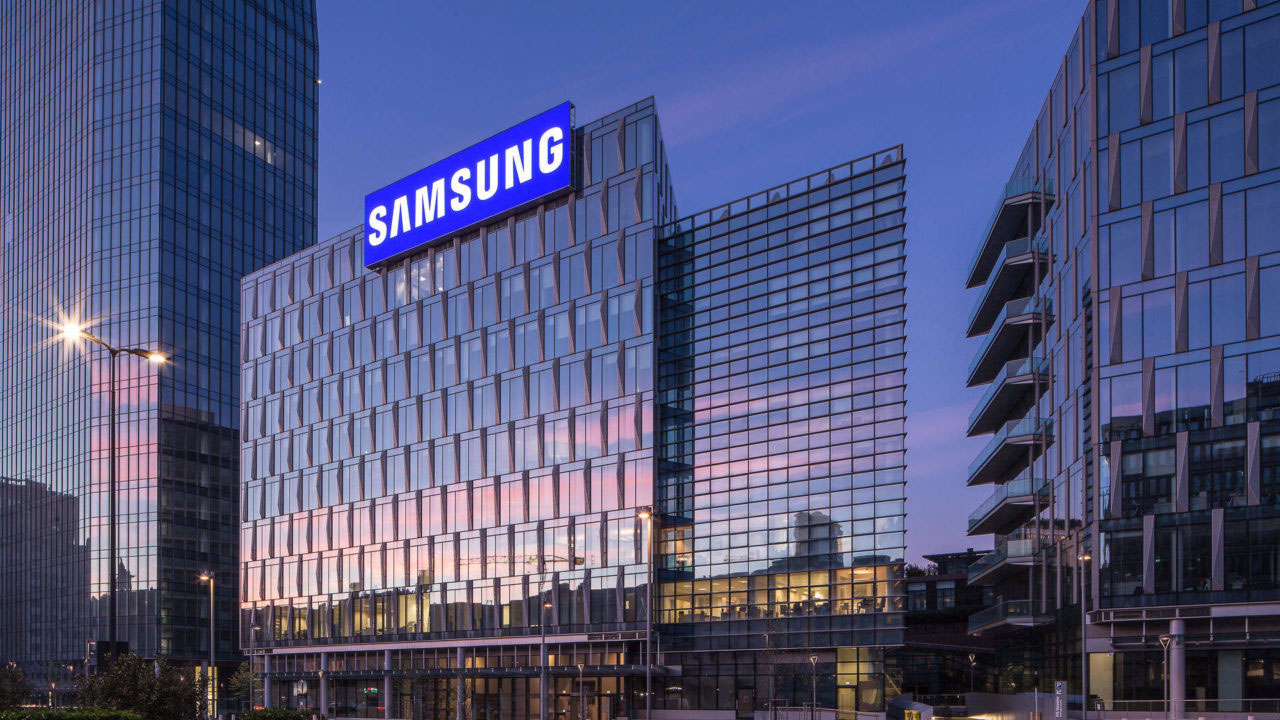
Samsung Electronics (005930.KS), the world’s largest memory chip maker, is forecasted to report slowed profit growth in the fourth quarter, as it struggles to meet Nvidia’s (NVDA.O) soaring demand for AI chips. Despite an expected operating profit of 8.2 trillion won ($5.6 billion) in the quarter ending December, up from 2.8 trillion won a year ago, this figure represents a decline from the previous quarter’s 9.18 trillion won.

Analysts have recently revised their earnings forecasts downward, with some projecting Samsung’s operating profit to fall below 8 trillion won. A key issue has been delays in Samsung’s supply of high-end AI chips to Nvidia, which has continued to impact Samsung’s earnings, despite an October apology from the company for its third-quarter performance and an earlier pledge to address the chip shortage.

In November, Samsung reshuffled its chip division leadership, naming its chip division chief co-CEO and granting him direct control over the struggling memory chip business. Meanwhile, Samsung’s shares fell 32% last year, underperforming the broader market’s 10% decline.

Contrastingly, SK Hynix (000660.KS), a major supplier of advanced AI memory chips to Nvidia, is expected to report record earnings for the fourth quarter, benefiting from strong demand for its products.

The broader semiconductor market is facing additional pressure, with weaker demand for traditional chips used in smartphones and PCs, and rising competition from Chinese chipmakers, leading to declining chip prices. DRAM prices, particularly DDR4 chips used in personal computers, have dropped as much as 13% in Q4 and are expected to fall another 15% in the current quarter, according to TrendForce.

The South Korean won’s depreciation in December to its weakest level in 15 years, fueled by political instability and concerns over U.S. tariffs under President-elect Trump, has provided some relief in the form of increased overseas earnings, but this has not been enough to offset weak chip prices.

Samsung is expected to release detailed results later in January, offering a breakdown of its earnings by business segment.
Samsung Galaxy Watch Could Soon Support TV Control via Air Gestures: Report

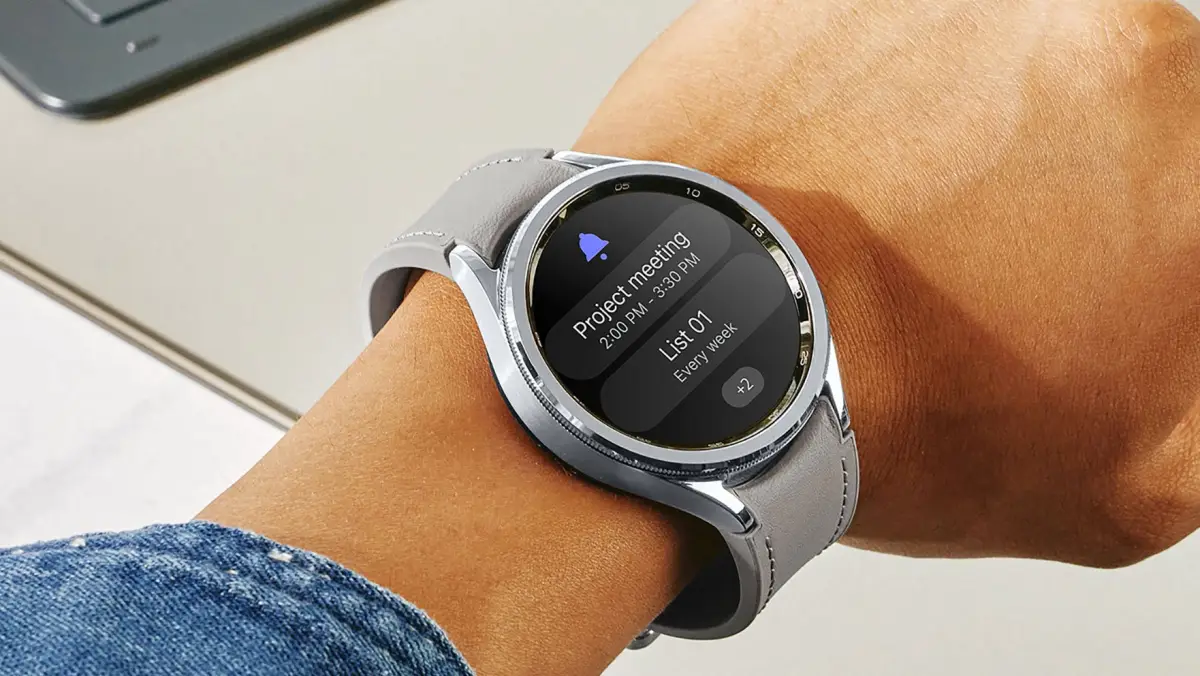
Samsung is reportedly working on a new feature for its Galaxy Watch lineup that could enable users to control supported TVs using air gestures. Known as “Pointer Mode,” this functionality was discovered through an APK teardown of the SmartThings app for Wear OS, as reported by Android Authority. While still in development, Pointer Mode appears to draw inspiration from the seamless cross-functionality between the Apple Watch and Apple Vision Pro, aiming to enhance integration across Samsung’s ecosystem.

Details of Pointer Mode suggest that it could allow Galaxy Watch users to interact with TVs, but only those compatible with the feature. Android Authority’s report, which analyzed the code of the SmartThings app version 1.3.12.9 for Wear OS, indicates several references to this upcoming functionality. However, it is worth noting that not all apps or TV models may support this feature, which is likely to remain exclusive to Samsung’s Galaxy smartwatches.

According to the code strings uncovered, users may activate Pointer Mode by shaking the hand wearing the Galaxy Watch. This gesture would require the prior deactivation of Universal Gesture, an accessibility feature that lets users control the smartwatch without touching its screen. Once Universal Gesture is disabled, shaking the watch hand would enable Pointer Mode, allowing users to perform specific actions on their TVs without physically interacting with the devices.

If fully implemented, Pointer Mode could become a significant addition to Samsung’s wearable devices, enhancing their utility in smart home settings. By allowing users to control TVs with a simple gesture, the feature promises to streamline the viewing experience and reinforce Samsung’s position as a leader in interconnected devices. However, further details, including supported devices and release timelines, are yet to be revealed as the feature remains in the developmental phase.

Apple, Samsung Smartphone Shipments Decline Amid Rising Chinese Competition: IDC Report

Global smartphone shipments for Apple and Samsung declined in the fourth quarter of 2024 as Chinese manufacturers, including Xiaomi, Oppo, and Honor, intensified competition, according to preliminary data from the International Data Corporation (IDC).

The global smartphone market has rebounded after two years of decline, driven by the aggressive expansion of Chinese brands into low-end devices and their dominant focus on the domestic market. Chinese companies shipped 56% of global smartphones in the fourth quarter, marking their highest combined volume ever in a single quarter.

Apple and Samsung See Shipment Declines

Apple’s shipments fell by 4.1% to 76.9 million units, while Samsung’s declined by 2.7% to 51.7 million units during the same period. Despite the downturn, Apple maintained its position as the top global smartphone brand for 2024 with an 18.7% market share, followed closely by Samsung at 18%.

Meanwhile, Xiaomi, which held 13.6% of the market, showed the fastest growth among the top five smartphone brands, with a 15.4% increase in shipments. In contrast, Apple’s total shipments for the year dropped by 0.9%, and Samsung’s fell by 1.4%.

Chinese Manufacturers Drive Market Growth

Chinese smartphone makers leveraged their competitive edge in low-end and mid-range devices to expand their market presence, particularly in Europe and Africa. Their focus on affordability and value for money has resonated with consumers, allowing them to achieve record-high shipments in the fourth quarter.

Nabila Popal, senior research director for worldwide client devices at IDC, expressed optimism for continued growth in 2025. However, she also highlighted industry uncertainties due to the possibility of new tariffs from the incoming U.S. administration.

Foldable Smartphone Market Struggles

Despite growth in several regions, demand for foldable smartphones has been underwhelming. IDC research director Anthony Scarsella noted that even with heavy promotions and marketing, consumer interest in foldables has remained flat. As a result, smartphone makers are reallocating research and development budgets away from foldable devices.

The evolving landscape of the global smartphone market underscores the increasing influence of Chinese brands and the shifting consumer demand for innovative yet cost-effective options.