Yazılar

Waymo Recalls 1,200 Self-Driving Vehicles Over Barrier Collision Risks

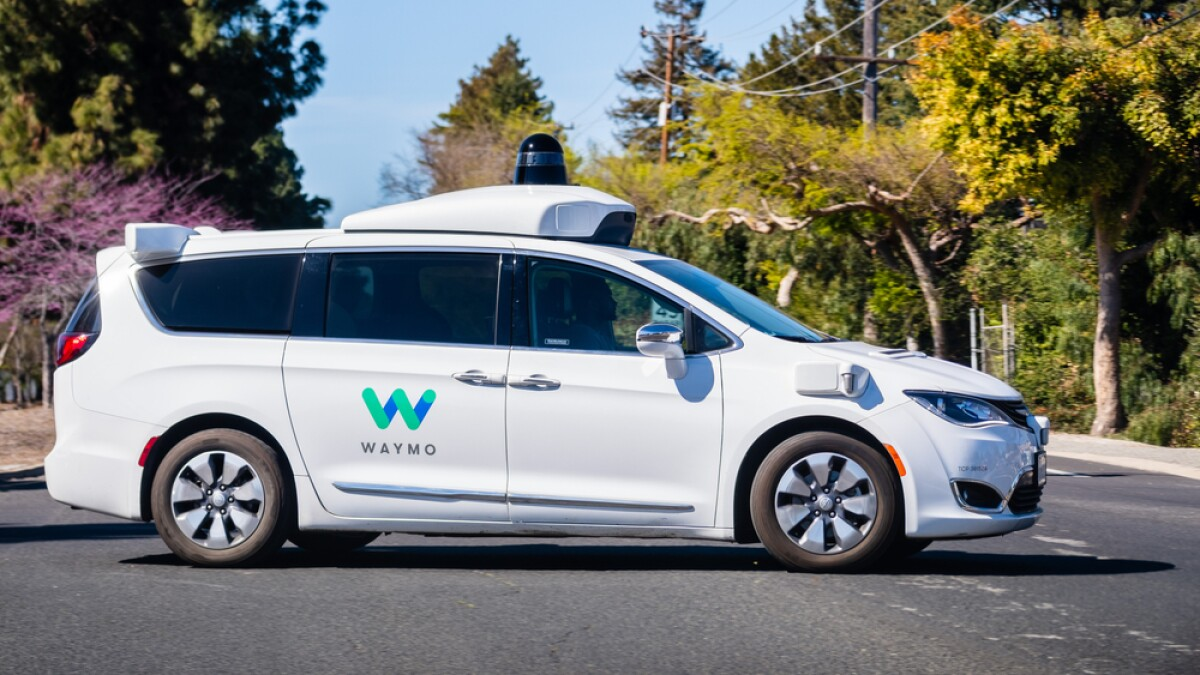
Waymo, Alphabet’s autonomous vehicle division, is recalling 1,212 self-driving vehicles in the U.S. to fix a software issue that led to minor collisions with chains, gates, and other stationary barriers, the company disclosed on Wednesday.

The recall follows a National Highway Traffic Safety Administration (NHTSA) probe initiated in May 2024, investigating reports that Waymo’s robotaxis had engaged in unsafe driving behaviors and failed to avoid clearly visible objects.

Key Details of the Recall:

  • Number of vehicles affected: 1,212 running the fifth-generation automated driving system.

  • Issue: Software misinterpretation of fixed road barriers, such as chains, poles, and gates.

  • Known incidents: 16 minor collisions (2022–late 2024), no injuries reported.

  • Resolution: A software update initiated in November 2024 and fully deployed by December.

  • Total Waymo fleet: Over 1,500 vehicles currently active in San Francisco, Los Angeles, Phoenix, and Austin.

  • Expansion plans: Services launching soon in Atlanta, Miami, and Washington, D.C.

Our record of reducing injuries over tens of millions of fully autonomous miles driven shows our technology is making roads safer,” Waymo said.

Ongoing Scrutiny

  • The NHTSA investigation remains open, focusing on multiple incidents where Waymo vehicles collided with obvious obstacles that a human driver would typically avoid.

  • In a similar trend, self-driving rivals like GM’s Cruise and Amazon’s Zoox have also been hit with recalls:

    • Cruise was penalized after a serious pedestrian injury in 2023, prompting GM to slash funding.

    • Zoox recalled 270 vehicles last week after a Las Vegas crash involving an unoccupied robotaxi.

Waymo’s Recent Recall History

  • February 2024: 444 vehicles recalled due to faulty predictions of towed vehicle movement.

  • June 2024: 670+ vehicles recalled after a collision with a wooden utility pole in Phoenix.

Despite the recent setbacks, Alphabet shares rose 4% on Wednesday, as investors focused on the broader AI and mobility potential of Waymo.

The recall underscores both the promise and fragility of autonomous driving technology, as companies balance innovation with public safety and regulatory compliance in increasingly complex urban environments.

Amazon’s Zoox to Expand Robotaxi Production Ahead of U.S. Rollout, FT Reports

Zoox, the self-driving vehicle subsidiary of Amazon, plans to scale up production in 2025 as it prepares for a broader commercial rollout of its robotaxi fleet across the U.S., according to a report by the Financial Times on Wednesday.

Co-founder Jesse Levinson said the company will open a new facility in California’s Bay Area, significantly expanding beyond its current production site in Fremont. The new location is expected to support Zoox’s goal of producing hundreds—eventually thousands—of custom-built robotaxis.

To date, Zoox has deployed about two dozen purpose-built autonomous vehicles across six U.S. cities. It plans to begin public ride services in Las Vegas this year, with San Francisco to follow.

The expansion comes amid a shift in federal regulatory attitudes toward self-driving technology, as the Trump administration recently signaled plans to ease some vehicle safety regulations and reduce mandatory incident reporting, in an effort to accelerate autonomous vehicle deployment.

Zoox joins a crowded field of competitors in the U.S. robotaxi market, including Tesla, Waymo (owned by Google’s parent Alphabet), and GM’s Cruise. All have faced regulatory scrutiny, with U.S. authorities investigating safety issues related to autonomous driving systems—including vehicles operated by Zoox.

Sam Altman Joins San Francisco’s Transition Team

OpenAI’s Sam Altman Takes on Role in San Francisco’s Government

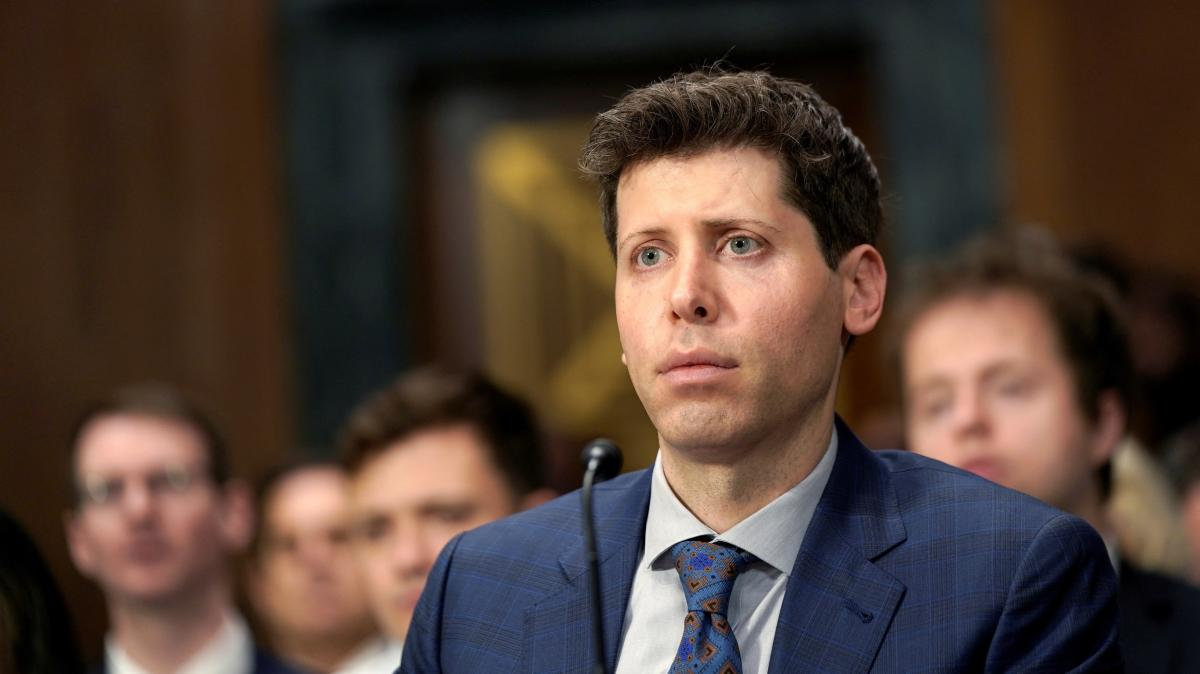
Sam Altman, the CEO of OpenAI, has been appointed as one of seven co-chairs of Mayor-elect Daniel Lurie’s transition team in San Francisco. This appointment marks a growing trend of tech executives stepping into government roles in the city. Altman, whose company is known for developing ChatGPT, joins a group of former Silicon Valley leaders taking up positions in local government following this month’s election.

The increasing influx of tech industry influence into San Francisco has sparked some tensions, as the city, historically associated with counterculture, sees its tech industry expand beyond Silicon Valley into the urban core. San Francisco, facing challenges such as a sluggish post-pandemic economic recovery, homelessness, and drug-related issues, is also shifting politically towards centrist Democratic policies. This transformation is partly fueled by both tech executives and the city’s citizens frustrated with the status quo.


Lurie’s Incoming Administration and Tech Influence

Daniel Lurie, a philanthropist and heir to Levi Strauss fortune, will replace London Breed, the city’s first Black female mayor. Lurie, who takes office on January 8, faces the significant challenge of addressing San Francisco’s public safety crisis, which has prompted many tech leaders to leave the Bay Area. In addition to Altman, Lurie’s campaign was supported by tech figures such as Jan Koum, co-founder of WhatsApp.

Altman’s involvement underscores a broader trend where tech leaders aim to apply their industry expertise to solve urban issues. “I’m excited to help the city I love, and where OpenAI was started,” Altman said in a statement. His participation in the transition team reflects a shift towards a more pragmatic, metrics-driven approach to governance that focuses on quality-of-life issues rather than ideological debates.


Tech’s Role in San Francisco’s Future

Bilal Mahmood and Danny Sauter, both former software entrepreneurs, were also elected to San Francisco’s Board of Supervisors, signaling a wave of tech-driven political change. Mahmood, who has expressed support for more metrics-driven governance, believes the city’s current challenges stem from inefficiencies in its technical infrastructure. He advocates for addressing issues like housing delays and hiring backlogs, areas where tech leaders are well-positioned to make an impact.

These developments suggest a new direction for San Francisco, as its leadership taps into the technical expertise of the Silicon Valley elite to tackle persistent urban issues.