Yazılar

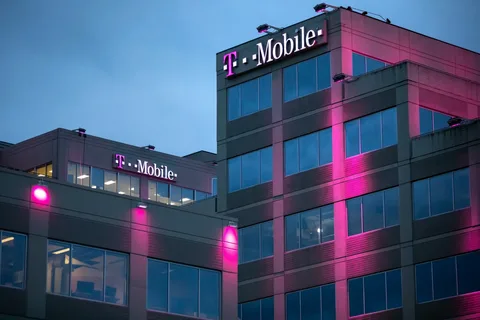
T-Mobile Expands Satellite Network to Support WhatsApp, X, and Google Maps in Remote Areas

T-Mobile announced on Wednesday that its satellite-to-cell network—developed in partnership with SpaceX’s Starlink—now supports popular apps such as WhatsApp, Google Maps, and X, expanding mobile connectivity for users in dead zones and remote regions.

The service, known as T-Satellite, initially launched commercially in July 2024 with limited capabilities, allowing only SMS texting, MMS, photo messages, and short audio clips when users were outside the range of traditional mobile networks.

Now, T-Mobile says the system can support a dozen widely used apps, including Apple Music, Samsung Find, Pixel Weather, AccuWeather, and AllTrails, alongside its new flagship “Experience Beyond” plan.

“We’ve worked closely with Apple and Google to create frameworks for SAT mode so that any app can access the data channel when connected to the satellite,” said Jeff Giard, T-Mobile’s Vice President of Strategic Partnerships and Product Innovation, in an interview with Reuters.

HOW IT WORKS

The network relies on more than 650 Starlink direct-to-cell satellites, which automatically connect when a user’s device loses a terrestrial signal.
Apps that are “satellite-ready” provide essential services such as navigation, communication, and weather updates — though not full, data-heavy features like high-definition video streaming.

T-Mobile customers under the Experience Beyond plan can access the network at no extra charge, while users from AT&T and Verizon can subscribe for $10 per month.

EXPANDING DEVELOPER ACCESS

Giard said that both the App Store and Google Play Store now support SAT mode integration through a dedicated API, enabling developers to make their apps satellite-compatible.
T-Mobile is working with app makers to encourage adoption, especially for tools that provide critical communications and safety features.

“People are excited that their regular phone can now connect to space,” Giard said. “They essentially get a satellite phone experience—without having to buy new equipment.”

With this expansion, T-Mobile strengthens its push toward universal mobile connectivity, aiming to make complete coverage a reality even in the world’s most remote areas.
SpaceX Buys EchoStar Spectrum in $17 Billion Deal to Expand Starlink’s 5G Reach

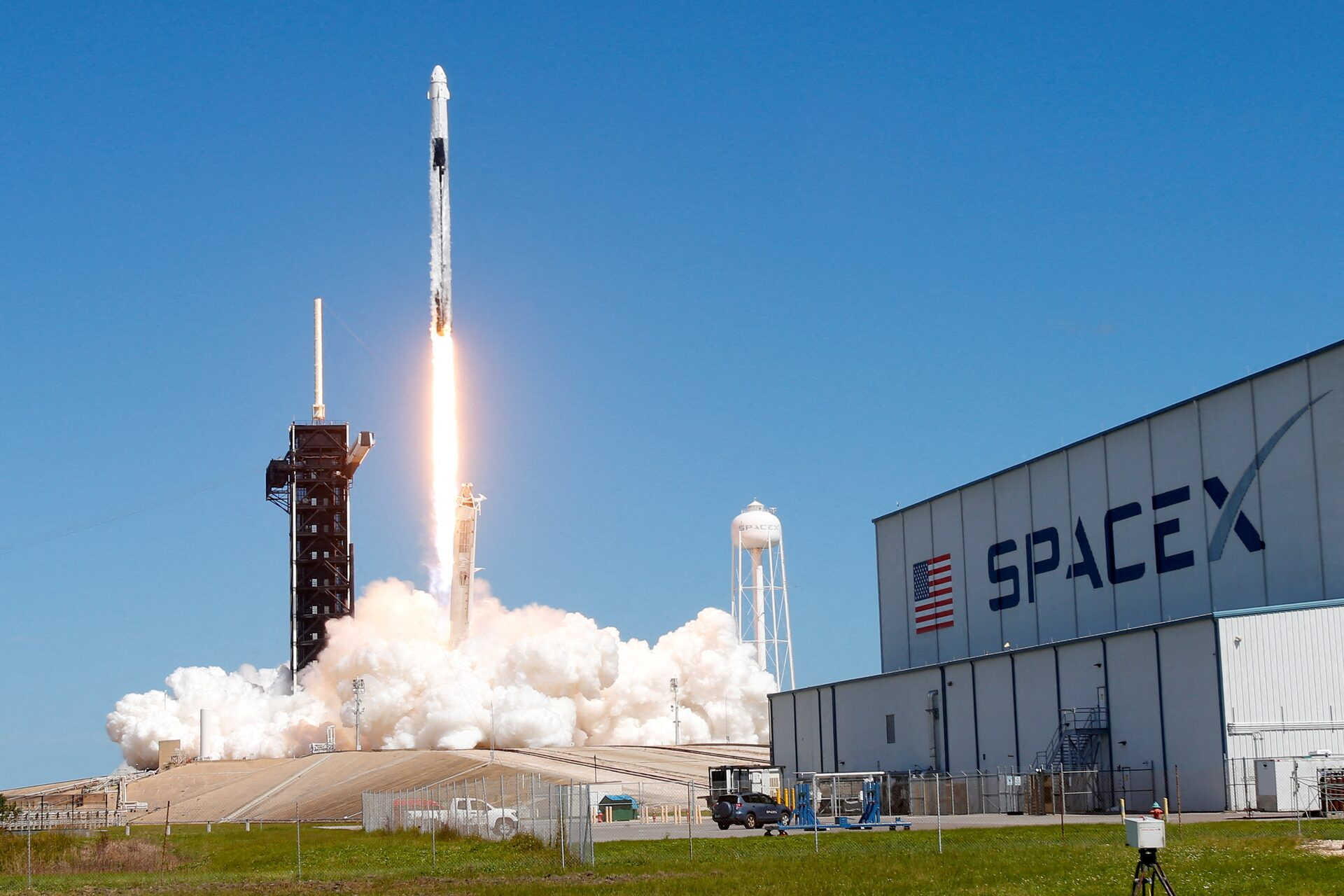
SpaceX announced Monday that it will purchase wireless spectrum licenses from EchoStar for about $17 billion, a move designed to accelerate Starlink’s expansion into the 5G mobile connectivity business. The deal also allows EchoStar’s Boost Mobile subscribers to access Starlink’s direct-to-cell satellite service, extending coverage to underserved regions.

The acquisition gives SpaceX exclusive rights to critical mid-band spectrum, enabling it to build upgraded, laser-linked Starlink satellites that could expand network capacity by over 100 times. “With exclusive spectrum, SpaceX will develop next-generation Starlink Direct to Cell satellites… to end mobile dead zones around the world,” said SpaceX President Gwynne Shotwell.

The deal boosted EchoStar’s shares by 19%, while U.S. carriers AT&T, T-Mobile and Verizon fell 2–3% amid investor concerns over heightened competition. Americans’ mobile data usage surged 35% in 2024 to a record 132 trillion MB, underscoring the need for expanded capacity.

Since 2020, SpaceX has launched more than 8,000 Starlink satellites, with about 600 “cell towers in space” deployed in 2024 alone for direct-to-cell services. Its giant Starship rocket, now in advanced testing, will play a key role in launching the next generation of larger satellites, with operational missions expected in 2026.

The FCC, which had questioned EchoStar’s spectrum obligations, welcomed the SpaceX deal, calling it an opportunity to “supercharge competition” and extend connectivity. EchoStar recently sold $23 billion in spectrum licenses to AT&T, and the SpaceX transaction is expected to resolve regulatory inquiries.

The purchase structure includes $8.5 billion in cash, $8.5 billion in SpaceX stock, and $2 billion in debt interest coverage. EchoStar will continue to operate its Dish TV, Sling, Hughes internet service and Boost Mobile brands.

The deal marks a major win for Elon Musk’s push to control spectrum for Starlink, shifting from leasing agreements with carriers like T-Mobile to operating on frequencies SpaceX owns outright.

China Expands Guowang Internet Constellation with New Satellite Launch

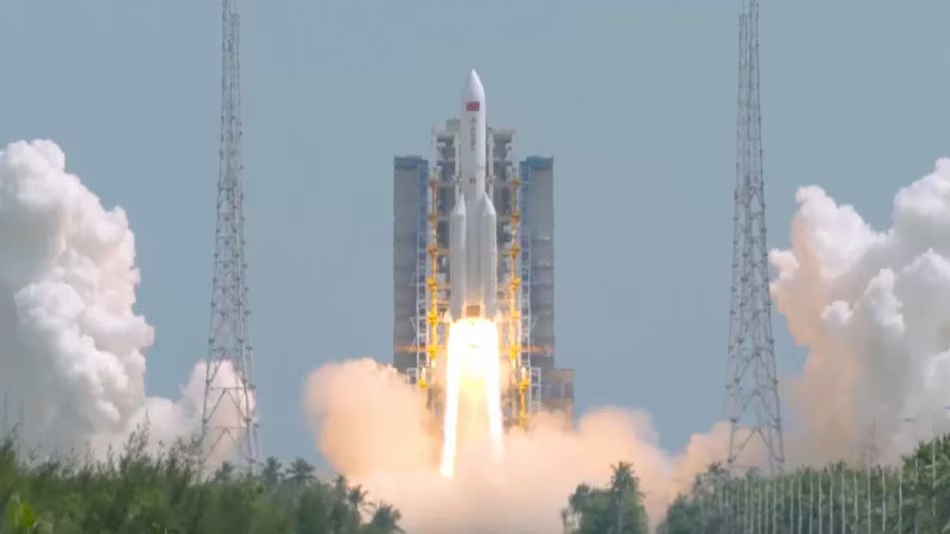
China launched the eighth batch of Guowang satellites on August 13 using a Long March 5B rocket, progressing toward its goal of a 13,000-satellite internet network. Devamını Oku