Yazılar

Hydrogen Gas Cloud Could Hold Key to Unraveling the Mystery of Missing Non-Dark Matter in the Universe

For years, scientists have struggled to account for a significant portion of the universe’s matter. While stars, galaxies, and visible structures make up a portion of the cosmos, it’s been observed that about half of the matter remains unaccounted for. Recent discoveries point toward hydrogen gas clouds as the missing piece of the puzzle, potentially unveiling what has been referred to as the “missing” normal matter of the universe. This missing matter, which isn’t dark matter, could account for as much as 15% of the universe’s total mass.

A groundbreaking study led by Simone Ferraro from the University of California, Berkeley, suggests that hydrogen gas clouds surrounding most galaxies are far more extensive than previously understood. This newfound expansiveness could be the key to solving the mystery of the universe’s missing matter. The study, published in the online preprint journal arXiv, presents compelling evidence that these gas clouds may hold the answer to one of the most perplexing questions in modern astrophysics.

To explore this mystery, Ferraro and her team utilized data from the Dark Energy Spectroscopic Instrument (DESI), which gathered images of approximately 7 million galaxies. By studying the faint halos of ionized hydrogen gas at the outer edges of these galaxies—structures that are invisible to traditional observation methods—the team was able to detect signs of this missing matter. The halos, when connected across galaxies, form a cosmic web that could span vast distances, offering a potential explanation for the undetected matter that has eluded scientists for decades.

This discovery not only sheds light on the missing matter but also offers new insights into the behavior of black holes. Initially, researchers believed black holes emitted a large amount of gas during their early life cycles. However, the study suggests that these cosmic giants may be far more active than previously thought, with some black holes potentially switching on and off in cycles. The next step for astronomers is to integrate these new findings into existing models of the universe, potentially transforming our understanding of both matter and the dynamic role of black holes in cosmic evolution.
Study Uncovers Microplastics in 1970s Caddisfly Casings, Highlighting Persistent Contamination Risks

A team of biologists from the Naturalis Biodiversity Centre in the Netherlands has made a groundbreaking discovery, revealing the presence of microplastics in the casings of caddisfly larvae dating back to the 1970s. This finding challenges previous assumptions about the timeline of microplastic contamination, suggesting that environmental damage from plastic pollution may have begun much earlier than previously thought. The researchers’ discovery highlights the long-term and far-reaching impact of microplastics on ecosystems.

Caddisflies, small moth-like insects typically found near freshwater habitats such as lakes and streams, are known for their unique behavior of constructing protective casings out of materials from their environment. These casings help shield the larvae from predators and harsh environmental conditions. Caddisflies are found in various parts of the world, and their larvae are particularly skilled at collecting materials like twigs, sand grains, and even small pebbles to create these shelters.

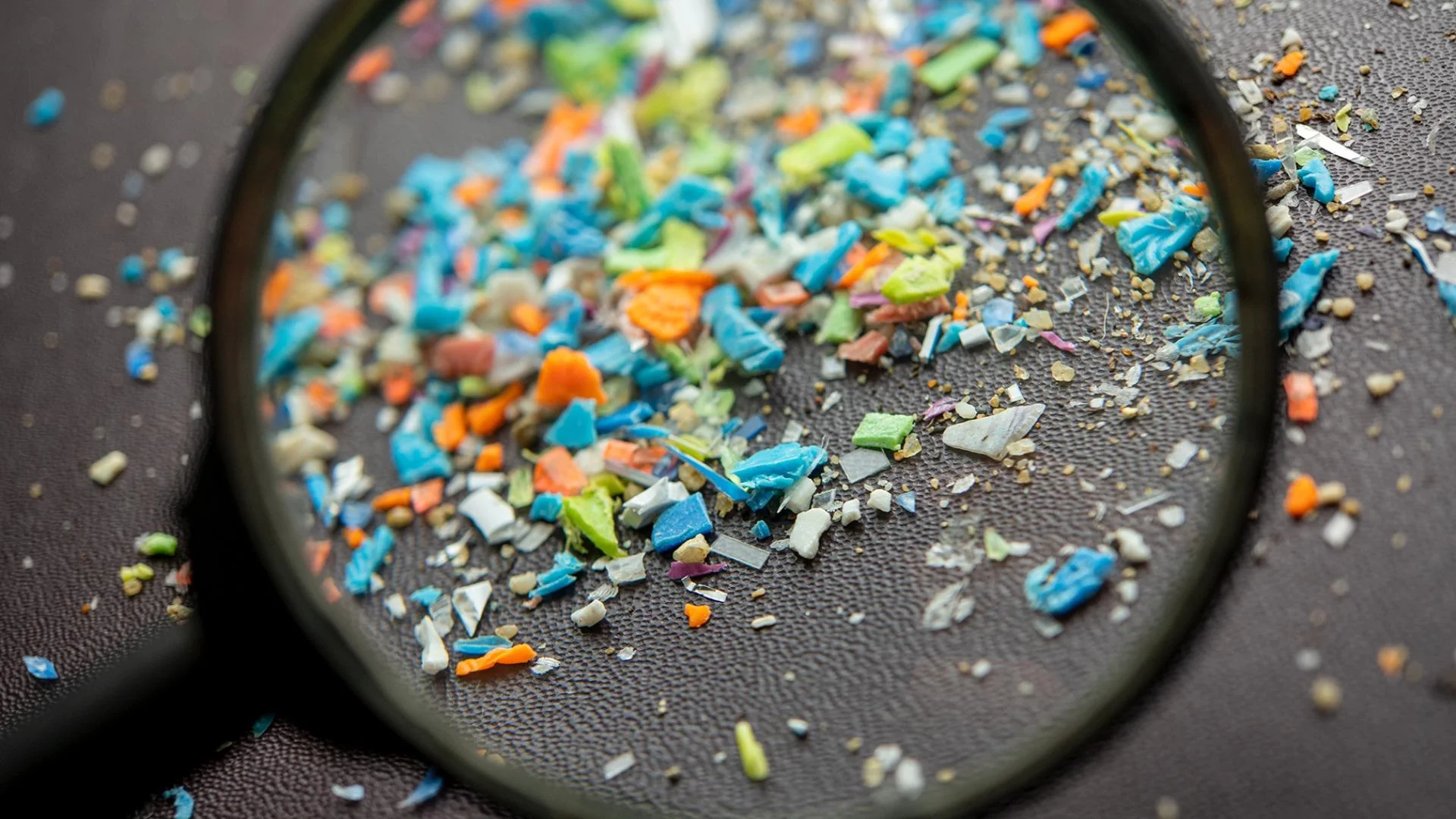
The team’s investigation began when they noticed a brightly colored material on a caddisfly casing in their collection. Upon closer inspection, they discovered that the vibrant substance was, in fact, microplastic particles. Intrigued by this find, the researchers expanded their study to include 549 caddisfly casings from different decades. The results were startling—many of these casings contained microplastics, further confirming the widespread presence of plastic pollution in natural environments for several decades.

This discovery, published in the Science of the Total Environment journal, offers significant insight into the persistence of microplastics in ecosystems. It also raises important questions about the long-term effects of plastic pollution on wildlife and the environment. As microplastics continue to accumulate in natural habitats, this research underscores the urgent need to address the global plastic waste crisis before the environmental consequences become irreversible.

Lyrid Meteor Shower 2025 Set to Illuminate the Night Sky: Here’s When to Catch the Show

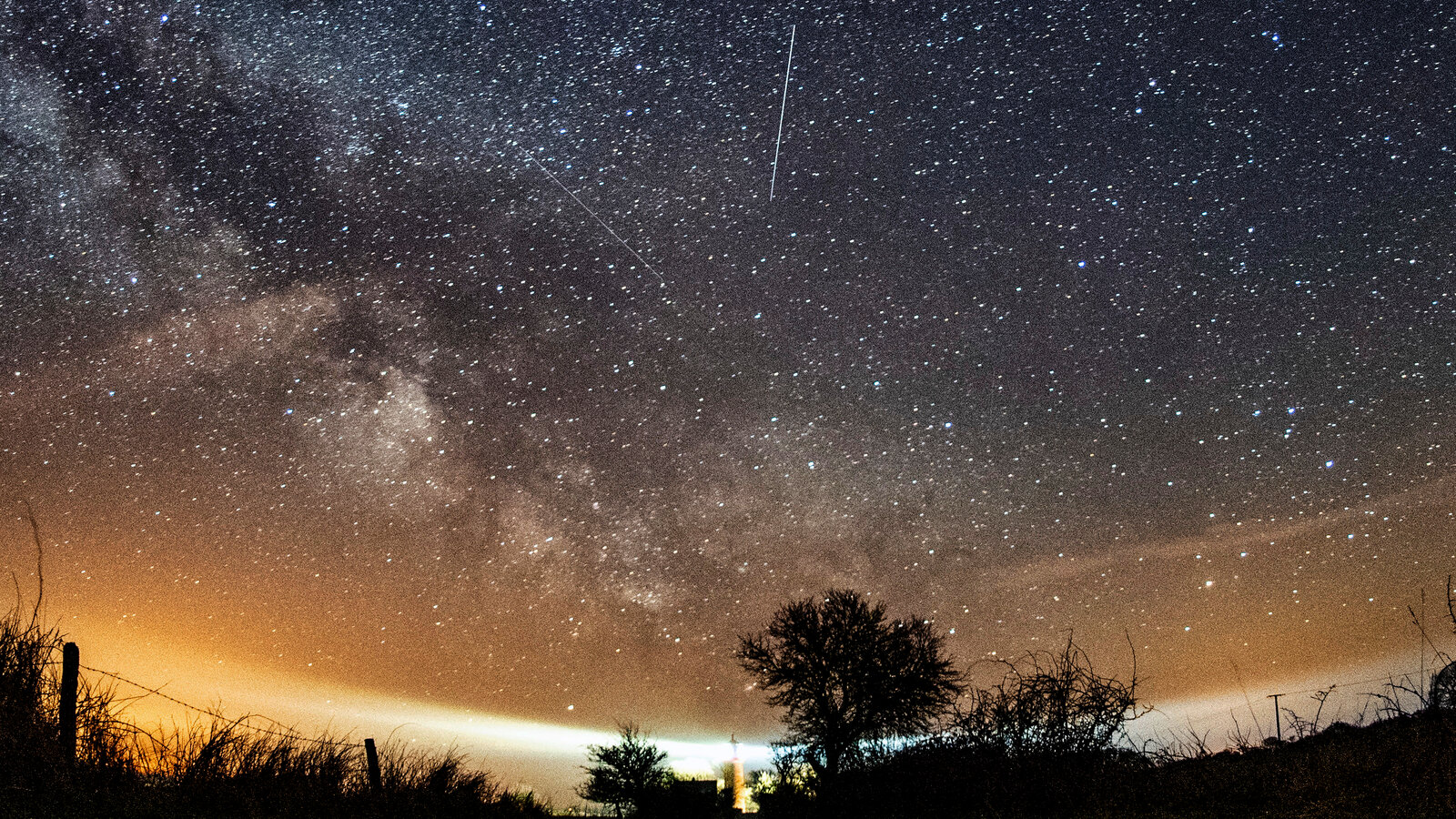
The highly anticipated Lyrid meteor shower is almost here, and skywatchers are in for a spectacular show. Every year, the Lyrids light up the night sky with their fast-moving meteors, which radiate from the Lyra constellation, close to the bright star Vega. These meteors streak across the sky at impressive speeds, and the best part is that you don’t need a telescope to enjoy the show—simply step outside, and the meteors are visible to the naked eye. This is one of the oldest meteor showers on record, having been documented for over 2,700 years, and it’s expected to deliver bursts of up to 100 meteors per hour.

So, what causes these dazzling meteors? The Lyrids are formed from the debris left behind by Comet Thatcher (C/1861 G1), which orbits the Sun every 415 years. As Earth passes through this dust trail, the particles enter our atmosphere at high speeds, creating the brilliant streaks we see as meteors. While the Lyrids aren’t known for being the brightest meteor shower of the year, they still offer a breathtaking spectacle for those who take the time to watch.

The Lyrids will be visible between April 15 and April 29, but the peak of the meteor shower is expected on the morning of April 22. The best time to observe the meteors will be between 3:00 a.m. and 5:00 a.m., just before the break of dawn when the sky is darkest. For the optimal viewing experience, escape the city’s bright lights and head to a rural area, such as a park, mountain, or coastal trail. Not only will the view be much clearer, but the experience will also be more serene and awe-inspiring.

To make the most of your meteor-watching experience, give your eyes at least half an hour to adjust to the darkness. It’s also helpful to use red light to preserve your night vision. If you’re planning to head out, be sure to inform someone about your whereabouts for safety. And if you can, bring friends along to share in the excitement. With a little preparation, you’ll be ready to witness one of nature’s most magical events.