Yazılar

Taiwan Mobilizes Troops and Prepares for Storm Surge as Powerful Typhoon Krathon Approaches

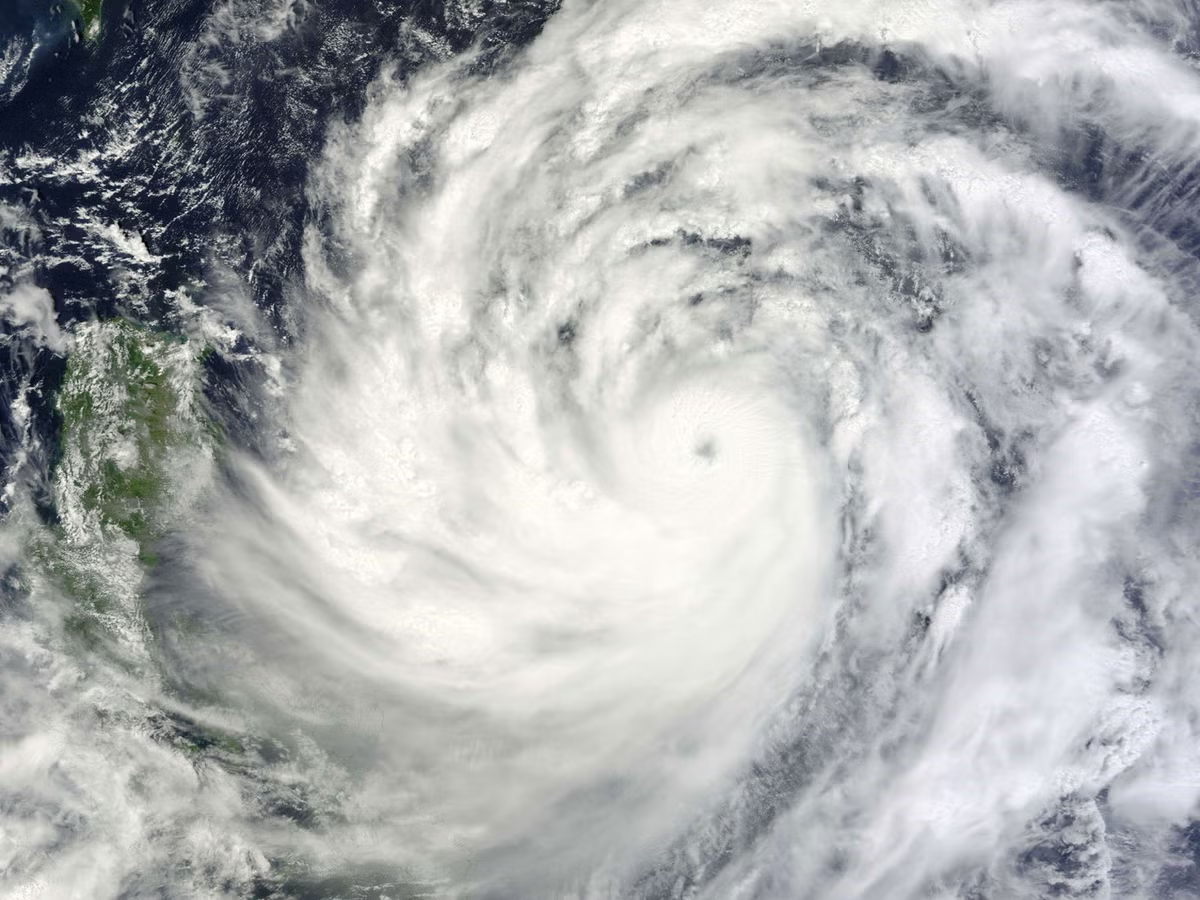
On Tuesday, Taiwan took extensive precautions ahead of the powerful Typhoon Krathon, mobilizing nearly 40,000 troops to support rescue efforts as the storm threatens to bring a significant storm surge along the island’s southwestern coast. The coast guard is also engaged in a search for 19 sailors who abandoned a sinking ship off Taiwan’s southeast coast.

Although Taiwan regularly experiences typhoons, Krathon is expected to make landfall on the more densely populated western plains, rather than the typical mountainous east coast. The typhoon is forecast to strike Kaohsiung, a major port city of 2.7 million people, on Wednesday afternoon before moving northeast across the island and heading out to the East China Sea. The U.S. Navy’s Joint Typhoon Warning Center has classified Krathon as a super typhoon.

Kaohsiung authorities have declared a public holiday, advising residents to stay indoors as the storm approaches with gusts exceeding 150 kph (93 mph). Taiwan’s Central Weather Administration (CWA) warns that heavy rains could cause severe flooding in coastal areas due to an anticipated storm surge and difficulty in discharging water.

Kaohsiung Mayor Chen Chi-mai compared the storm’s intensity to 1977’s Typhoon Thelma, which killed 37 people and devastated the city. The mayor urged residents to remain indoors and prepare for the worst-case scenario. “After the typhoon, the whole of Kaohsiung was without water and electricity, just like a war,” Chen said, recalling Thelma’s destruction.

As the city braces for the storm, fisherman Chen Ming-huang has been securing his boat in the harbor, fearing it could drift away if ropes snap under the storm’s pressure. Other residents are making preparations, such as practicing the rapid installation of metal barriers to prevent flooding in underground parking lots. “We will have only a few minutes to react if the flooding is coming,” said Chiu Yun-ping, a building committee member.

Taiwan’s defense ministry has placed over 38,000 troops on standby for rescue and recovery operations. Meanwhile, off the coast, the coast guard is racing to rescue 19 sailors from the cargo vessel Blue Lagoon, which was forced to abandon ship after water flooded its engine room. The crew, consisting of Ukrainians, Egyptians, and Russians, had set sail from China for Singapore.

The typhoon has also disrupted transportation across Taiwan, with domestic and international flights grounded, boats to outlying islands canceled, and some rail lines closed. In the city, most businesses have shuttered, and streets are largely deserted as residents hunker down for the storm.

Technology giant TSMC, which operates a large factory in nearby Tainan, has enacted its standard typhoon preparations and does not expect significant disruptions to its operations. However, residents near the Kaohsiung harbor are making their own emergency plans. “It’s a strong typhoon, and we are worried,” said local resident Chen Mei-ling, who has stocked up on torches and emergency food supplies.

North Carolina Launches Massive Rescue Operation After Tropical Storm Helene’s Devastation

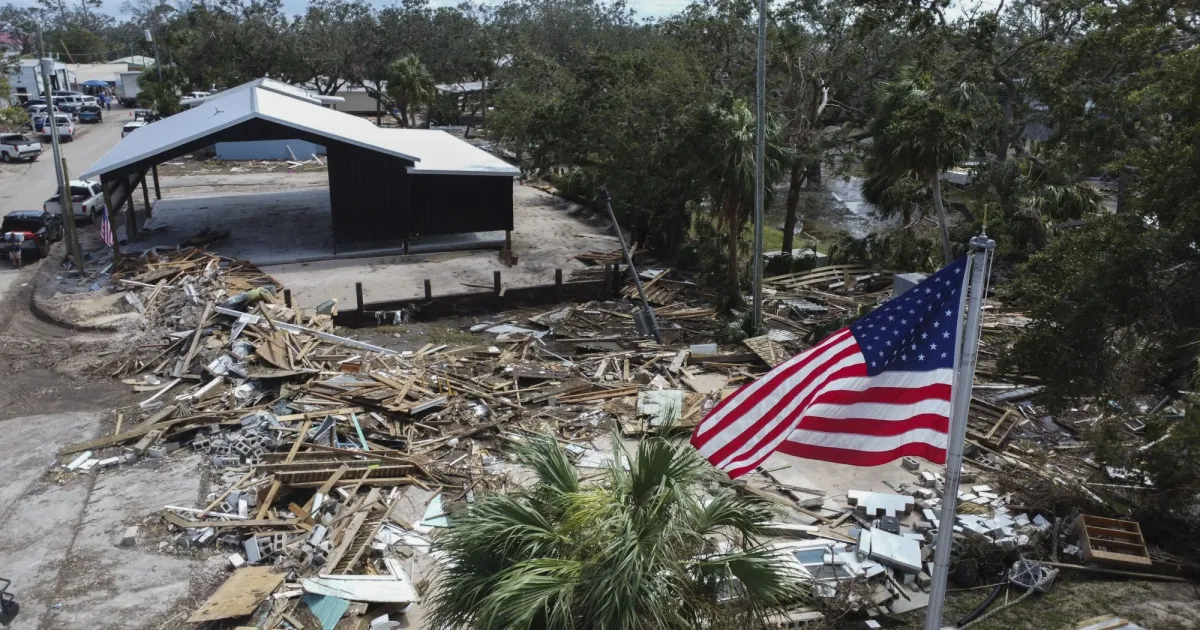
In the aftermath of tropical storm Helene, North Carolina has initiated a large-scale search and rescue effort, delivering emergency supplies to isolated communities left devastated by the storm. What began as a hurricane battering Florida’s Gulf coast evolved into a destructive force across the southeastern U.S., cutting off remote areas and leaving hundreds of people unaccounted for, with many feared dead.

The storm has claimed more than 100 lives across six states—North Carolina, South Carolina, Georgia, Florida, Tennessee, and Virginia. Rescue teams are working to access cut-off towns, with the death toll expected to rise once isolated areas are reached. Roads remain blocked, and nearly 7,000 people have registered for federal aid. The U.S. National Guard is airlifting 1,000 tons of food and water to affected areas.

One of the worst-hit regions is the small town of Bat Cave in western North Carolina, where the Broad River overflowed, destroying homes and severing infrastructure. Residents described the area as “post-apocalyptic,” with one local, Aaron Smith, recounting how his home was reduced to rubble. Private helicopters were initially waved off from landing due to the unstable condition of the town’s bridge.

Nearby, the village of Chimney Rock was also destroyed by the storm, with debris and wreckage filling Lake Lure downstream. In Charlotte, City Councilman Tariq Bokhari shared footage of the devastation at Lake Lure, describing the scene as overwhelming and “beyond belief.”

State and federal recovery efforts are in full swing, with 1.8 million homes still without power. Georgia Governor Brian Kemp confirmed the loss of 25 lives in his state, while South Carolina reported at least 29 fatalities. North Carolina Governor Roy Cooper, after an aerial tour of the damage, said that significant resources would be needed for recovery and praised the ongoing work of search and rescue teams.

FEMA Administrator Deanne Criswell noted that 3,000 federal personnel are deployed across the region to assist in relief efforts. President Joe Biden, attributing the scale of destruction to climate change, vowed that the federal government would not leave until recovery is complete and may call a special session of Congress to pass additional aid funding.

Russian Helicopter with 22 on Board Goes Missing Near Kamchatka Volcano

A Russian Mi-8T helicopter carrying 22 people, including 19 passengers and three crew members, has gone missing near the Vachkazhets volcano in Russia’s Far East Kamchatka peninsula. According to Kamchatka Krai governor Vladimir Solodov, the helicopter disappeared during a flight from the volcano region to the village of Nikolaevka on Saturday.

Adverse weather conditions, including low visibility, fog, and drizzle, were reported at the time of the flight, though the crew did not report any technical malfunctions before contact was lost. Russian state media TASS noted that the helicopter was flying over the Bystraya River valley when it vanished from radar.

Following the incident, search and rescue operations were swiftly launched, with another helicopter scanning the last known location of the missing aircraft. Ground teams were also dispatched to comb the area, particularly focusing on the Bystraya River valley. Despite poor weather and nighttime conditions, the search effort continued into Saturday evening.

Kamchatka’s investigative transport department has opened an inquiry into possible violations of aviation safety protocols, as officials work to determine the cause of the disappearance.